WHEN Joanna Sharpe speaks about helping others, she often goes back to a simple lesson her mother taught her growing up.
“My mum always said when you come up, don’t forget those behind you — those who are struggling,” she says.
It is a lesson that has shaped her family’s approach to philanthropy and community work — a belief that success means little if it does not uplift others along the way.
For her, the inspiration to support vulnerable women and children is deeply personal. Beyond her upbringing, she says her husband and daughter have also played a role in reinforcing that commitment.
“We support orphans and vulnerable children. Our belief is simple — we never leave anyone behind,” she says.
A shared mission
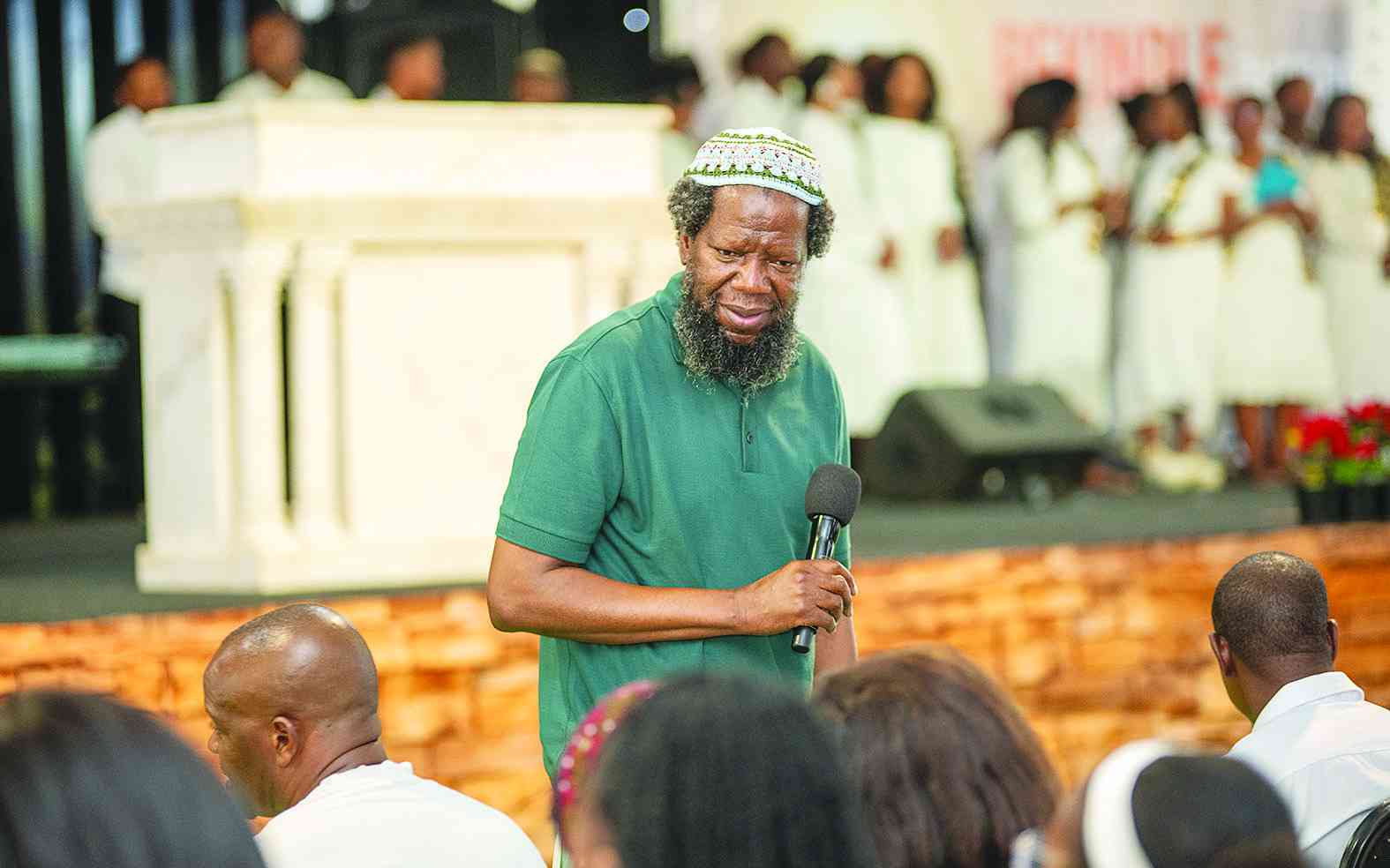
The businesswoman this week bankrolled a women’s empowerment gathering that brought together more than 400 women, many of them entrepreneurs, widows, single mothers and rural business owners seeking opportunities to improve their livelihoods.
The event highlighted a growing movement to empower women economically through training, mentorship and access to business networks.
Across Zimbabwe and the wider region, partnerships between philanthropists, regional organisations and businesses are increasingly focusing on helping women overcome barriers such as limited access to finance, lack of business training and exclusion from export markets.
The goal is to move beyond charity toward sustainable economic empowerment.
For Edna Mukurazhizha, the chairperson of the Comesa Federation of Women in Business Zimbabwe Chapter, the empowerment of women is not just a social cause — it is an economic necessity.
Through Comesa, she says efforts are underway to create a database of five million entrepreneurs across the bloc’s 21 member States.
The initiative aims to connect women-led businesses to regional markets and opportunities.
“We want women to think beyond local markets and consider exporting their products,” said Mukurazhizha, who is also the CEO of Empowered Woman Excel, a savings and credit co-operative bank.
Yet she acknowledges that many women face deep structural challenges.
“Even a woman with a title deed can struggle to access a bank loan,” she says.
“That is why training programmes are equally important. These initiatives focus on helping women develop business proposals, understand compliance requirements, and build confidence as entrepreneurs.”
One woman at the event asked about opportunities in place for former inmates.
Mukurazhizha said such stories highlight why empowerment programmes must start with restoring self-belief.
“We begin by empowering women to believe in themselves,” she said.
Lessons across continents
The gathering also drew international interest.
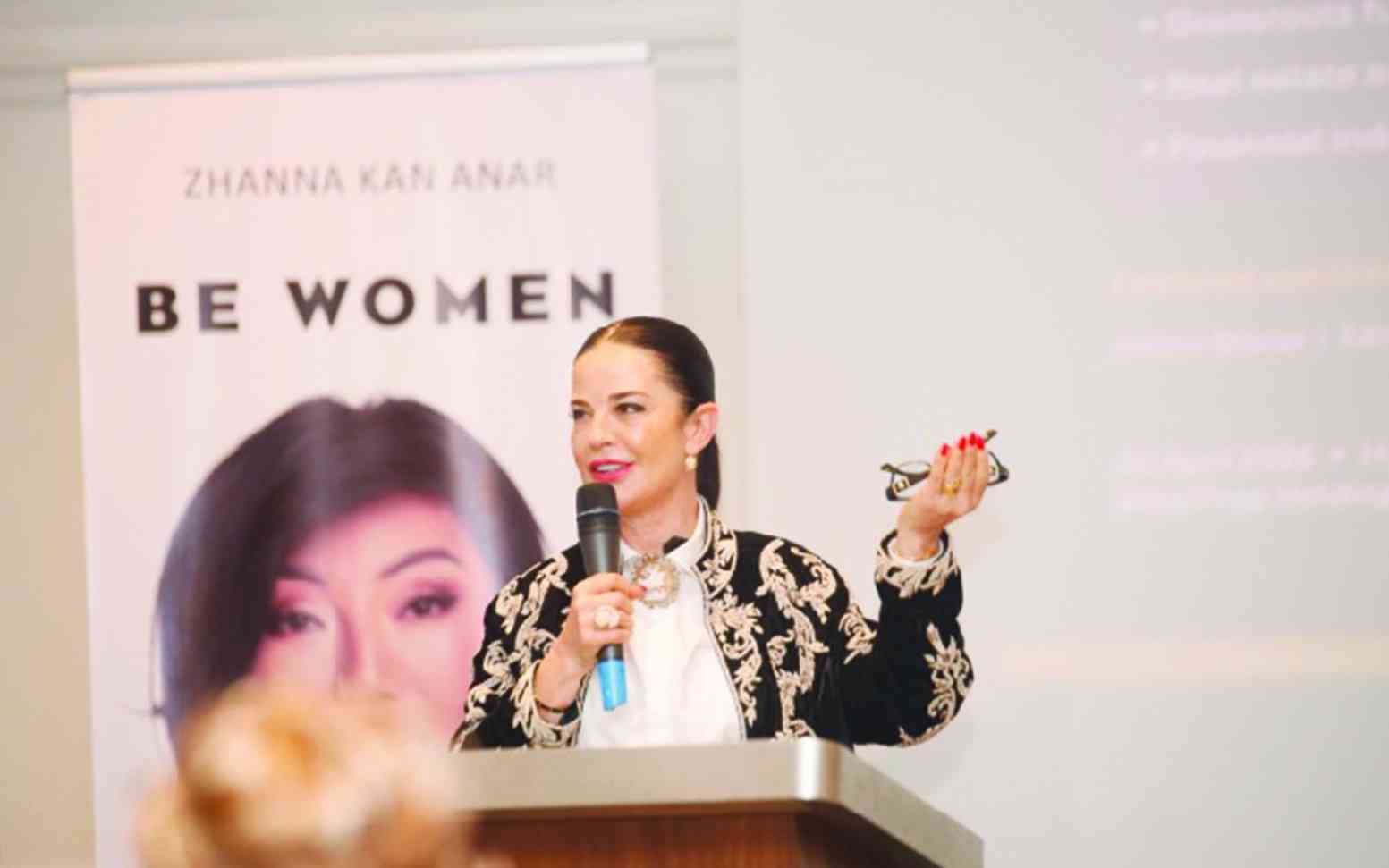
Kazakhstani businesswoman Zhanna Kan, who was the guest of honour at the event, said similar efforts to empower women and protect vulnerable families are taking place in other parts of the world.
“The geography may be different, the economies may be different, but the need to empower women is the same,” she says.
Kan highlighted opportunities for collaboration between countries that share similar development goals.
A home for second chances
For businessman Ken Sharpe, a visit to Kazakhstan two years ago planted the seed for a project that is now changing lives in Zimbabwe.
There he encountered a programme called “Mother’s House,” designed to support pregnant teenagers who might otherwise feel forced to give up their babies or resort to unsafe abortions.
Inspired by the idea, he helped establish a similar initiative in Chitungwiza.
Now in its third year, the project provides a safe place for young mothers to stay while they prepare to raise their children.
“We saw how effective the programme was and decided to replicate it here,” the businessman said.
Plans are already underway to open a second facility, with the property magnate encouraging businesses and communities to adopt the model.
Kan, who is the patron of the Kazakhstani project that takes care of women, says the programme has attracted international recognition, even being studied by researchers at Harvard University.
“It’s not only about helping single mothers,” she says.
“It’s about protecting children and strengthening communities.”
Investing in people
Beyond individual projects, Ken Sharpe says his company, WestProp Holdings, has embedded social responsibility into its business model.
The company allocates 10% of its profits to corporate social responsibility initiatives supporting orphans, widows and vulnerable families. The philanthropic investment, he says, now runs into millions of dollars.
But for the family, charity alone is not the answer.
“Our philosophy is not just to give charity,” he says.
“We want to create impact investments — social enterprises that create jobs and sustainable opportunities for communities.”
For many of the women who attended the empowerment event, that vision offers something powerful: not just assistance, but the possibility of building their own future.