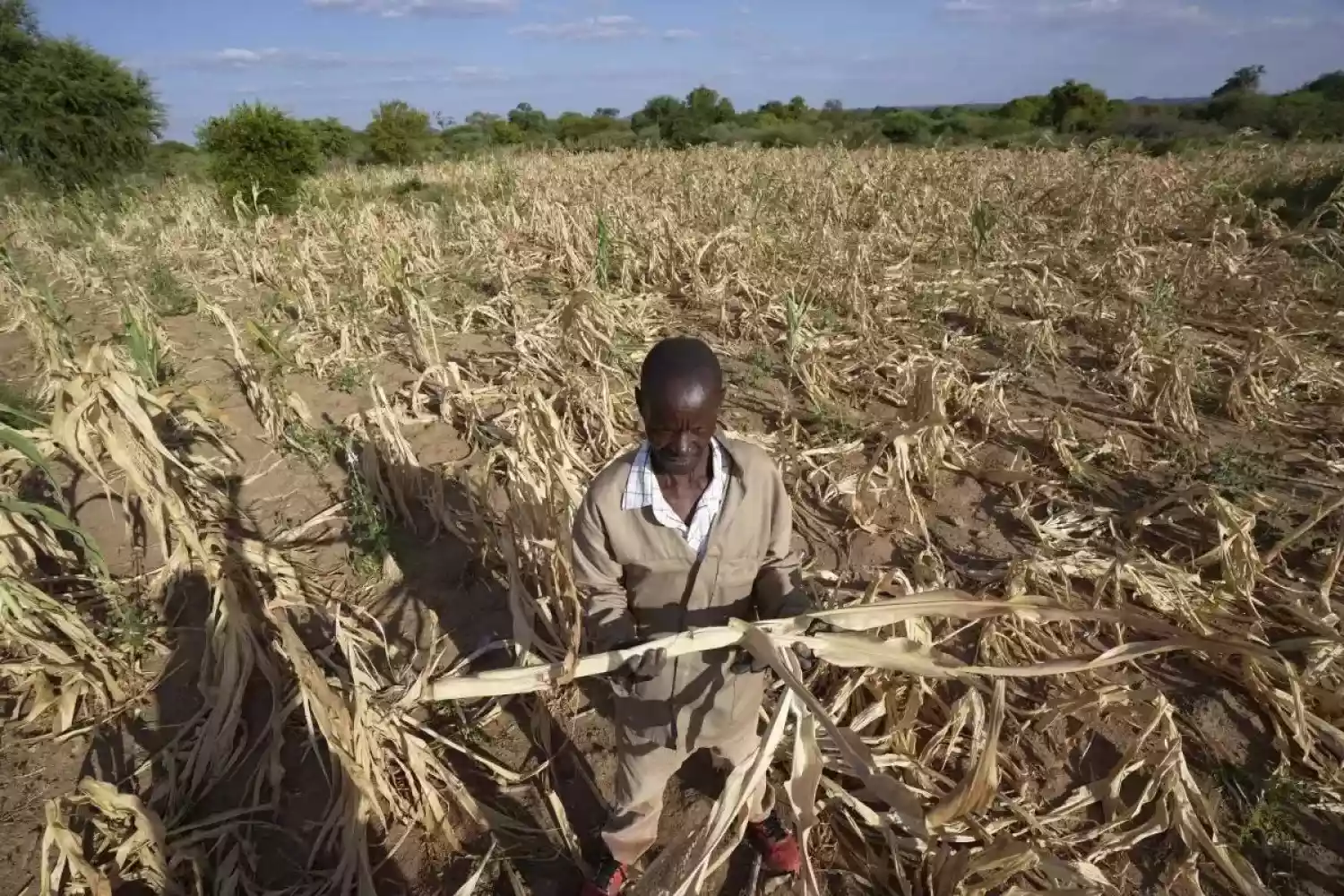
Nine out of 10 Zimbabweans say climate change is making life in the country worse, a new report reveals, underscoring the urgent need for government action.
The latest Afrobarometer survey shows that worsening droughts, crop failures, and shifting weather patterns are increasingly affecting livelihoods, with nearly half of citizens attributing the crisis to human activity. As Zimbabwe grapples with recurrent climate shocks, public support is growing for robust policy responses, including climate-resilient infrastructure, renewable energy investments, and stronger environmental regulations.
Since 2021, Zimbabwe has suffered two severe droughts—the 2021/22 and 2023/24 seasons—contributing to the country’s lowest economic growth in 2024, estimated at 2%. Historically rare, droughts now strike roughly every two to four years, compared with once a decade in the mid-20th century.
“Among those who are aware of climate change: A huge majority (93%) say it is making life in Zimbabwe worse, up from 62% in 2021,” Afrobarometer said in its latest survey findings on climate change in Zimbabwe.
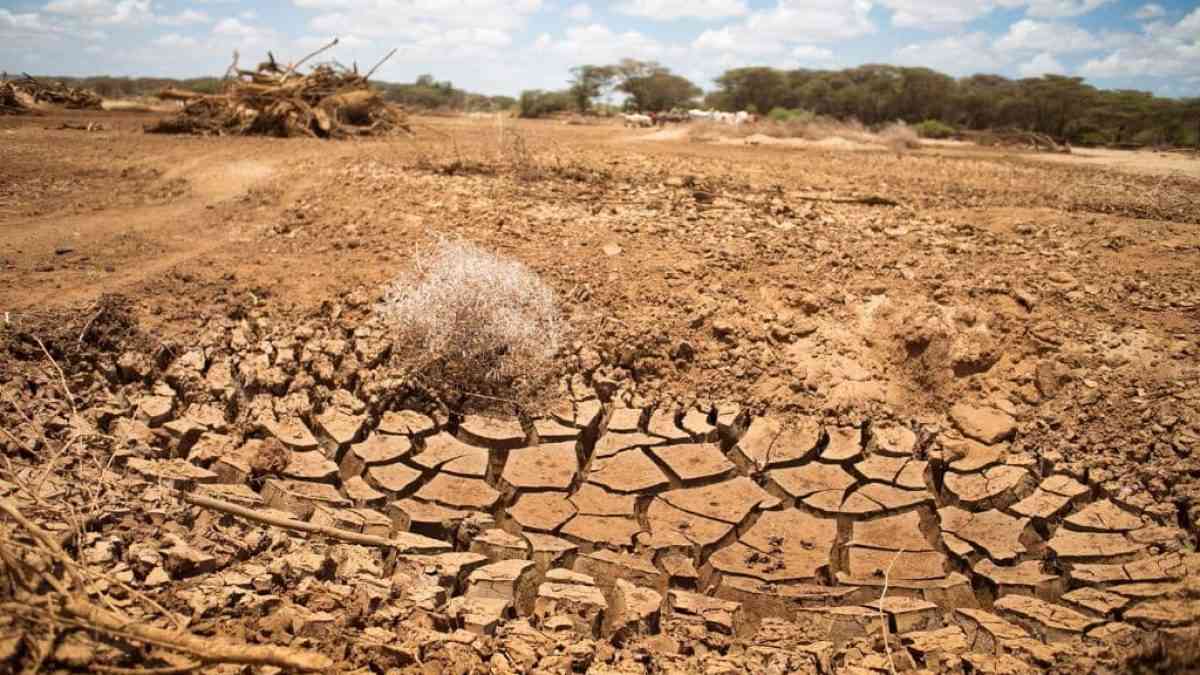
Nearly half (48%) blame human activity, while 18% cite a combination of human and natural causes. Six in 10 citizens (60%) stress that government action is essential, even if costly or disruptive to employment.
The survey found that one in 10 Zimbabweans has relocated due to climate impacts.
An overwhelming majority (95%) of Zimbabweans say that crop failure has become “somewhat more severe” or “much more severe” in their region over the past 10 years, while a similar proportion (94%) say the same about droughts,” Afrobarometer said.
Afrobarometer noted that the trend analysis reveals a stark increase in reports of worsening droughts, nearly tripling to 94% in 2024 from 33% in 2017.
- COP26 a washout? Don’t lose hope – here’s why
- Out & about: Bright sheds light on Vic Falls Carnival
- COP26 a washout? Don’t lose hope – here’s why
- Out & about: Bright sheds light on Vic Falls Carnival
Keep Reading
“Vast majorities of Zimbabweans say that crop failure (95%) and droughts (94%) have become ‘somewhat more severe’ or ‘much more severe’ in their region over the past decade, while 61% say floods have become less intense,” Afrobarometer said.
Asked whether they have had to adapt to changing weather patterns, more than one-third of respondents say they reduced their water consumption or altered their water source (45%), adjusted their outdoor work patterns (41%), reduced their livestock holdings or changed grazing patterns (37% of those who have livestock), and changed the types of crops they plant or foods they eat (35%).
This strategy to change water consumption is more common among rural residents (51%) than urbanites (38%), while with outdoor work patterns, rural residents are far more likely than their urban counterparts to report changes, 46% versus 34%, respectively.
These climate change effects are happening when the agriculture sector is one of two main economic drivers, with the other being mining.
In terms of solutions, most citizens expressed support for possible policy responses to changes in climate.
These include Climate-resilient infrastructure (80%), investing in renewable energy technologies (76%), and putting pressure on developed countries for aid (69%).
More than half also favour requiring cookstoves that use cleaner fuels (60%) and banning tree cutting for firewood or charcoal (54%).
Zimbabwe gazetted the Climate Change Management Bill in September 2025 to strengthen its climate response. If enacted, the law would establish a national climate fund, support adaptation and mitigation projects, assign duties to sub-national authorities, create monitoring units, and introduce green financial incentives.