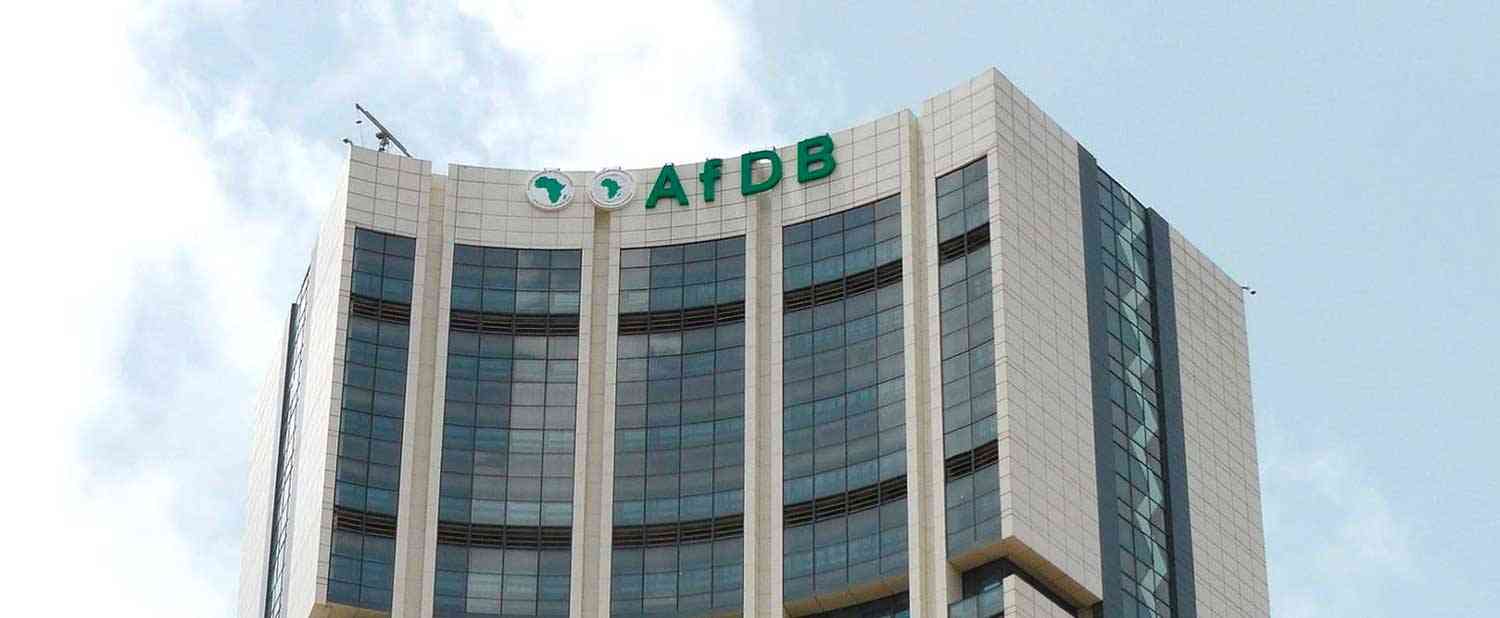
THE African Development Bank (AfDB) has projected the economy to grow by 4% in 2026, down from 6% this year, owing to inflationary and exchange rate pressures.
AfDB, the International Monetary Fund (IMF), and the World Bank have projected Zimbabwe’s gross domestic product (GDP) to grow by 6% this year, backed by recoveries in the agricultural and mining sectors on the back of better rains and a global commodity price boom, respectively.
The government was more optimistic, predicting growth of 6,6% for the year, bolstered by record crop output and global gold prices that have soared by over 40%.
During the IMF/World Bank 2025 Annual Meetings held last week in the United States from October 13 to 18, however, both Bretton Woods institutions projected Zimbabwe’s GDP to slow to 4,6% next year.
This is based on sustained forex and inflationary pressures.
“Zimbabwe’s GDP contracted by 2% in 2024 following drought-induced agricultural losses. Growth is projected to rebound sharply to 6% in 2025 before slowing to 4% in 2026, supported by the recovery of the agriculture sector in 2025,” AfDB said in its latest economic update.
“Zimbabwe’s inflation remained exceptionally high at 55,7% in 2024, with chronic currency instability eroding purchasing power. Inflation is projected to fall sharply but remain incomplete, reaching 23,6% in 2025 and 9,6% in 2026.”
Despite authorities touting the Zimbabwe Gold currency as being stable, the Bretton Woods institutions said the domestic currency recorded the annual inflation rate at 736,1% last year, showing increased volatility.
- Renault hands Russian assets to Moscow
- ‘Inflation could shoot to 700% by April next year’
- New perspectives: Inflation control critical for economic growth
- Inflation spike: Why interest rates aren’t the answer
Keep Reading
Zimbabwe’s inflation rate is typically linked to the volatility of the local currency against major foreign currencies, reflecting underlying weaknesses in monetary stability and market confidence.
The IMF and World Bank project Zimbabwe’s annual inflation rate to end the year at 89%, before decelerating to 18,2% by the end of 2026.
Regarding the fiscal deficit, AfDB said Zimbabwe narrowed its fiscal deficit to 1,2% in 2024, which is projected to improve further to -0,9% in 2025 and -0,6% in 2026.
The bank said this reflected fiscal consolidation and stronger revenue mobilisation, with the Treasury expecting revenue of US$8 billion this year, backed by an aggressive revenue collection campaign.
Local firms have raised concerns over multiple taxes, saying this was threatening their operations.
AfDB said external balances are expected to moderate next year.
“Zimbabwe is projected to record a surplus of 1,5% in 2024, supported by remittances. This is expected to improve to 2% in 2025 before moderating to 1,3% in 2026,” the pan African lender said.
Another hindrance to Zimbabwe’s growth is debt, with the Treasury recording it at US$22,6 billion as of June, comprising an external debt stock of US$13,7 billion and a domestic debt stock amounting to US$8,8 billion.
However, the World Bank is projecting debt to reach 64,6% of the GDP, which translates to US$33,78 billion for the year based on the Treasury’s economic valuation of US$52,3 billion. According to the World Bank, debt will lower to 59% of GDP, or US$30,85 billion, next year.
For the IMF, debt is expected to end the year at US$23,53 billion, tapering off to US$21,75 billion in 2026.