EMPLOYERS have highlighted the urgent need for Zimbabwe to establish a comprehensive disaster response plan and baseline for future challenges, particularly for financial crises.
The country has experienced numerous disasters that it has struggled to manage effectively, leading to prolonged suffering among its citizens.
This unpreparedness stems from the lack of a robust response strategy.
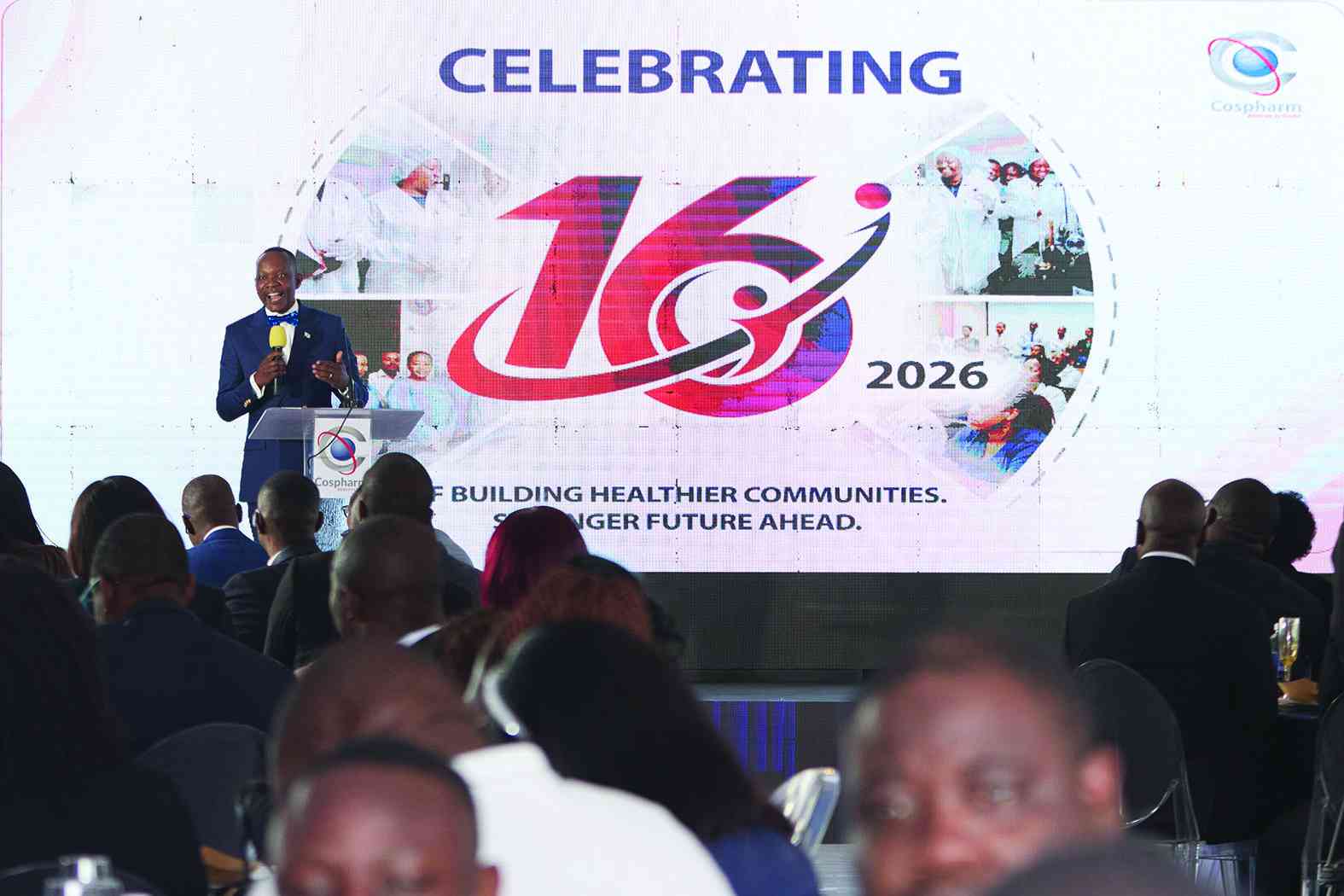
During the Employers Confederation of Zimbabwe 43rd annual congress and annual general meeting held last week, Schweppes Zimbabwe human resources director Phil Chitagu emphasised the implications of the country’s unpreparedness on future development.
The congress was held under the theme Social Dialogue for Economic and Social Transformation.
“Between 2000 and 2008, Zimbabwe’s infrastructure was severely damaged, with pensions being completely wiped out,” Chitagu said.
“As we work towards 2030, we must consider what might happen to pensions; this is a discussion we need to have, as failure to do so could lead to another crisis.”
He argued that transparency and inclusivity are vital for social stability.
- Restrictive SIs rile business
- ‘Zim situation always dynamic’
- Regional industrialists invade Zim market for USD
- Business, labour sign bipartite memorandum amid TNF anxiety
Keep Reading
He called for policy reforms, civil society engagement, and international cooperation to navigate the challenges posed by the global financial landscape.
Recently, the government allocated US$25 million for disbursement to qualifying pensioners for pre-2009 compensation, resulting in 35 538 beneficiaries being compensated.
This commitment follows the government to set aside US$175 million to compensate pensioners and insurance policyholders for losses incurred during the transition to a multi-currency system in 2009.
As Zimbabwe moves towards a mono-currency system, fears linger about the protection of public wealth, reminiscent of past economic collapses.
Zimbabwe Federation of Trade Unions secretary-general Kenias Shamhuyarira stressed the necessity of establishing a national currency that can compete in global markets.
He insisted that a clear roadmap is essential to safeguard people’s wealth.
“We need our own currency that can compete with the US dollar at market rates. We can’t remain reliant on the US dollar, which hinders our ability to diversify,” Shamhuyarira said.
“It should be transparent how one can acquire all this wealth and what the government gets from this because there are obligations — we must pay tax and everything — but if you look at these mbingas, these super elites, they have massive accumulations of wealth that is not accounted for, and it does not benefit the national fiscus.
“We can’t go anywhere with this because government has to build pension funds from tax revenue and when we are not having that we cannot have validation of our own currency.”
Furthermore, he pointed out that reliance on foreign currency limits national financial autonomy, especially in uncertain global climates.
He noted that the issue with the US dollar is its tendency to be siphoned out of the country, exacerbating the financial strain on the government, as many elites evade taxes.
“Remember, with USD, they can siphon it out of the country and it can’t be audited because it’s not our own money, but when it’s our money, they have to go through our systems. So this is a gap that needs to be tackled first and foremost,” Shamuyarira said.
“We should start with lifestyle audits starting from the head of State, ministers, trade unionists and everyone else, and this will lead us somewhere as a country.”
He said lifestyle audits across all levels of leadership were necessary.