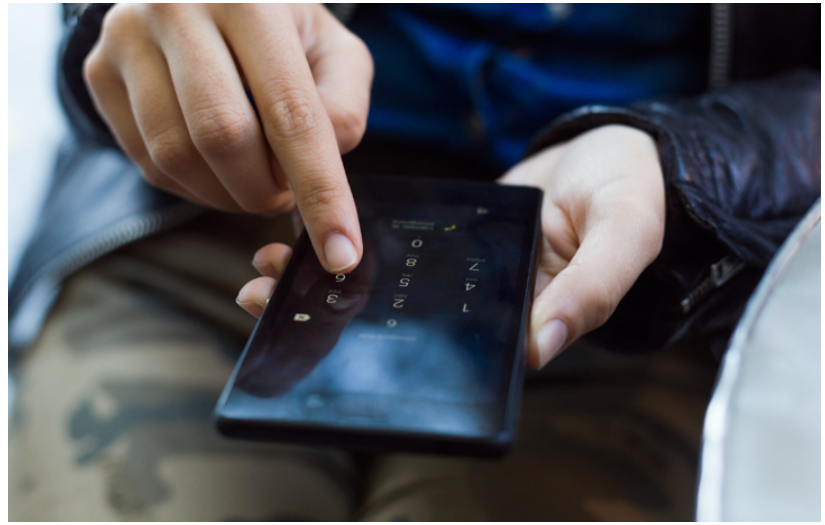
Virtual numbers are already part of everyday life for most people, often without their noticing. A virtual phone number is a real number you can dial. It isn’t linked to a physical SIM or one device. The owner chooses where calls and texts go. The tools that help big support desks are now affordable for individuals. This is why someone serving clients nearby often sets up a Mexico virtual number by eSIM Plus. They can get a call directly on the phone they already have. The uses extend in all directions, covering business and personal privacy. This guide explains how the technology works and when it’s valuable.
The ride-hailing driver calls from a local number that’s not his. The courier changes their number with each delivery. The support agent answers from a local line while the company is on another continent. None of those run on a SIM card inside a single phone. They run on numbers that exist in software, and that software is what makes the whole thing flexible.
How a virtual number works
A standard mobile number is bound to a SIM, which sits in one handset. Removing the SIM moves the number with it. That has been the basic model of mobile telephony for decades.
A virtual number removes that link. The provider holds the number and forwards anything that arrives to a destination the user sets. That destination can be a mobile app, a softphone on a laptop, an existing mobile number, or a complete call system with menus and extensions. The number rings one device today and another tomorrow, without a SIM swap or a new contract.
The routing is the practical advantage. Calls during the day can go to one person, and calls at night to another. Text messages can land in a web dashboard instead of a phone. A single number can be shared by several people, and one person can hold numbers from several countries on the same handset. Calls often go over the internet instead of the usual phone network. So, a number from one country can ring a phone in another without any roaming charges. That mechanism sits behind most of the uses described below.
The main types of virtual numbers
The term «virtual number» covers several different products, and they are not interchangeable. Choosing the wrong one tends to cause problems quickly, so it helps to know the categories before buying. The common types are these:
- Private sector makes inroads into wheat production
- Private sector makes inroads into wheat production
- Arbitration insights: Arbitrability in international commercial arbitration
- Arbitration insights: Arbitrability in international commercial arbitration
Keep Reading
- Local geographic numbers, tied to a city or area code, used to appear local to a specific region.
- National and toll-free numbers, such as 0800 lines, which read as a company support line.
- Mobile virtual numbers that can send and receive SMS, suited to sign-ups and verification codes.
- Disposable numbers, kept for a single task and then discarded.
- Ported numbers, where an existing line is moved into a virtual setup and retained.
Mixing these up is the usual mistake. A toll-free line is poor at receiving SMS codes, and a disposable number is a weak foundation for a business. The sensible step is to decide what the number is for and then buy that specific type, rather than the cheapest option listed.
Where virtual numbers are actually used
The reasons split into three broad groups: business, personal, and practical. In real life, they overlap. In business, the main value is appearing local in a market where the company has no physical office. A firm can sell in a country where it doesn’t operate. It can still provide a local phone number. This small detail makes cold calls feel more familiar, and landing pages seem more trustworthy.
Freelancers and small teams often use this. It helps them respond like locals, without needing a second phone, a travel SIM, or a trip abroad. The same approach works in reverse for a person who has emigrated but wants to keep a home-country line active for a bank or older contacts.
On the personal side, the appeal is separation and privacy. A second number keeps work off a private line and gives the owner something to share on marketplaces or dating apps without exposing the real one. It also absorbs spam: any number posted publicly attracts unwanted contact, and a virtual number can be replaced while the real one stays clean.
The practical reasons are more varied. Travelers use virtual numbers to avoid roaming fees. People running several side projects keep one number per project so contacts do not get tangled. Anyone who has lost access to an account because the verification SMS went to a discarded SIM tends to value a number that survives a change of carrier.
What to check before buying
Providers differ in what they support, and the gaps are not obvious until the number is already active. A brief review beforehand avoids most common disappointments. The points worth confirming are these:
- SMS support, since many numbers cannot receive verification codes even though they handle calls.
- Country and city coverage, including the exact area code where it matters.
- Routing options, to make sure calls forward to the chosen app or device rather than only the provider’s.
- Ownership terms, meaning whether the number is kept long-term or recycled after a missed payment.
- Full pricing, including per-minute, per-message, and setup charges hidden under the headline rate.
Pricing is where most buyers are caught off guard. A low monthly fee can hide extra charges. Once you use the service regularly, per-message or per-minute costs may go over the base rate. Reading the complete tariff, rather than the headline figure, prevents that surprise.
What it costs
Cost is the straightforward part. In most countries, a basic virtual number runs between roughly two and fifteen dollars a month, depending on the country and whether it handles SMS. Toll-free and premium-country numbers cost more. Measured against a second SIM, a roaming plan, or the disadvantage of looking foreign to an entire market, the figure is small.
The cost that is easy to overlook is usage. Outbound calls and bulk SMS are normally billed on top of the monthly fee, so a cheap number can become expensive to operate under heavy use. For receiving calls and the occasional text, the monthly fee is usually the whole expense.
Privacy, and its limits
A virtual number is a privacy tool, though not a guarantee of anonymity. The difference is worth stating clearly. It keeps a real line out of public listings and away from strangers, which reduces spam and limits what a casual contact can find out. For many users, the benefit alone justifies the cost.
The limits are equally important. A virtual number does not hide the user from the provider, and it does not place anyone above the rules. Using one to bypass verification that a person is not entitled to, or to harass someone, generally ends with the number being cut off. Some banks and services also refuse virtual numbers during security checks, so a normal line should be kept for anything that requires it. Used as a privacy layer rather than a disguise, it does its job well.
Mistakes that catch people out
A small set of errors appears repeatedly, and nearly all of them cost nothing to avoid once they are known. Most come down to choosing the wrong number for the task. The frequent ones are these:
- Buying a number that cannot receive SMS and then needing it for codes.
- Choosing a country or city code that does not match the intended audience.
- Allowing a number to lapse and losing the accounts linked to it.
- Forwarding calls to an app nobody monitors, so the line rings unanswered.
- Relying on a virtual number for a bank that quietly bans them.
Catching any of these early avoids a refund or a repurchase. A minute spent matching the number type to the job at the start saves the swap later.
The short version
For a single phone used for one purpose in one country, a virtual number is unnecessary, and that is a reasonable position. Once any of those conditions change, the number begins to pay for itself. Selling into a market the owner does not live in, keeping work separate from personal life, traveling without roaming charges, and handing out a number that does not need to last forever are all clean fits. The technology stopped being a business-only tool some time ago. It now sits closer to a basic utility, inexpensive enough that the only real decision left is which type matches the intended use.