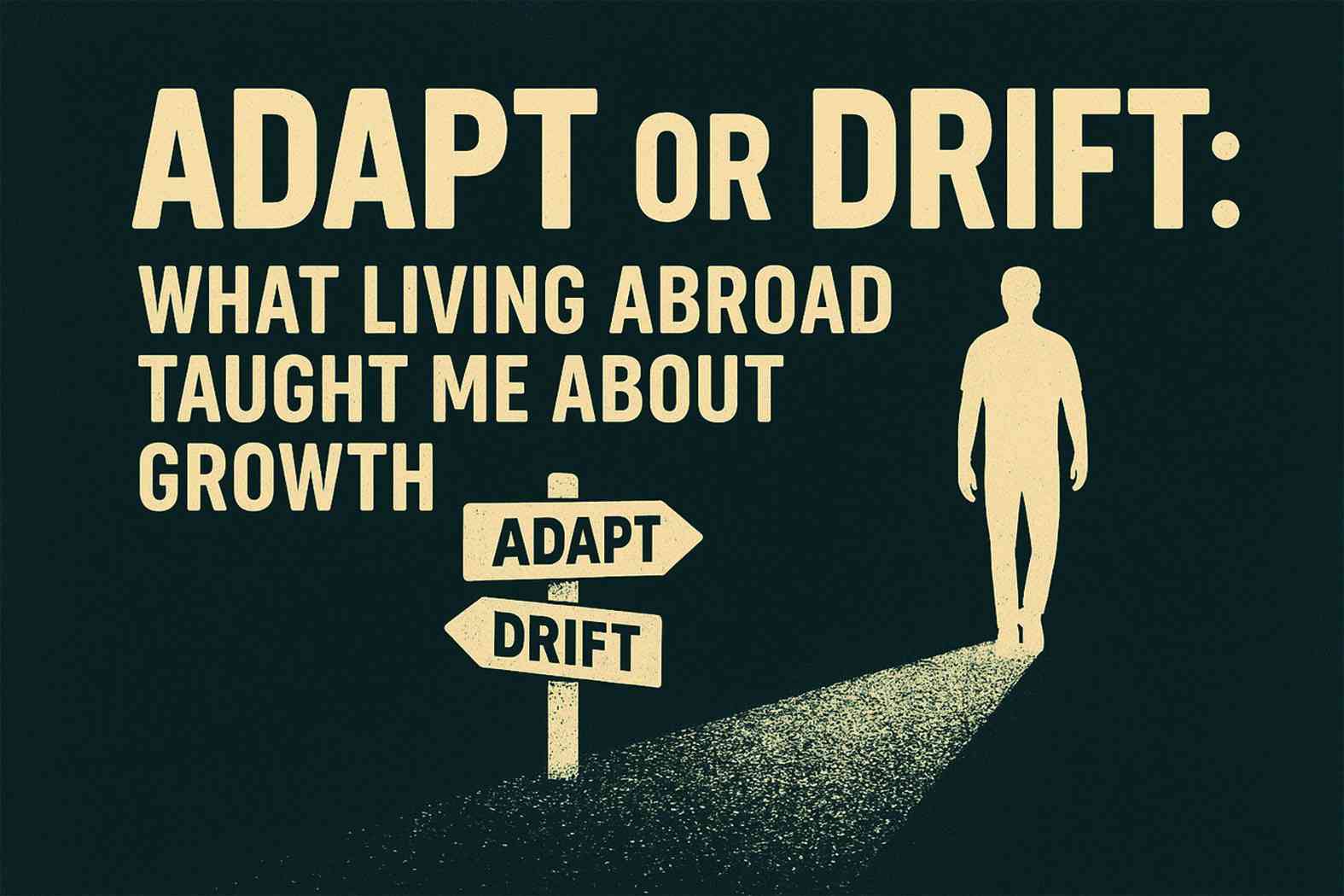
ADAPTABILITY is about the growth mindset, while the inverse is the fixed mindset.
If we do not adapt, we suffer extinction.
We learn the danger of extinction from companies that failed to innovate.
These companies include Kodak, Blockbuster (video and game company) and the Blackberry phone.
If you do not innovate, you are forgotten because you lose relevance.
The trick is staying abreast and updating the mind’s software with important information, knowledge and skill.
We should learn from how technology is revolving and constantly changing.
For example, there are two things that are important with your phone.
- Community trailblazers: Chipo Gozho: An inspiration to today’s women
- AWF empowers victims of human-wildlife conflict
- Community trailblazers: Chipo Gozho: An inspiration to today’s women
- Building narratives: Coach Emmah’s resilience pays off
Keep Reading
First, it is either you are constantly upgrading your phone to keep abreast with new software.
Or you buy the latest phone that is upgradable.
We are constantly upgrading our gadgets or updating our software, but at times, some people stop upgrading and updating their mind.
What does it take to upgrade or update our mind?
Mental agility
This takes the ability to think.
Remember, old models are getting outmoded, so you have to abandon old means of doing things and adopt new ways.
Situations are constantly shifting, and you cannot keep using old models to solve new problems.
This takes flexibility or malleability.
As I grew up in the rural areas, there is one basic thing I learnt about tall trees when it was windy.
Flexible trees bend when the wind comes.
Secondly, they bend to any direction that the pressure pushes them to.
However, there are some rigid plantations that broke against the wind.
This also points to the human mind.
If you do not bend to the winds of change, you break.
This applies to you as an individual or to the leaders of an organisation.
To bolster the above, Béliczky (2025) wrote: “In an era of technological disruption, geopolitical shifts, and evolving consumer behaviour, leadership demands more than just strategic foresight — it requires mental agility, resilience, and the courage to make decisions without all the answers.
“By adopting the right frameworks and mindsets, business leaders can transform uncertainty from a challenge into a competitive advantage.
“Highly effective leaders are those who don’t just withstand volatility, they turn it into an opportunity for growth, innovation, and lasting impact.”
I usually say, for someone to learn fast they should be like a child.
It is easy for a child to pick any language from their immediate environment.
A child can easily pick immediate vibrations and mimic those.
Intentional learning
One important skill is to actively learn, seek new skills and knowledge.
This keeps your head above the water and gives you a competitive advantage over most people.
The Harvard Business Review (2020) aptly said: “Developing personal adaptability means approaching work with a continuous learning orientation; routinely seeking out new knowledge, skills, and experiences; and discarding outdated mental models.”
I always consider myself lucky to have seen major technological shifts from the analogue models, to digital, internet and artificial intelligence.
Every change I have seen taught me that I have to learn fast and I must be intentional.
Opportunity vs failure
In times of change, what keeps us focused and progressive is how we analyse, synthesise or see life.
In times of change some people choose to see opportunities.
Some choose to see failure.
There are some people who are prisoners of the past; this makes them believe that the best that ever was, was in the past.
Whatever comes, they see it as danger that has come to crush our historical gains.
If such a person is at the helm of any organisation, they are overprotective of their past gains.
At times, when we protect our past, we kill the future.
Fearful vs avoidant
Again, what keeps us retrogressing is our belief system, or how we interpret change.
Some people fear the future because they are not so sure what it will bring.
The error they make is to bask in the comforts of the past or current success.
By so doing, their success slips out of their hands.
Fear makes some people avoidant (dodging, shunning, turning away) of anything new or disrupting their comfort.
Parting point
Adaptability is not just a survival skill, it is the essence of progress.
Those who embrace change, update their minds, and intentionally learn will always find opportunities where others see obstacles.
The winds of change will always blow, but only the flexible, the agile, and the intentional will stand tall.
To adapt is to grow, and to grow is to remain relevant.