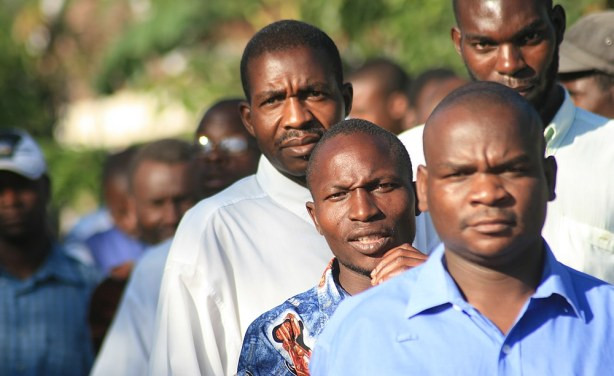
Across Europe, North America and Australia, a serious crisis continues to unfolding among African men in the diaspora. It is rarely discussed openly, often dismissed as personal failure, and rarely addressed with empathy. Yet its impact is visible in broken homes, strained marriages, emotionally withdrawn fathers and men who feel increasingly irrelevant within their own families.
At the centre of this struggle is cultural dislocation the collision between traditional African family structures and Western social systems that operate on very different values.
The collapse of familiar family structures
In many African societies, the family unit is clearly defined. Roles are understood, expectations are culturally reinforced and male identity is closely tied to provision, authority and responsibility. Migration disrupts this structure entirely.
In the diaspora, the extended family disappears. Elders who once mediated disputes are absent. Cultural norms that once stabilised households are replaced by legal systems and social frameworks that do not recognise African context. What was once a collective family becomes a bureaucratic institution governed by courts, social workers and policies unfamiliar to African men.
The result is confusion and often powerlessness.
Economic pressure and eroded masculine identity
For many diaspora African men, migration promised opportunity. Instead, it often delivers status loss. Highly respected professionals back home find themselves underemployed, driving taxis, working night shifts or navigating hostile labour markets.
- Brilliance of Hope: Echoing voices from Diaspora
- Amplified Silence earns Masapa global accolade
- Why every artiste should write a will before death
- No Roki, Koffie Chidzoka remix
Keep Reading
Provision, a core pillar of masculine identity in many African cultures becomes unstable. When a man can no longer confidently fulfil the provider role, his authority within the family is quietly weakened. Respect erodes, not through open rebellion, but through subtle shifts in power dynamics.
Men begin to feel disposable rather than essential.
The changing role of African women
This reality cannot be examined honestly without addressing the role many African women play in this transformation. In the diaspora, women often adapt faster to Western systems. They access social services, education and employment opportunities more readily, and are encouraged, rightly or wrongly to view independence as empowerment.
But empowerment, when pursued without balance, can become weaponised.
Some women, consciously or unconsciously, adopt adversarial attitudes toward their partners, aligning themselves with legal and social systems that favour separation over mediation. In moments of conflict, the state becomes an ally and the man an opponent.
This dynamic further erodes male confidence, turning men into perpetual suspects within their own households. Authority becomes interpreted as control. Discipline is reframed as abuse. Cultural leadership is labelled toxicity.
A system that does not see African mentality
Western institutions often fail to understand African masculinity beyond stereotypes. African men are rarely offered culturally sensitive support. When families fracture, men are more likely to lose access to their children, their homes and their sense of purpose.
Mental health struggles go untreated because vulnerability contradicts deeply ingrained cultural expectations. Asking for help feels like admitting defeat.
So men retreat emotionally, socially, spiritually.
The cost to children and communities
The greatest tragedy is not male suffering alone, but the long-term damage to children. Fatherless homes increase. Cultural transmission weakens. Young boys grow up without grounded male role models who understand both African identity and diaspora reality.
Communities fracture into isolated individuals, each struggling privately, while the collective strength that once defined African societies fades.
Towards honest conversations, not gender warsThis is not a call to roll back women’s rights or deny progress. It is a call for balance, cultural intelligence and mutual respect. African families in the diaspora cannot survive if one gender thrives while the other collapses.
Men must adapt, yes, but adaptation should not mean erasure.
Women must be empowered, Yes But empowerment should not mean domination.
And states must recognise that integration without cultural sensitivity creates silent casualties.
Rebuilding with intentionThe diaspora experience demands new models of African family life, ones that honour tradition while navigating modern realities. That requires dialogue, not blame. Courage, not silence. And leadership that refuses to dismiss African men as relics of a past that no longer matters.
If these conversations continue to be avoided, the damage will deepen quietly, painfully, and across generations.
And by the time it is openly acknowledged, the foundations of the African diaspora family may already be beyond repair.