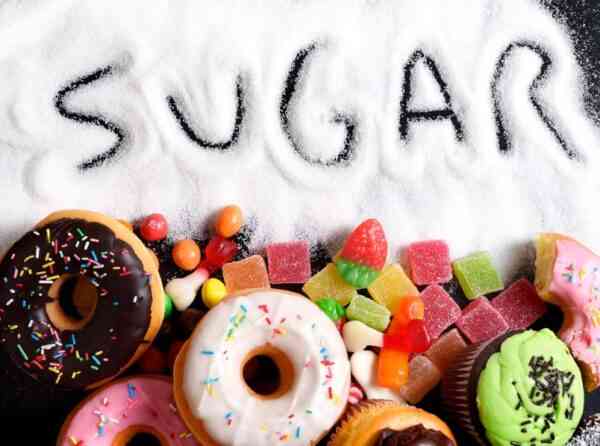
FOR years, you have been told the story: brush twice a day, floss regularly and avoid sweets to keep cavities at bay.
You have followed the script, yet you find yourself back in the dentist’s chair.
You not a candy addict or a soda-guzzler or so you believe.
The problem is, the enemy has changed its disguise.
In our modern food landscape, sugar is the new tobacco for your teeth a pervasive, addictive and silently destructive agent embedded in the very staples we consider safe, even healthy.
The cavity is not just in your tooth; it is in the fine print on the labels of your daily bread, your “nutritious” breakfast and your savoury dinner sauces.
Cavities or dental caries, are a bacterial infection fuelled by fermentable carbohydrates.
When you eat sugar, the bacteria in dental plaque metabolises it, producing acids that dissolve the protective enamel of your teeth.
- Sugar shortage hits market
- starafricacorporation posts $133,47m loss in H1
- Zim plans to declare sugar a ‘strategic’ crop
- CSO lauds proposed amendment to Sugar Production Control Act
Keep Reading
This “acid attack” can last for 20 to 30 minutes after each exposure.
The issue is no longer just the obvious chocolate bar or lollipop; it’s the frequency of eating sugar.
A diet of constantly sipped, sweetened coffee and grazed-upon “healthy” snacks creates a near-perpetual acid bath in your mouth, leaving enamel no time to remineralise and repair.
This is where the hidden labels come in.
We have been conditioned to look for sugar in the aisles of candy and cookies, but the real threat occurs in the centre of the supermarket.
The usual suspects with unusual amounts
If we consider the “healthy” drink; that bottle of organic cold-pressed juice, that vitamin-infused water, that trendy kombucha or that pre-workout electrolyte mix.
They parade under banners of wellness, yet a single 500ml bottle can contain 25-35 grammes of sugar, more than the American Heart Association’s recommended daily limit for an adult which is:
For men: No more than nine teaspoons which is (36 grammes or 150 calories) added sugar per day.
Women: No more than six teaspoons (25 grammes or 100 calories) of added sugar per day.
Sipping it over an hour is functionally identical to bathing your teeth in a slow-drip sugar solution every hour.
Then there is the “breakfast betrayal”.
Every single day, we take in that instant oatmeal packet flavoured with “real fruit”, that granola cluster marketed for fitness, that pot of fruited yoghurt. A typical serving of flavoured oatmeal can contain 12-15 grammes of added sugar.
Granola, often perceived as the pinnacle of health, is frequently bound with honey, syrups and brown sugar, making some varieties sweeter per gramme than a chocolate chip cookie.
Then, there is the “savory saboteur”.
That whole wheat bread you use for sandwiches. Many commercial loaves add sugar or high-fructose corn syrup (1-4 grammes per slice) to promote browning and enhance flavour.
That pasta sauce in a jar it is not uncommon to find 10-12 grammes of sugar per serving to balance the acidity of tomatoes.
Ketchup, barbecue sauce, salad dressings especially “fat-free” versions which replace flavour lost from fat with sugar are all liquid sugar vehicles.
Even your “simple” morning porridge, if make from pre-flavoured instant oats, is a culprit.
The food industry excels at obscuring the truth.
Sugar is rarely listed plainly as the second or third ingredient.
Instead, you must become a decoder of synonyms, each representing the same enamel-eroding compound:
The syrups: Brown rice syrup, malt syrup, high-fructose corn syrup, corn syrup solids.
The —oses: Fructose, sucrose, dextrose, maltose, galactose.
The “natural guises": Evaporated cane juice, agave nectar, honey, maple syrup, fruit juice concentrate.
When you read a label, you must add all these variants together to see the true total sugar load.
A product claiming “no added sugar” might still be high in natural sugars from fruit concentrate, which is metabolically and dentally identical.
The only objective tool is the “total sugars” line on the nutritional panel, measured in grammes.
Hence, how can we find a solution to this problem?
Become a label detective: Before any product enters your cart, turn it over.
Scan the ingredient list for the synonyms of sugar.
Look at the “total sugars” per serving.
Four grammes of sugar is roughly one teaspoon. Ask yourself: is this necessary?
Rethink your drink: Make water and unsweetened tea your primary beverages.
If you consume sugary or acidic drinks, do so with a meal to limit acid attacks and never sip them leisurely over hours.
Use a straw to bypass teeth when possible because acidic drinks cause erosion of teeth.
Mind the frequency, not just the quantity: It is better to eat a small chocolate bar in one sitting than to graze on “healthier” sugary granola bars throughout the day.
Constant grazing denies your saliva, nature’s best defence, the chance to neutralise acids and repair early damage.
The power of the chaser: After consuming sugars or carbs, chase it with water to help rinse the mouth.
Finishing a meal with a cube of cheese or some milk can help to neutralise acids due to their calcium content.
Timing is everything: Brush your teeth before breakfast to protect enamel from the coming acid attack, or wait at least 30-60 minutes after eating to brush, as enamel is softened post-meal.
Chewing sugar-free gum with xylitol after meals can stimulate protective saliva flow.
To conclude, the war for your oral health has shifted from the obvious battlefield of the candy store to the camouflaged trenches of your everyday pantry.
Cavities are now less a sign of poor brushing and more a symptom of a diet saturated with hidden, frequent sugar.
By learning to read the hidden labels, you know what is good for you and what is not.
You move from being a passive patient in the dentist’s chair to an informed guardian of your own smile.
The sugar may be hidden, but the damage does not have to be inevitable.
Your defence starts not with your toothbrush, but with your eyes, reading the true story written in the smallest print.