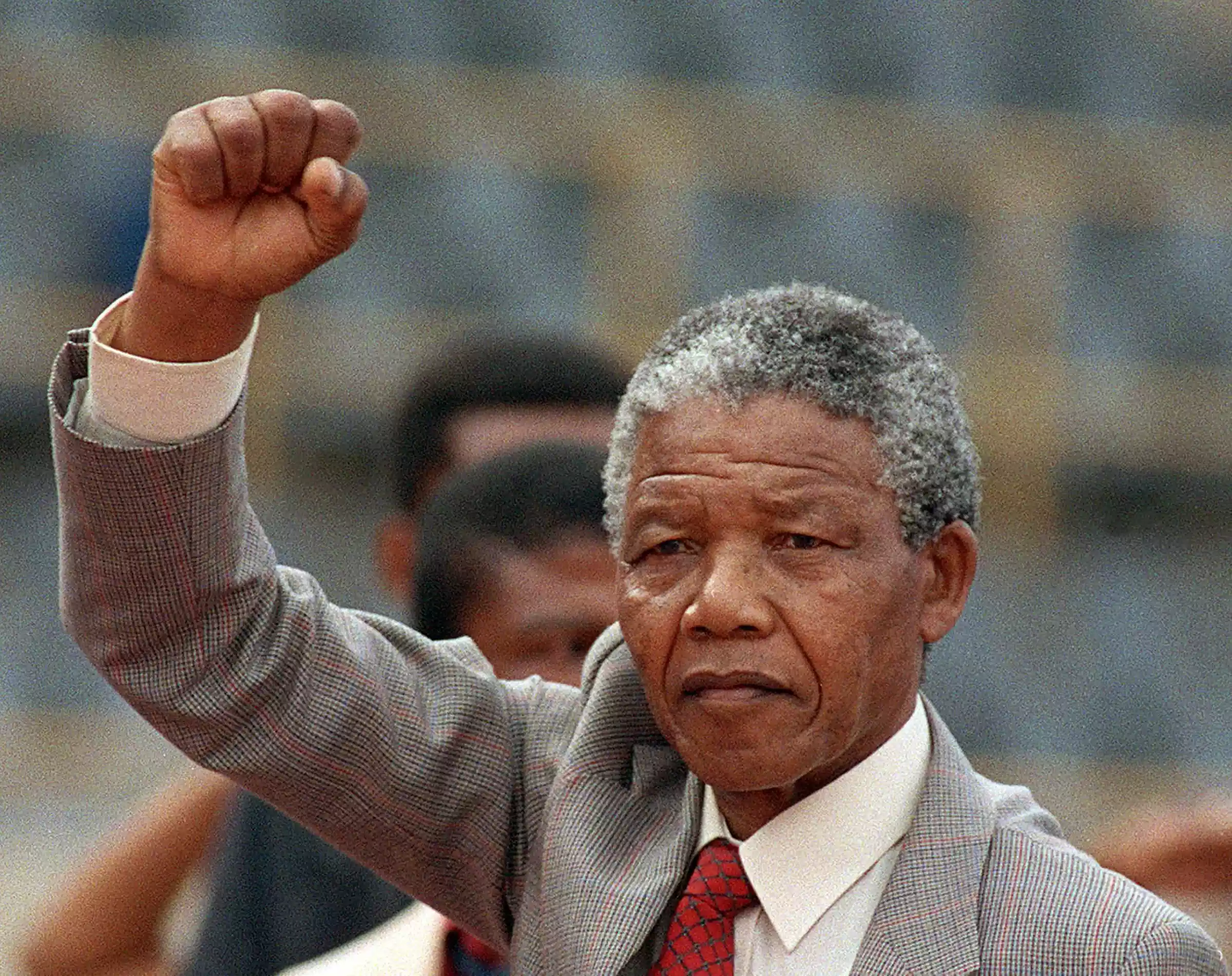
Across the world, the name Nelson Mandela is spoken with near universal reverence. Streets, statues, scholarships and speeches carry his legacy. Often, the praise is not only for what he did while in power, but for what he chose not to do, and clung to it. Mandela left office voluntarily at the height of his moral authority and in doing so secured his place in history. Leadership, it turns out, is not judged only by how one rises, but by how and when one exits.
In contrast, Robert Gabriel Mugabe’s story offers a painful lesson in the cost of overstaying one’s welcome. Mugabe was, by any fair historical measure, a formidable leader in his early years. He inherited a deeply unequal society and, in the 1980s, expanded education, improved healthcare and gave Zimbabweans a sense of national pride after decades of colonial humiliation. By the late 1980s, Zimbabwe was widely regarded as one of Africa’s success stories. Mugabe was respected globally and admired across the continent.
Yet history is unforgiving when leaders refuse to read the signs of time.
Power is intoxicating. It convinces those who hold it that they are indispensable, that without them the nation will collapse. Over time, advisors become courtiers, criticism is treated as betrayal and succession is seen as a threat rather than a necessity. This is where leadership quietly mutates into self-preservation. Mugabe’s failure was not that he lacked brilliance or courage, it was that he stayed too long.
As the years passed, the qualities that once made Mugabe effective became liabilities. Decisiveness hardened into intolerance. Confidence slipped into arrogance. Liberation credentials were repeatedly invoked to silence legitimate questions from a younger generation facing unemployment, currency collapse and shrinking opportunities. By the time Mugabe left power in 2017, not by choice but by force of circumstance, his legacy had been badly damaged. The world no longer debated his achievements, it debated his stubbornness.
Mandela understood something many leaders do not, leadership is seasonal. Every leader has a moment when their presence adds value and a moment when it begins to subtract it. Mandela served one term and stepped aside, not because he was weak, but because he was secure enough to trust institutions, successors and the people themselves. By leaving early, he allowed South Africa to remember him at his best, not his worst.
The right time to leave is rarely announced by applause alone. It often reveals itself through subtle signs, when a leader spends more time defending their record than shaping the future, when policy debates give way to personality worship, when succession plans are absent or deliberately undermined; when the nation’s progress becomes inseparable from one individual’s survival. These are warning lights on the dashboard of power.
Great leaders build themselves into history, poor ones try to freeze history around themselves.
- Out & about: Warner Music Group squashing the impossible
- Ex-ChiTown chamber secretary fails to stop trial
- Ex-ChiTown chamber secretary fails to stop trial
- Ex-ChiTown chamber secretary fails to stop trial
Keep Reading
Africa, in particular, has suffered from leaders who confuse the state with their own identity. Constitutions are amended, term limits removed, and elections ritualised all to prolong personal rule. Yet the irony is cruel, the longer such leaders stay, the smaller their achievements appear. Time erodes goodwill. Economic hardship sharpens memory. Eventually, even genuine accomplishments are overshadowed by the damage of delay.
Leadership is stewardship, not ownership. A nation is not a private company, and a presidency is not a lifetime appointment. The ultimate duty of a leader is to leave behind stronger institutions, not a vacuum filled only by their name. Knowing when to leave is an act of humility, but also of foresight. It signals confidence in the people and faith in the future.
Mandela’s greatness was sealed not just in prison or in office, but in his departure. Mugabe’s tragedy is that he might have joined Mandela in the pantheon of global statesmen had he chosen a dignified exit earlier. The lesson is clear and timeless, power may be won through struggle, but legacy is preserved through restraint.
A leader who knows when to leave does not abandon their country. They free it to grow beyond them.
Know when to leave!