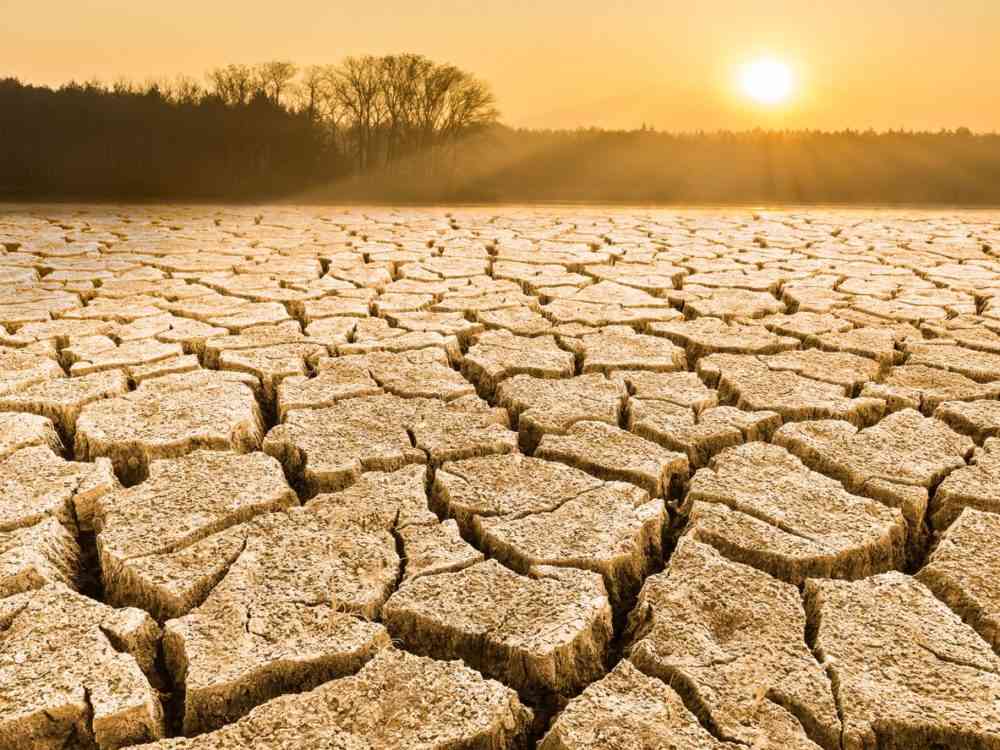
AS the nation is busy tilling the land taking advantage of the rains, beneath their feet lies a ticking time bomb: soil degradation, a pressing issue that threatens to undermine agricultural productivity and food security.
The country’s soils, already fragile and vulnerable, are facing unprecedented pressure from climate change, intensive farming practices and improper land management.
Soil degradation — a decline in soil quality and productivity — leads to serious impacts, including, reduced crop yields, decreased water retention, worsening food insecurity and deepening poverty, especially in vulnerable areas.
Additionally, natural region IV and V, covering a large portion of the country, are already marginal for agriculture due to low rainfall and poor soils.
Soil degradation in these areas intensifies the risk of land abandonment, hunger and migration.
As the impacts of climate change continues to stress land resources, protecting and restoring soil health becomes not just an environmental concern, but a national development priority.
For farmers in Zimbabwe, understanding and addressing the soil degradation menace is key to ensuring agricultural sustainability, exploring impacts on long-term land productivity and highlighting practical strategies for mitigating the effects.
Impacts of soil degradation
- Mavhunga puts DeMbare into Chibuku quarterfinals
- Bulls to charge into Zimbabwe gold stocks
- Ndiraya concerned as goals dry up
- Letters: How solar power is transforming African farms
Keep Reading
Reduced soil fertility
Soil degradation is slowly taking away fertility from our farmlands, leaving crops struggling to reach their full potential.
Depletion of soil nutrients has forced farmers to depend on expensive fertiliser, siphoning into their already tight budgets and threatening the foundation of their livelihoods.
A decrease in crop yields caused by reduced soil fertility is a ticking time bomb for agricultural productivity and food security.
Loss of livelihoods
Agriculture is the main source of income for the majority of Zimbabweans.
As land becomes degraded, farmers face declining earnings and are pushed into poverty.
In communal areas, this can lead to increased dependency, urban migration and exploitation of natural resources such as forests and rivers.
Increased erosion
The ravaged landscapes of the Eastern Highlands are a sound reminder of the destructive power of soil erosion.
As fertile topsoil is washed away, the foundation of agriculture is undermined, leaving behind a barren and unproductive landscape.
However, soil erosion is, indeed, a threat that is destroying the livelihoods of countless farmers and communities.
Reduced resilience to climate change
In dry spells, healthy soils act as buffers by conserving moisture.
Degraded soils dry out quickly, making crops more vulnerable to droughts, hence reducing the overall resilience of farming systems in a changing climate.
Reduced crop diversity
The homogenisation of our agricultural landscape is a worrying trend, driven in part by soil degradation.
As soils become less fertile and more degraded, the farming community is forced to focus on a narrow range of crops, leaving them exposed to climate shocks and market fluctuations.
Crop diversification and embracing drought-tolerant crops help farmers to develop resilience and ensure a more secure future — but the clock is ticking.
Increased labour cost
Soil degradation is a slow-moving thief, stealing time and energy from the farming community.
As soils become less productive, farmers are forced to invest more in land preparation, planting and weeding, taking away from other vital activities.
With conservation agricultural programmes such as Pfumvudza/Intwasa giving hope, farmers are beginning to adapt, but the need for a widespread support and training is clear.
Reduced income and food security
The effects of soil degradation on our farmers are stark.
Reduced income and food insecurity are the bitter harvest of degraded landscapes.
As crops wither and yields decline, farmers are left struggling to gain a livelihood.
With the threat of hunger and poverty looming large, addressing soil degradation is not just an environmental concern but a moral obligation.
Solution and recommendations
Conservation agriculture
Conservation agriculture is a powerful tool in fighting soil degradation, working through key principles such as zero tillage, permanent soil cover, crop rotation and diversity.
These principles lead to numerous benefits that enhance soil health that include improved soil structure, increased organic matter and reduced soil erosion.
Additionally, conservation agriculture promotes water conservation, increased biodiversity and enhances climate resilience.
By adopting these practices, our farmers can effectively reduce soil degradation, improve soil health and boost productivity, ultimately contributing to a more sustainable agricultural future.
Soil conservation measures
The implementation of soil conservation measures is key in addressing soil degradation, encompassing practices such as terracing, which creates flat plots on slopy land to minimise erosion and increase arable land, the use of cover crops, which shield soil from erosion and enhance organic matter.
Mulching also plays a key role in retaining moisture, suppresses weeds, and regulates soil temperature collectively contributing to improved soil health and increased productivity.
Sustainable practices
These practices play a vital role in combating soil degradation through adopting measures such as organic farming methods where farmers can enhance soil fertility and structure, reducing the need for synthetic fertilisers and pesticides.
Integrated pest management techniques, minimise chemical use, promoting a balanced ecosystem.
Efficient irrigation systems such as drip irrigation conserve water and reduce soil erosion.
Additionally, crop diversification improves soil resilience and promotes biodiversity.
These practices collectively contribute to improved soil health, increased water retention and enhanced climate resilience, ultimately ensuring the long-term productivity of our agricultural land.
Farmer training and education
Empowering farmers with knowledge on sustainable practices through extension services, workshops and demonstration plots ensures adoption and long-term impact.
Conclusively, soil degradation poses a serious threat to the sustainability of agriculture in Zimbabwe.
Without urgent and co-ordinated efforts to promote soil conservation, restore degraded land and support farmers with education and resources, the country risks losing both its agricultural productivity and food security.
Protecting our soils today is investing in the farming future of Zimbabwe.
- Naboth Mutomba is a seasoned agriculturalist and farm business consultant. He can be contacted at [email protected]