THIS week marks an historic and defining moment for medical education in Masvingo province.
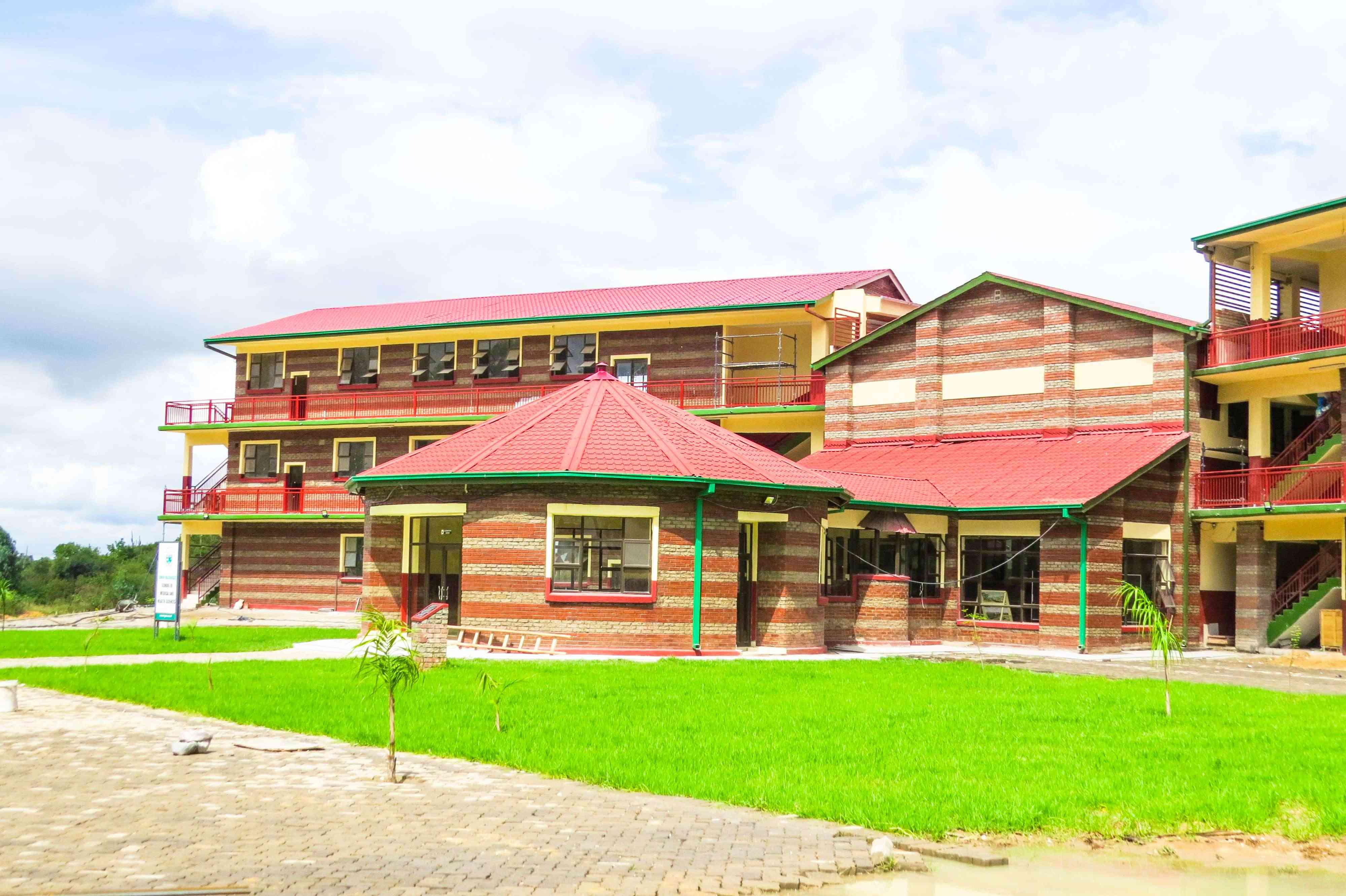
The Medical and Dental Practitioners Council of Zimbabwe (MDPCZ), working in liaison with the Zimbabwe Council for Higher Education (ZIMCHE), has officially granted approval for Great Zimbabwe University (GZU) to offer the Bachelor of Medicine and Bachelor of Surgery (MBBS) degree at its Simon Mazorodze School of Medical and Health Sciences.
For Masvingo, this is more than an administrative clearance — it is the realisation of a long-held dream.
The MDPCZ inspection team confirmed that the medical school met the minimum requirements and regulatory standards for training future doctors.
With this approval, Masvingo is now ready to train its first cohort of medical students, who are expected to graduate in the coming years.
The benefits of this development extend far beyond the university.
The establishment of a medical school at GZU will significantly enhance healthcare delivery, as specialists will be seconded to Masvingo Provincial Hospital to support both training and service provision.
Patients, the community, the university and the nation stand to gain.
- NoViolet Bulawayo’s new novel is an instant Zimbabwean classic
- Jah Prayzah, Zanu PF rekindles ‘lost love’
- Bank workers appeal to Ncube for tax relief
- Indosakusa marks 21-year anniversary milestone
Keep Reading
The journey to this point began in October 2022, when President Emmerson Mnangagwa commissioned the Simon Mazorodze School of Medical and Health Sciences and assured the nation that nothing will stand in the way of its operationalisation.
True to that promise, the school has moved steadily forward.
Zimbabwe can now proudly count four medical schools — a significant milestone for a country renowned for producing world-class doctors.
Ironically, this excellence has also made Zimbabwe a hunting ground for developed nations such as the United Kingdom, Australia, New Zealand and the United States.
In the long term, decentralising medical education so that every province hosts a medical school can help to increase training capacity and strengthen the national health system.
In preparation for clinical training, Masvingo Provincial Hospital has undergone extensive renovation to meet teaching hospital standards.
The school worked tirelessly with the ministries of Health, Local Government and Higher and Tertiary Education to transform the hospital into a facility capable of supporting medical education.
The Finance ministry further reinforced this vision by earmarking funds in the 2026 National Budget for the hospital’s upgrade to a full-fledged university teaching hospital.
However, approval and infrastructure alone are not enough.
Staff retention remains the elephant in the room.
Running a medical school is an expensive and demanding undertaking, and without competitive incentives, the risk of losing skilled lecturers and specialists remains high.
Both monetary and non-monetary incentives must be urgently addressed.
Improved salaries aligned with regional standards, along with benefits such as residential stands and housing schemes, can go a long way in curbing brain drain and boosting morale.
My appeal, therefore, is for government to continue nurturing this “new baby” on the academic market —the Simon Mazorodze School of Medical and Health Sciences.
The school has an ambitious growth plan that includes introducing programmes such as a Bachelor of Nursing Science, Bachelor of Pharmacy, Bachelor in Environmental Management and a Master of Public Health, among others.
Together, these developments can significantly strengthen Zimbabwe’s health delivery system.
Masvingo has shown that it can rise to the occasion.
Congratulations to Great Zimbabwe University, this is a victory worth celebrating.
- Johannes Marisa is a medical practitioner who is the current president of the Medical and Dental Private Practitioners Association of Zimbabwe.