ONE of the many reasons why I appreciatively subscribe to and bear so much conviction that our motherland is the next best gig is the mere fact that a great chunk of the time that I have listened to music in the past six years, has been dedicated to purely home-grown genres.
Talk of amapiano, Afro-pop, Naija and ultimately my native Zimbabwean dancehall, trap, sungura and so forth.
It has happened with so much precision and consistency that I believe it is over 80% of my musical enjoyment.
Hardly was it the case some 15 to 20 plus years ago.
Growing up as a young urbanite, it was almost a default setting to listen to the 1990s RnB, hip-hop and Jamaican dancehall.
The genres were too dominant.
Of course, South Africa’s kwaito was quite active on the scene, but to a little extent.
Fast forward to today, tremendous effort, time, financial resources and research have been allocated to the music industry such that the past 10 years have proven to be revolutionary, particularly the west African rhythms which continuously make bigger strides globally.
- Open letter to President Mnangagwa
- Feature: ‘It’s worse right now than under Mugabe’: Sikhala pays the price of opposition in solitary cell
- Masvingo turns down fire tender deal
- Human-wildlife conflict drive African wild dogs to extinction
Keep Reading
Music is loud, it creates the necessary noises that assist in building and influencing Africa as a brand.
Gradually, the African story of its rich cultural fibre and attractiveness to willing investors among a wealth of other things is progressively more recognisable thanks to our musicians.
Now, a call comes to transform this positive energy into various other sectors of the continent’s economy.
There is great potential for super-sonic growth in key economic drivers such as mining, agriculture, sport, ICTs and science, just to name a few.
Unfortunately, greater Africa still uses Cecil John Rhodes’ old model of production, which is exploration, extraction and exportation of raw materials without conducting due processes of value-addition and beneficiation.
Gauging from Rhodes’ year of death in 1902, it essentially means Africa lags at least 123 years behind global trends in terms of the industrial production index (IPI).
A recent report from Tax Justice Network Africa indicates that over US$86 billion from extractive industries alone is lost annually via illicit financial flows.
Sorrowful as this may seem, such reports present Africa’s unrealised potential and actually bring to book those in positions of influence to craft better and more progressive Afro-centric policies.
Foreign direct investment should also be regulated, particularly bogus Chinese enterprises that continue to cause headaches across the continent.
Nonetheless, there is no night as long as it does not end with dawn.
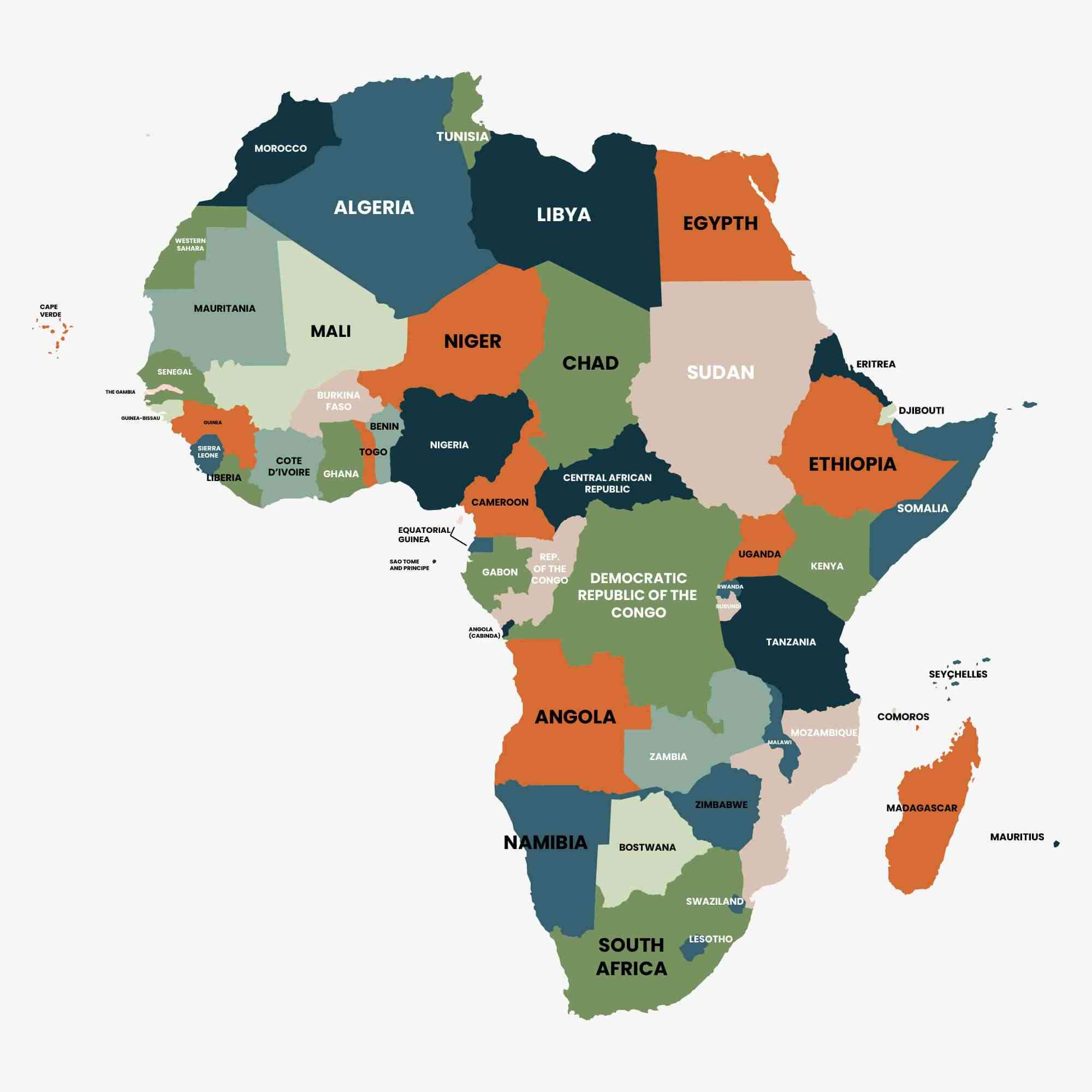
We celebrate Ethiopia’s milestone construction of the Grand Ethiopian Renaissance Dam (GERD) on the Blue Nile River, which is now the largest hydro-electric project in Africa and one of the 20 largest in the world.
It has an installed capacity of 5 150 megawatts.
What makes GERD remarkable is its funding.
It was built at an approximate cost of US$5 billion, of which 90% was financed internally through government-powered frameworks.
It has since been dubbed the cradle of modern African self-reliance.
Additionally, Cassava Technologies, another home-grown international conglomerate, is set to roll out artificial intelligence factories in five different countries by September 2026.
The opening of an administrative hub by giant aeroplane manufacturer Boeing in Addis Ababa also further solidifies the attractiveness of Africa as a newbie in global aerospace industries.
In addition to the magnificence, it is predicted that by 2075, a third of the world’s economically active age group will be African.
This elevates Africa ahead of the game insofar as human capital development is concerned, of course, humans being the central drivers and origin of innovation (the more the merrier).
Lastly, in the words of Kwame Nkrumah, “Common continental development of Africa is a vital necessity”.
We only have one option, which is to unite and realise the true value of Africa.