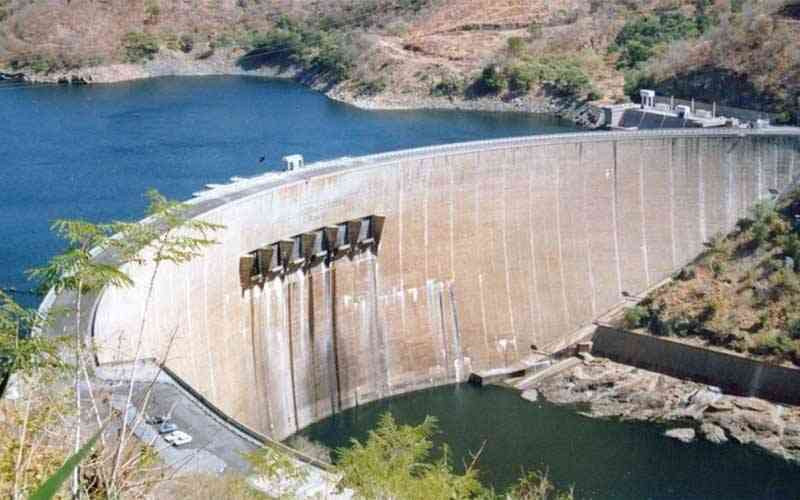
ZESA Holdings says Kariba South Power Station now supplies about 45% of Zimbabwe’s annual electricity generation, reaffirming the hydropower plant’s strategic importance as Parliament praised the utility for achieving 188 consecutive days without nationwide load shedding.
The remarks were made during an oversight visit by the Parliamentary Portfolio Committee on Energy and Power Development to Kariba South, where Zesa outlined plans to diversify its energy mix with new solar and thermal projects while stressing hydropower's continued importance to national energy security amid increasing climate-related risks.
Zesa acting group chief executive Cletus Nyachowe, represented by Zimbabwe Power Company (ZPC) acting managing director Nobert Matarutse, said Kariba South Power Station remained one of Zimbabwe's most strategic generation assets, supplying electricity to the mining, manufacturing, agriculture and commercial sectors, as well as domestic consumers.
“As a renewable energy facility, Kariba South also contributes significantly to Zimbabwe’s energy transition objectives and our broader commitments to sustainable development and decarbonisation.” he said.
Nyachowe told lawmakers that hydropower was critical not only for electricity generation but also for maintaining grid stability, as its ability to respond rapidly to fluctuations in demand enables the system operator to balance the grid and maintain security during disturbances.
“From a cost perspective, hydropower remains one of the most economical sources of electricity in our generation portfolio,” he said.
“Consequently, Kariba South plays an important role in moderating the overall cost of electricity supplied to the Zimbabwean economy.”
However, he cautioned that electricity generation at Kariba South is directly linked to rainfall patterns.
- Low tariffs weigh down ZETDC
- ‘Systems disturbance hits Hwange Power Station’
- Zesa doubles power charges
- Kariba, Hwange power plants obsolete: Govt
Keep Reading
During a normal season, the Zambezi River Authority (ZRA) allocates about 40 billion cubic metres of water for power generation to be shared equally between Zimbabwe and Zambia.
During drought years, water allocations decline, forcing the utility to rely more heavily on higher-cost electricity sources.
Nyachowe said Zesa works closely with the bi-national ZRA to manage the shared Kariba reservoir, with water conservation remaining a strategic priority to safeguard long-term generation capacity.
To reduce climate-related risks, he said the utility was diversifying its generation mix.
“We are advancing plans to develop up to 500MW of solar generation capacity across approximately 10 sites nationwide, with each site having a capacity of 50MW. In addition, we are pursuing further thermal generation expansion to enhance energy security,” Nyachowe said.
Portfolio committee chairperson and Chinhoyi legislator Leslie Mhangwa said Parliament’s role was to ensure the energy sector continues to meet current and future national demand.
“This is not a tourist excursion. We are here because a core part of our mandate as the portfolio committee is oversight of the energy and power sector,” he said.
“Without Zesa and ZPC, we cannot fulfil three-quarters of our mandate as a portfolio committee.”
Mhangwa praised Zesa for recording 188 consecutive days without load shedding, describing it as a significant improvement from periods when power cuts lasted up to 18 hours a day.
He urged management to give greater recognition to the technical staff and artisans responsible for maintaining the country's power stations.
“I listened attentively, and the milestone of 188 days without load shedding is a significant achievement. I note that you did not adequately acknowledge your human resources and the technical teams — the people on the ground,” he said.
“Thank you to everyone, from the artisans and technicians to the engineers managing the power stations across the country, and to those at ZETDC who transmit the power.”
Mhangwa also endorsed the proposed 500MW solar rollout but cautioned against neglecting conventional baseload generation.
“We must not rush to abandon our core baseload capacity. We have those resources, and we must use them strategically,” he said.
The committee said it would carry Zesa’s submissions forward as it considers the policy support needed to stabilise and expand Zimbabwe’s energy sector.