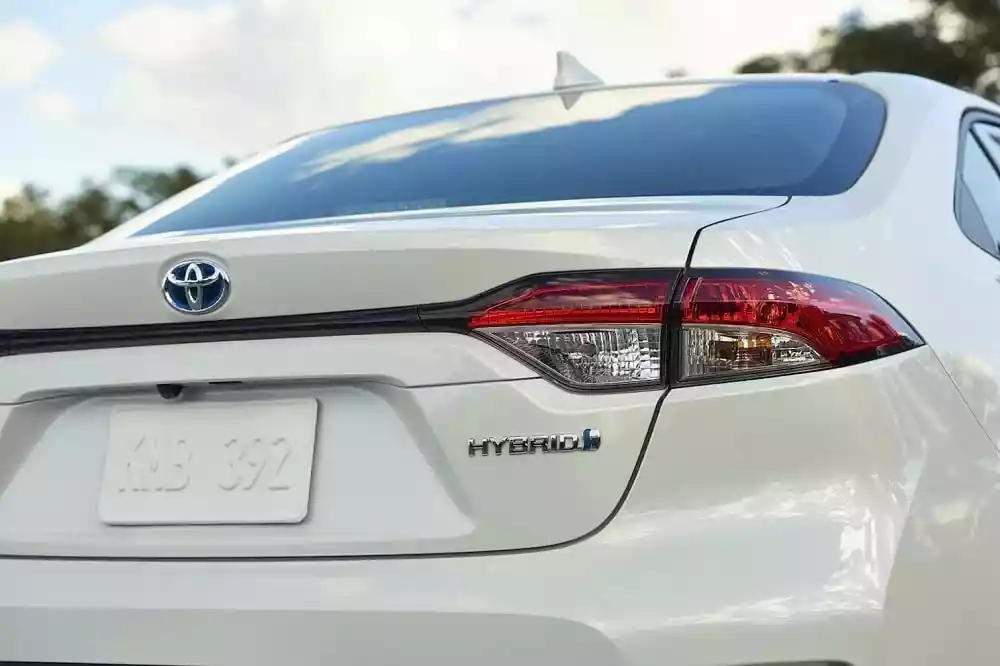
The hybrid vehicle not the zero-emission pure EV has quietly captured the hearts and wallets of local motorists.
Despite aggressive government policies designed to promote pure EVs, including slashing customs duty from 40% to 25% via Statutory Instrument 35 of 2025, consumers are voting with their ignition keys. For the average Zimbabwean driver, the hybrid vehicle has firmly established itself as the practical, real-world sweet spot.
On paper, the pure EV makes perfect economic sense, but the physical reality on the ground creates a steep roadblock rooted in severe national energy deficits. The public grid heavily dependent on the climate-vulnerable Kariba South Hydroelectric Power Station and an aging Hwange Thermal Power Station subjects urban hubs to unpredictable, prolonged load shedding.
While innovative partnerships between private companies like Zuva Petroleum and the Electric Vehicle Centre Africa (EVCA) have established functional public DC fast-charging sites in urban hubs like Harare and Bulawayo, nationwide highway coverage remains deeply limited, leaving main routes such as the Harare-to-Mutare corridor dangerously underserved. For motorists frequently travelling between cities or taking long trips to rural areas, range anxiety is an active risk rather than a theoretical concern.
Pure EVs tie a driver directly to sparse urban infrastructure or require massive, expensive home-based solar charging investments to bypass grid instability. A standard home configuration requires a high-capacity monocrystalline solar array, a robust hybrid inverter, and high-voltage lithium iron phosphate battery banks, demanding an upfront investment easily exceeding US$5,000 despite government duty rebates on solar equipment.
Hybrids, conversely, bridge the gap seamlessly. By utilizing both a smaller battery and an internal combustion engine, they function independently of the country's grid. If the battery depletes, the car relies on Zimbabwe’s well-established, nationwide fuel station network, requiring no behavioral changes or infrastructure overhauls from the driver.
Financial accessibility remains the most significant hurdle keeping pure passenger EVs out of reach for the mass market, especially in an economy characterized by a dominant informal sector and a lack of structured vehicle asset financing. While the government offers a lower 25% import duty for pure EVs compared to the 40% tariff retained on hybrids, the entry point for a brand-new, dealership-supported passenger EV remains incredibly steep. Flagship models like the BYD Atto 3 land at approximately US$71,000 after accounting for shipping, port handling, and a 15% value-added tax.
These high-end models cater beautifully to high-net-worth early adopters and corporate fleets, but the standard consumer relies heavily on the affordable grey-import market to purchase vehicles. Importing a second-hand hybrid hatchback such as a Honda Fit Hybrid or Toyota Aqua from Japan or the UK is vastly more budget-friendly and fits cleanly within the strict ten-year vehicle age limit enforced by the Zimbabwe Revenue Authority (ZIMRA).
- Australia floods worsen as thousands more flee Sydney homes
- Japan brings cheer to Gokwe
- Bruce’s Beach returned to family nearly a century after seizure
- Commodity price boom buoys GB
Keep Reading
Furthermore, the secondary market heavily favors hybrids due to long-term asset risk and technical support. Buying a used EV poses a massive financial threat because the traction battery pack experiences accelerated degradation in Zimbabwe’s prolonged ambient heat, which frequently exceeds 30°C in lowveld regions like Chiredzi and Zvishavane. If a critical component, such as an onboard charger or an active liquid-cooling system suffers a terminal failure, local independent workshops lack the equipment to handle high-voltage powertrains. The local mechanical ecosystem is already deeply familiar with working on standard internal combustion architectures, whereas tracking down independent technicians specialized in high-voltage pure EV diagnostics remains an ongoing hunt.
Zimbabwe's National E-Mobility Policy targets an ambitious 33% EV market penetration, and projects like Mobility for Africa are demonstrating localized success through solar-powered electric tricycles designed for rural women farmers and last-mile logistics. Yet, for the contemporary Zimbabwean driver managing daily commutes against a backdrop of tight budgets and developing infrastructure, the hybrid represents the ultimate act of automotive pragmatism. It offers the fuel economy savings of electrical energy without the structural vulnerabilities of a pure EV, securing its spot as the undisputed king of the local transition market.