IN Mudzi district, Mashonaland East province — a semi-arid, drought-prone area with low and erratic rainfall typically ranging from 450mm to 500mm annually — the prospects of meaningful harvests from rain-fed agriculture often seem like a pipe dream.
The district, situated in ecological Region IV, suffers from frequent and prolonged dry spells, particularly during the November to April summer cropping season.
It is, therefore, no surprise that climate change and El Niño events have intensified the dry conditions, causing severe water scarcity and worsening food insecurity.
According to research, rainfall in the area is unreliable, with frequent dry spells occurring within the rainy season, significantly affecting agricultural productivity.
Recurring droughts often trigger acute food shortages, with the district increasingly facing desertification as climatic shocks and declining rainfall create severe challenges for farming.
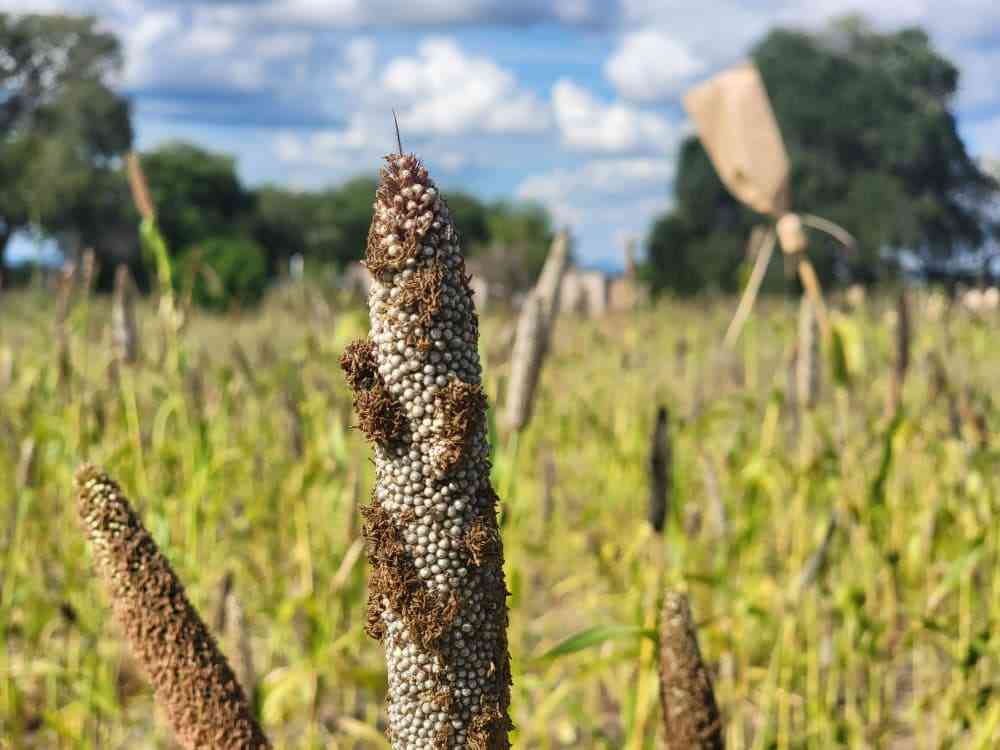
Consequently, like many African communities, Mudzi is witnessing climate change severely impacting staple diets by reducing yields of essential crops.
Projected declines in yields could reach up to 80% for some crops by 2050, increasing malnutrition and pushing food prices up by more than 20%.
- Zanu PF old guard retain CC posts
- Business opinion: Agrotourism branding for entrepreneurship
- 500 cattle stolen in Mash East. . . as police urge farmers to use ICT to curb stocktheft
- Low turnout mars Zanu PF DDC polls
Keep Reading
Yet in this dusty and arid region, villagers are pushing back against these challenges through initiatives aimed at guaranteeing household food security.
These initiatives extend beyond simply creating seed banks for small grains and traditional crops to replace maize varieties that have been battered by climate
impacts.
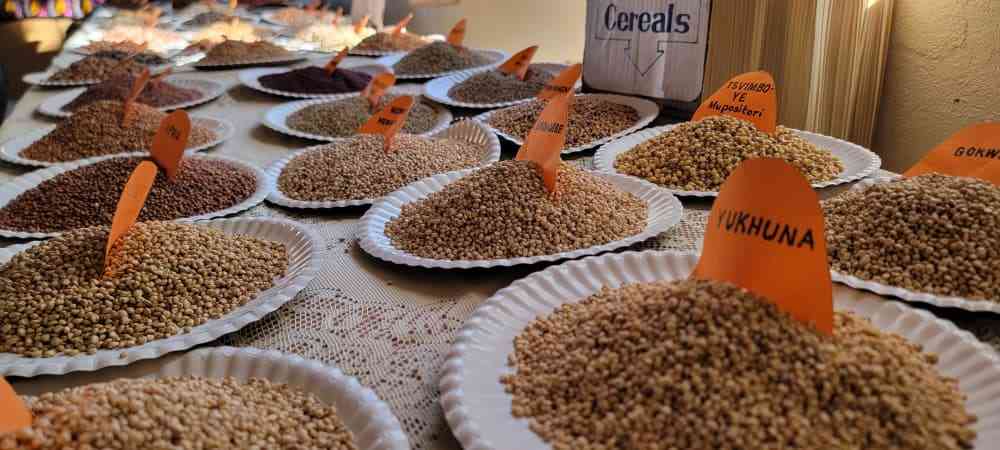
Villagers are now developing their own crop varieties and community seed banks tailored to local climatic conditions and soils.
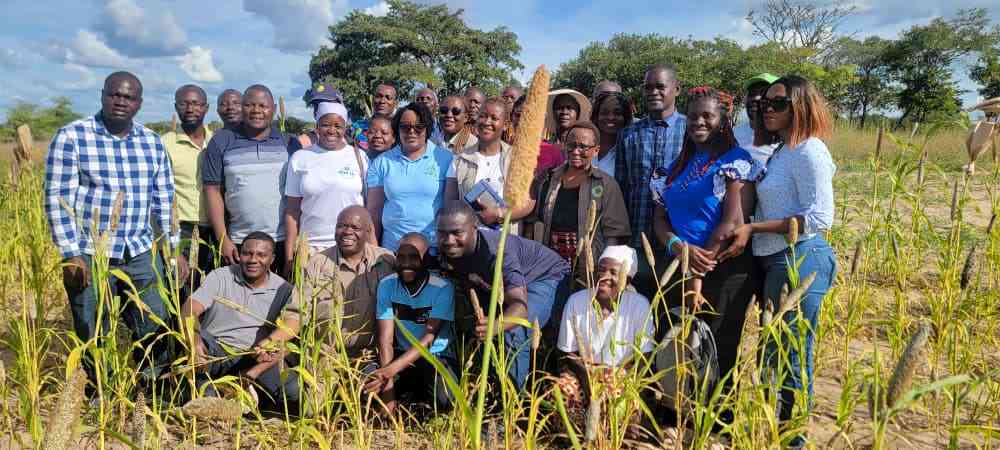
The impressive initiatives left an indelible mark on visiting fellows from the Vision for Adapted Crops and Soils (VACS) Capacity Project.
The fellows, drawn from several West African countries, are part of a programme aimed at strengthening the capacity of African researchers working on opportunity crops — also known as neglected and underutilised crops.
As part of career development, the International Institute of Tropical Agriculture (IITA) has partnered CIMMYT to support professional trainees to gain new skills or upgrade existing ones through hands-on training so they remain abreast of technological advances and contribute to the objectives of the VACS initiative.
During their visit, the fellows toured partners such as Seed Co, the Agriculture Research Trust, and the Community Technology Development Organisation, among others, to gain first-hand practical experience.
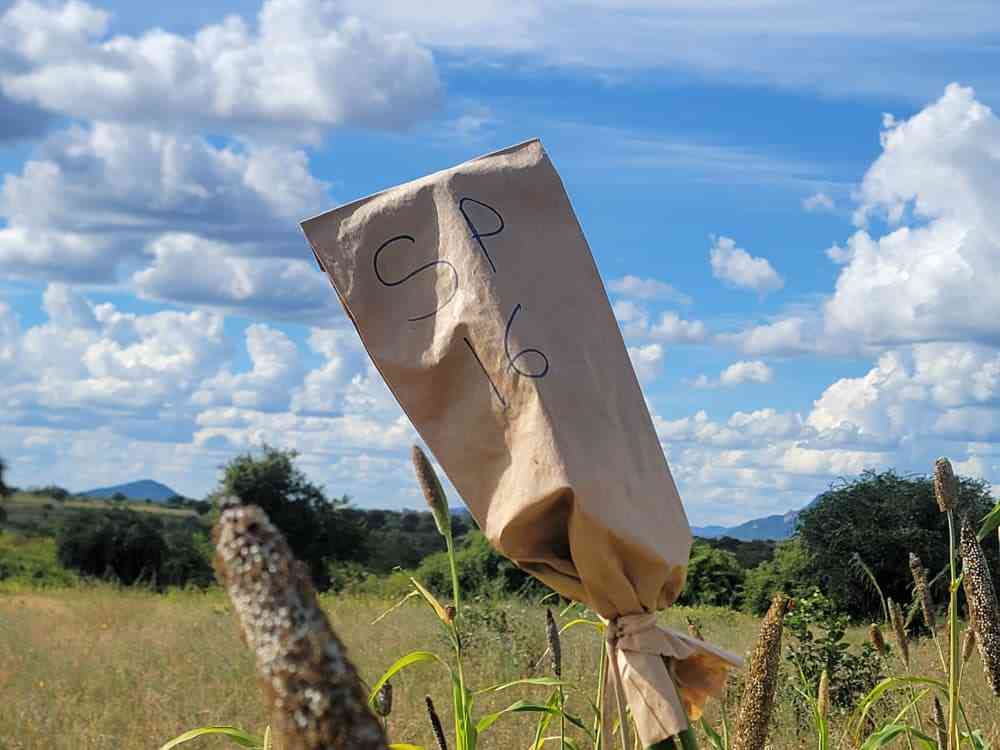
Meanwhile, farmers at Jumbe Farmer Field School are making significant strides, particularly through participatory variety selection.
Since the establishment of the school in 2015, farmers have released two sorghum varieties now circulating in the market.
The farmers are also actively involved in participatory variety development, also known as participatory plant breeding.
According to school facilitator Isiah Kativhu the project is benefiting eight villages — Kanjanda, Chandura, Nyenda, Kachidza, Magaba, Basera and Suru.
“All these eight villages are benefiting from the Jumbe Farmer Field School. They are benefiting from seeds and knowledge on how to grow and pollinate,” he said.
The villagers have also established the Chimukoko Community Seed Bank.
Nyasha Ndokera, agricultural business adviser for ward 3, said the initiative allowed farmers to deposit seed at harvest time and withdraw it during planting season.
“In the event of recurrent droughts, we still have reserves of seed. Mainly, we store open-pollinated varieties or what we call landrace seeds.
“We do not store certified seed here in the seed bank. Besides storing seed and preserving germ plasm, the community seed bank also serves as a centre for knowledge exchange.
“Training and workshops are conducted here. On an annual basis, we also hold seed and food fairs where farmers exchange seeds, knowledge and experiences.”
Community Technology Development Organisation project coordinator Spiwe Manjengwa said the organisation established 26 community seed banks across its operational districts in Zimbabwe.
“The community seed bank is used as a vehicle for farmers to conserve their local varieties within the community and these varieties are drought-tolerant.
“By actually conserving their community seed bank, there are different collections that are carried out. We have what we call the family collection and we have what we call the gem plasma collection.
“So the farmers, each farmer or each household, we have the general collection for their families. When it's time for harvesting, they will come in with the draw and plant in their field.
“So the community seed bank came as a game-changer, especially to the smallholder farmers in Zimbabwe. It is great for those who are living in rural areas, in the marginal areas where the rainfall is not sufficient and usually we promote small grains, such as sorghum, pearl millet, cow peas, brown nuts, and these are actually adaptable to areas where there's low rainfall in terms of climate change.”
Ghanaian VACS fellow Mawulawoe Awity said it was inspiring to witness farmers taking a leading role in the breeding process.
“Usually as breeders, we normally take the lead and in between the process, we invite farmers to participate in the selection and release the varieties, but in this case, when we came here, we got to learn that farmers are very much involved in the breeding process (0:51) where they engage in selection based on the traits they are interested in,” she said.
“Apart from that, they also have a community seed bank where they can save these seeds and also share among farmers, which is quite inspiring, which also opens up the conversation around how we can continuously engage farmers in the development and release of varieties that are adaptable to their environment.
“It is quite inspiring to see the process happening first-hand and I am thinking or we are thinking about how we can implement some of these strategies back home in our various countries, especially with the crops that we are working on under the VACS project.”
IITA programmes manager for grain crops Dean Muungani said the programme focused on seven crops — amaranth, bambara, okra, pigeon pea, sesame and taro — which are well adapted to African climates and can complement climate-sensitive grains such as maize, wheat and rice that struggle in dry environments.
“The world is changing, Africa is changing and the climate is becoming hotter and drier. These crops are naturally adapted to such conditions,” he said.
“What we now need is to improve them to meet market demands. For example, with bambara we look at traits such as cooking time, while with finger millet we focus on maturity periods and other characteristics farmers and markets require.”
Muungani said the capacity-building programme targeted breeders working in countries such as Senegal, Nigeria, Ghana and Benin.
“The idea is for them to come here and learn from industry experts. They gain exposure on how to manage trials, demonstrations and, importantly, how to engage farmers in breeding crops suited to their environments,” he said.