ZIMBABWE’S democracy faces a critical test as the government prepares a sweeping constitutional overhaul that could fundamentally reshape the nation’s political landscape and strip citizens of key democratic rights.
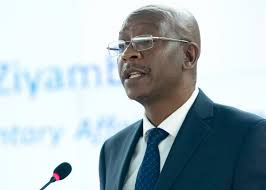
Justice minister Ziyambi Ziyambi on Tuesday presented a memorandum to Cabinet outlining the proposed Constitution of Zimbabwe Amendment Bill, 2026, which includes plans to abolish direct presidential elections, extend presidential and parliamentary terms and alter succession rules.
At the centre of the proposed changes is section 92, which guarantees every eligible Zimbabwean the right to vote for the President.
Under the draft amendment, the President would, instead, be chosen by a joint sitting of Parliament — a move critics say is designed to consolidate power within Zanu PF and curtail the electorate’s influence.
The Bill also proposes extending both presidential and parliamentary terms from five to seven years, potentially allowing President Emmerson Mnangagwa to remain in office beyond 2028.
Legal experts and civil society groups have warned that such amendments may require a public referendum, a step the government has publicly rejected.
“Zanu PF is not seeking to amend the Constitution; it is attempting to introduce an entirely new constitution outside people participation and a referendum; a step it plainly has no right to take,” explained lawyer Thabani Mpofu on X (formerly Twitter).
“Zanu PF is not even acting on the authority of its highest decision-making body, congress. Conference is not congress.”
- NoViolet Bulawayo’s new novel is an instant Zimbabwean classic
- Jah Prayzah, Zanu PF rekindles ‘lost love’
- Bank workers appeal to Ncube for tax relief
- Indosakusa marks 21-year anniversary milestone
Keep Reading
Activist Obert Masaraure rallied Zimbabweans to reject the constitutional overhaul.
“This Bill is not an ‘evolution’; it is a counter-revolutionary strike,” he said.
“We call upon the dispossessed masses to rise in a united front to bury these amendments before they see the light of day.”
Defend the Constitution Platform leader Jameson Timba said Cabinet was not a constituent authority.
“Any constitutional amendment that affects presidential tenure directly implicates the sovereign right of the people to choose their leaders and alters foundational democratic safeguards,” Timba said.
“The attempt to fast-track constitutional change through Cabinet and Parliament while a live constitutional matter is before the Constitutional Court risks undermining constitutional restraint and eroding public confidence in institutions.”
Critics warned that the changes can institutionalise electoral manipulation and weaken safeguards against authoritarianism as seen in other African countries.
While countries such as Malawi have demonstrated democratic resilience with peaceful elections and smooth transfer of power, others, including Tanzania, Madagascar and Cameroon, have experienced election-related violence, coups and authoritarian entrenchment.
In Tanzania, opposition parties were barred from contesting, protests were violently suppressed and the government manipulated results to secure an improbable 98% of the vote, undermining public trust in democracy.
Similarly, in Madagascar, popular protests triggered by social crises led to a military takeover, suspending democratic institutions.
Commentators and activists warn that the constitutional amendment proposals can push Zimbabwe towards the same trajectory, undermining the very democratic gains fought for during the liberation struggle.
Activist Gift “Ostallos” Siziba urged citizens to remain vigilant.
“Zimbabweans must now convene,” he said.
“Silence is not an option when the supreme law of the land is at stake.”
Government critic Jealousy Mawarire said Zimbabwe could not afford to follow the path of regional counterparts, where authoritarian amendments and electoral manipulation have eroded citizens’ rights and destabilised governance.
“I have no problem with any constitutional changes with far-reaching implications for the way a president is elected.
“If the changes are coming from the people and for the people, then put it to the people to decide through a referendum, period!” he said.
Africa’s democratic trajectory in 2025 has been marked by both resilience and backsliding.
While the 2024 “electoral super cycle” saw 13 countries hold elections with peaceful transitions in Botswana, Liberia, Ghana, Senegal and South Africa, widespread dissatisfaction with governance persisted.
In 2025, nine more countries held elections, producing mixed outcomes.
In Cameroon, President Paul Biya (92) secured an eighth term amid low turnout, media suppression and violent post-election crackdowns.
Madagascar and Guinea-Bissau experienced coups, with military juntas suspending democratic institutions, while the Central African Republic saw opposition boycotts and voter intimidation as President Faustin-Archange Touadéra secured a third term after removing term limits.