The government has sounded the alarm over the rapid disappearance of wetlands, warning that these critical ecosystems are being lost at a rate faster than forests, with devastating consequences for biodiversity, water security, and communities’ resilience to climate change.
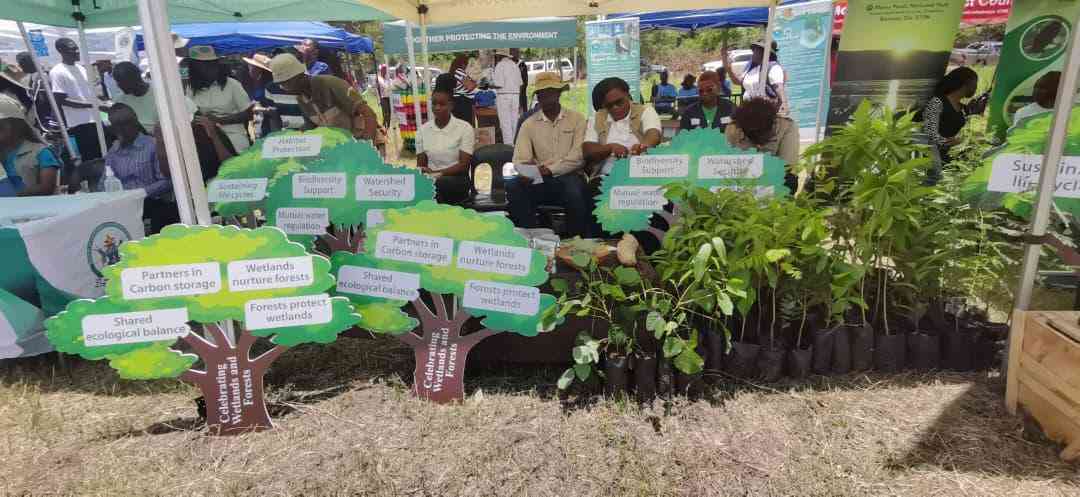
The concern was raised during the 2026 National World Wetlands Day commemorations held at Ditchwe Wetland in Makonde District, where the government urged citizens, local authorities, and developers to halt the destruction of wetlands and embrace both modern policy and traditional knowledge systems in protecting them.
In a speech read on her behalf, Environment, Climate and Wildlife Minister Evelyn Ndlovu said wetlands remain among the most valuable yet most threatened ecosystems on Earth.
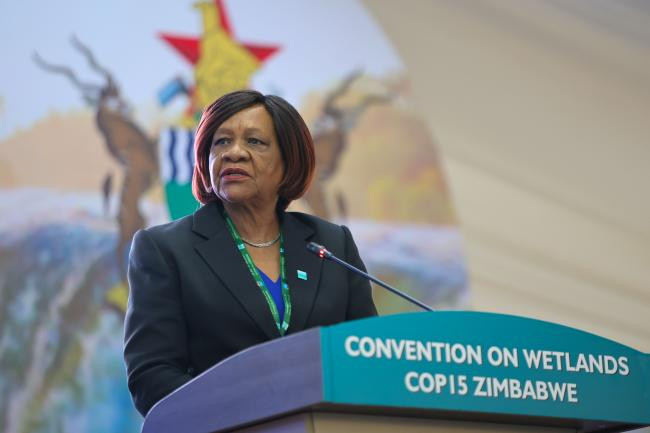
Citing the Global Wetland Outlook 2025, Ndlovu noted that 64 percent of the world’s wetlands have disappeared since 1900, with losses occurring three times faster than deforestation. If current trends persist, up to 20 percent of the remaining wetlands could be lost by 2050.
“Wetlands purify water, regulate floods, recharge groundwater, store carbon, support biodiversity, and sustain livelihoods,” read the speech.
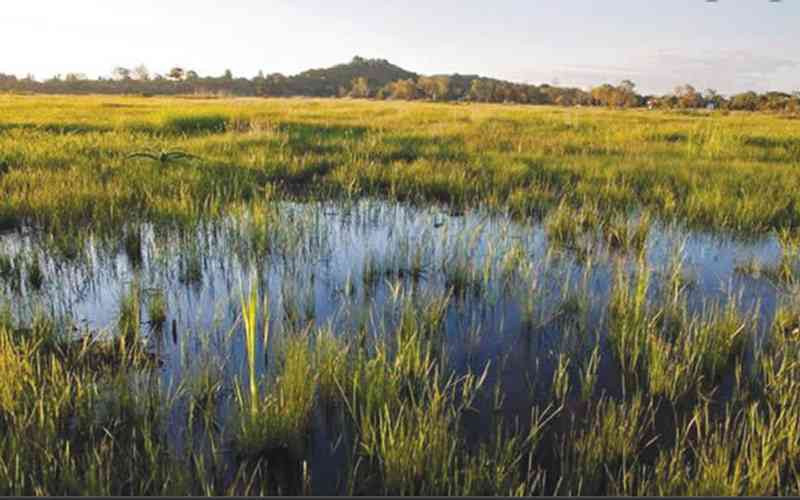
“Yet, despite covering only about six percent of the Earth’s surface, they support nearly 40 percent of all plant and animal species.”
- Veld fire management strategies for 2022
- Stop harassing media for reporting truth
- Veld fire management strategies for 2022
- News in depth: Mnangagwa’s push for $12 billion mining industry imperils communities
Keep Reading
Zimbabwe, the minister warned, is not immune to the crisis. National assessments show that only 17.63 percent of the country’s wetlands remain pristine, while 55.65 percent are moderately degraded and 26.72 percent severely degraded. The increasing incidents of flash floods in urban areas such as Harare and Chitungwiza were directly linked to wetland loss, particularly due to illegal construction and land conversion.
The commemorations were held under the global theme, “Wetlands and Traditional Knowledge: Celebrating Cultural Heritage,” highlighting the role of indigenous practices in conserving wetlands long before modern environmental laws.
“Long before wetlands were defined scientifically, our communities understood them as matoro, mapani, zvitubu, masensa, and amaxhaphozi — sacred spaces governed by cultural norms and taboos,” Ndlovu noted.
She stressed that indigenous knowledge systems remain relevant and effective.
The event also carried international significance, as Zimbabwe currently holds the presidency of the 15th Conference of the Contracting Parties (COP15) to the Convention on Wetlands, following the successful hosting of the global summit in Victoria Falls last year.
As COP15 president, Zimbabwe is expected to lead by example in implementing resolutions that promote the integration of traditional knowledge into wetland governance.
The minister said the government has established a comprehensive policy framework for wetland protection, including the Environmental Management Act, the National Wetlands Policy, the Wetlands Masterplan, and management guidelines for all stakeholders.
Under the National Development Strategy 1 (NDS1), and with support from the Environmental Management Agency (EMA), Zimbabwe has backed 92 community-led wetland restoration projects covering 31,082 hectares, supporting livelihoods such as farming, fisheries, beekeeping, and water harvesting.
Several community success stories were highlighted, including Ditchwe Wetland Forest in Makonde, Ntunjambila and Gulathi wetlands in Matobo, and Mazvihwa wetlands in Zvishavane, where traditional leadership and cultural norms have helped revive degraded wetlands.
Looking ahead, Zimbabwe has committed to restoring 250,000 hectares of degraded wetlands and designating five new Ramsar Sites by 2030, adding to the seven sites already listed.
As celebrations concluded at Ditchwe Wetland, the government reiterated its call for collective action, warning that continued wetland loss threatens not only ecosystems but also national development.
“When we protect a wetland, we protect a source of life,” Ndlovu said.
“When we honour traditional knowledge, we honour our ancestors and secure our children’s inheritance.”
The future of wetland conservation lies in blending modern science with ancestral wisdom. By combining satellite monitoring, geographic information systems, climate modelling, and enforcement tools with traditional taboos, sacred site protection, and community stewardship, Zimbabwe can safeguard its wetlands more effectively.
When technology amplifies traditional knowledge rather than replacing it, wetlands are not only preserved as ecosystems, but protected as living cultural landscapes that sustain livelihoods, strengthen climate resilience, and secure the nation’s environmental heritage for generations to come.