SHADOWY networks are allegedly recruiting Zimbabweans from different parts of Matabeleland before transporting them to South Africa, where they are reportedly issued “false” identity documents before being deployed to fight in the Russia-Ukraine war as “South African nationals”, investigations by NewsDay have revealed.
Investigations revealed that the clandestine operation relies on local agents based in Bulawayo, who target unemployed youths, luring them with promises of lucrative overseas jobs.
Recruits are first moved to South Africa, mainly through KwaZulu-Natal, where they are issued fraudulent identity documents before being flown to Russia to join mercenary groups.
Once their identities are altered, tracing them becomes almost impossible even in death.
Families are left in anguish when official records list their relatives as South Africans, erasing their true identities and complicating efforts to locate, bury or claim benefits for loved ones killed or injured on the battlefield.
The recent death of Mandla Ncube, a Zimbabwean killed in Ukraine’s Donbas region while fighting for Russian forces, brought the shadowy network into sharp focus.
However, relatives said the documentation presented to them after his death identified Ncube as a South African national.
“We were shocked. That is not who he was. It felt like he had disappeared even in death,” one of the close relatives said.
- Zim headed for a political dead heat in 2023
- Record breaker Mpofu revisits difficult upbringing
- Tendo Electronics eyes Africa after TelOne deal
- Mbavara eyes to resurrect Matavire’s music legacy
Keep Reading
Sources familiar with the recruitment process said recruits were offered sign-on fees of about US$10 000 before departure, paid either in cash or through informal channels.
“They tell them this is just security work or contract work,” said a source who claimed to have been approached by recruiters in Bulawayo.
“The money is shown upfront to convince them.”
In addition to the sign-on fees, recruits are reportedly promised monthly salaries of up to US$2 500, combat allowances and residency benefits in Russia.
However, due to security concerns and strict exit controls at airports, they are compelled to sign contracts for civilian jobs such as drivers, mechanics, receptionists or cleaners.
This is done deliberately to conceal their true intentions from authorities during departure.
Once an individual is trapped in this secret network, they are booked into a hotel for up to two weeks while undergoing the recruitment process and awaiting visa approval.
During this period, they are thoroughly coached and isolated from friends and family.
Even the time of departure is kept secret.
As a result, many families are completely unaware that their relatives left the country quietly and travelled to Russia.
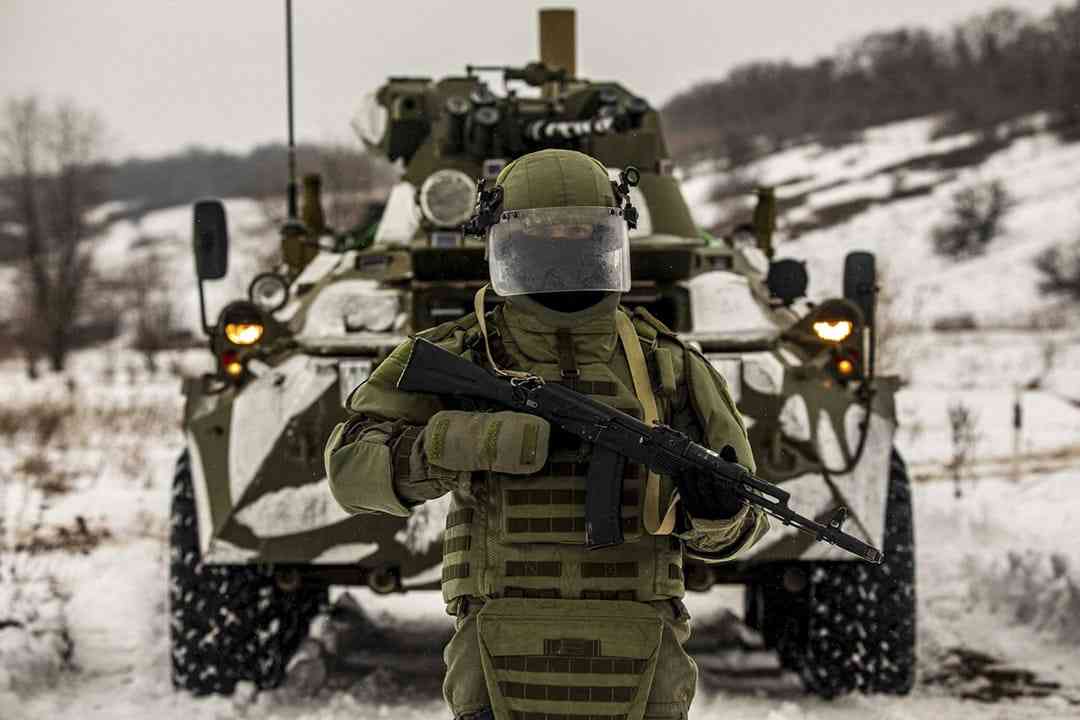
Basic military training when they arrive in Moscow lasts only two weeks, after which recruits are considered ready for deployment to the Ukrainian front, where they face Nato-backed forces.
NewsDay has previously reported on Zimbabweans allegedly trapped in Russia’s Alabuga programme, initially promoted as a skills training initiative, but later linked to military drone manufacturing.
South Africa last year confirmed that it had launched investigations into the recruitment of its citizens into the Russia-Ukraine war amid concerns over illegal enlistment.
Russian embassy officials have defended programmes such as Alabuga Start, describing them as legitimate Russia-Africa co-operation initiatives.
Russia also offers scholarships to Zimbabweans under bilateral agreements.
With no official acknowledgement from authorities, families remain trapped between grief and uncertainty unsure of where their loved ones died, under what name and for whose war.
Bulawayo-based political analyst Isaac Darlington Nyika expressed concern over the matter.
“In view of the recent death of Mandla Ncube on the war front, it’s a sad development and as a result, Africa needs to take a bold stance as Africans are being taken advantage of due to their vulnerability owing to the poor economic situation,” Nyika said.
Journalist Khumbulani Malinga said the media had a responsibility to amplify the issue.
“As journalists, we have a role to play in terms of conscietising our people for them to know the risks they will be putting themselves in by going into a battle front,” Malinga said.
“They need to know that they may lose their lives, like what happened recently to Mandla Ncube.
“So as journalists, we need to amplify that story so that even our government can be forced to take action.”
Seasoned legal consultant Sindiso Mazibisa said the recruitment of foreign fighters raised serious legal concerns.
“So it’s critical that one knows the nature of the contract one is signing, in terms of sign-on fee, terms and conditions, benefits like monthly salary, in terms of insurance in case of injuries, in terms of benefits in case of death,” he said.
“So what I can say from a legal point of view, people should pay attention to detail when being recruited.
“It’s unfortunate that our government no longer pays attention to such contracts because of these agencies.”
The secret recruitment of African nationals to fight in the Russia-Ukraine war is not restricted to Zimbabwe and South Africa alone.
According to credible reports, the journey to Russia through a clandestine recruitment network in Kenya began in early May last year.
Recruitment is conducted strictly through referrals; there is no direct or open recruitment.
The network originated on the streets of Nairobi before spreading to other cities such as Kisumu, Nakuru and Eldoret, as well as towns including Kiambu, Murang’a, Nyeri and Meru.
The first requirement is possession of a Kenyan passport, followed by medical examinations and finally the signing of a contractual agreement.
According to reports from Kenya, 15 Kenyans were recruited early December.
Eight of them completed training and were deployed.
Alarmingly, immediately after reaching the Ukrainian side, all eight went offline without warning.
Many of the Africans recruited are Kenyans and Nigerians, but the syndicate appears to be spreading rapidly across east and central African countries.