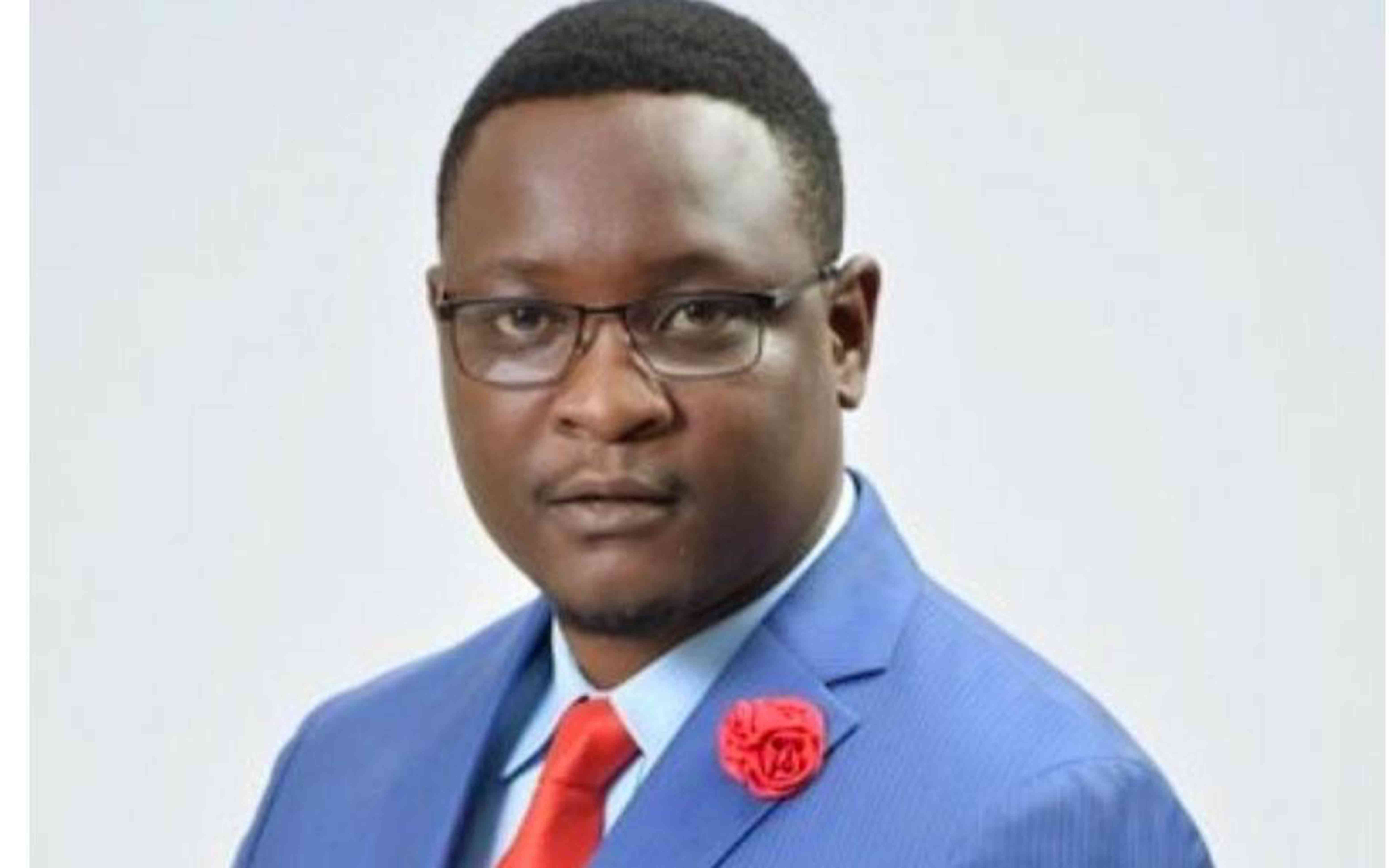
FORMER Zanu PF member and Suthisa Ilizwqe-Gutsaruzhinji (Si-G) president Sybeth Musengezi has warned that the ruling party is in already election mode, allegedly positioning itself to manipulate the political system ahead of the 2028 general elections.
Musengezi, who recently launched Si-G, says early mobilisation by Zanu PF, rising corruption and stalled political reforms compelled him to form a new party and begin campaigning immediately, arguing that opposition forces must organise early to counter what he describes as entrenched electoral manipulation by the ruling party.
Speaking to NewsDay after announcing the formation of his political outfit, Musengezi said Si-G would not wait for the proclamation of election dates before engaging voters.
“Zanu PF is in election mode right now as we speak. They are moving around the country holding rallies. What is the purpose if not elections?” he said.
Musengezi’s remarks come as Zanu PF is pushing to extend President Emmerson Mnangagwa’s tenure by two years to 2030 despite civil society organisations and opposition political formations declaring a red line against life presidency.
Once a staunch supporter of Mnangagwa, Musengezi said his fallout with the ruling party followed unfulfilled expectations of reform after the 2017 change of government.
“We wanted a lot of reforms in the party, unfortunately, the system was still rigid. So we expected Mnangagwa to change a lot of things, but I’m actually seeing things getting worse,” he told NewsDay.
He accused Mnangagwa’s administration of failing to term rampant corruption, which he said was being committed with impunity.
- Young vocalist making southern Africa dance
- Through the eyes of a child
- Letter to my people: The million-man marches are back
- Leading during crisis and change
Keep Reading
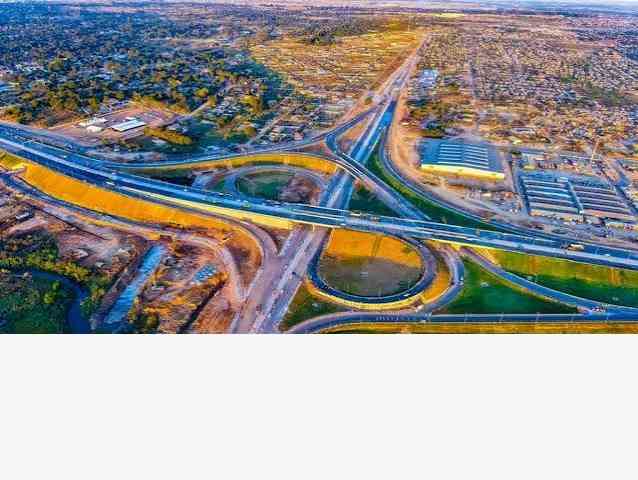
“Corruption is too much. Yes, development is there, but it’s isolated and it’s coming to very few people. If you see roads being constructed, very few companies are doing those things. The owners of those companies are politically-connected,” Musengezi said.
The 2024 Corruption Perception Index (CPI) released last year showed that Zimbabwe is sliding backwards when in fighting graft.
According to the 2024 CPI, Zimbabwe scored 21 out of a possible 100 points, down from 24
points in 2023, highlighting a decline in transparency and accountability.
Zimbabwe performed below the sub-Saharan average CPI of 33 and the global average of 43.
The highest Zimbabwe has scored since 2016 is 24 points.
Musengezi was arrested after challenging Mnangagwa’s legitimacy before he was expelled from the ruling Zanu PF party.
He said there were party members who tried to engage Mnangagwa to no avail.
“This is not what we expected when we took over in 2017,” the politician said.
He urged Mnangagwa to distance himself from individuals involved in what he described as “shady deals” and to focus instead on empowering ordinary citizens.
Musengezi also criticised opposition political parties, accusing them of betraying Zimbabweans.
“I can’t say there is any vibrant opposition in Zimbabwe. The only vibrant opposition leader is Nelson Chamisa,” he said, adding that other opposition leaders prioritised personal interests over people’s struggles.
He said Si-G had begun campaigning nationwide in preparation for the 2028 elections.
“We need at least three years to build a political force that can dismantle Zanu PF. We are not a fly-by-night party,” Musengezi said.
He alleged that Zanu PF rigged previous elections by manipulating electoral processes rather than vote tallies.
Zanu PF has in the past rebutted the claims, saying it was voted for because its policies resonate with the aspirations of Zimbabweans.
Musengezi said his experience as a former Zanu PF member had equipped him to counter the ruling party’s strategies, while ruling out violence as a means to political change.
“There is no other way because we cannot talk of an armed struggle. We cannot talk of protesting. You think they are going to lose power because people have protested? They will just shoot you, as they did in 2018, and then life continues for them. So we want to face them in the ballot,” he said.
In August 2018, six people lost their lives when soldiers fired live bullets at people who were protesting the delay in releasing the 2018 presidential election results. On the day in question, 35 people were injured in the skirmishes.