IN the bustling cities and towns of Zimbabwe, a tale of two worlds unfolds.
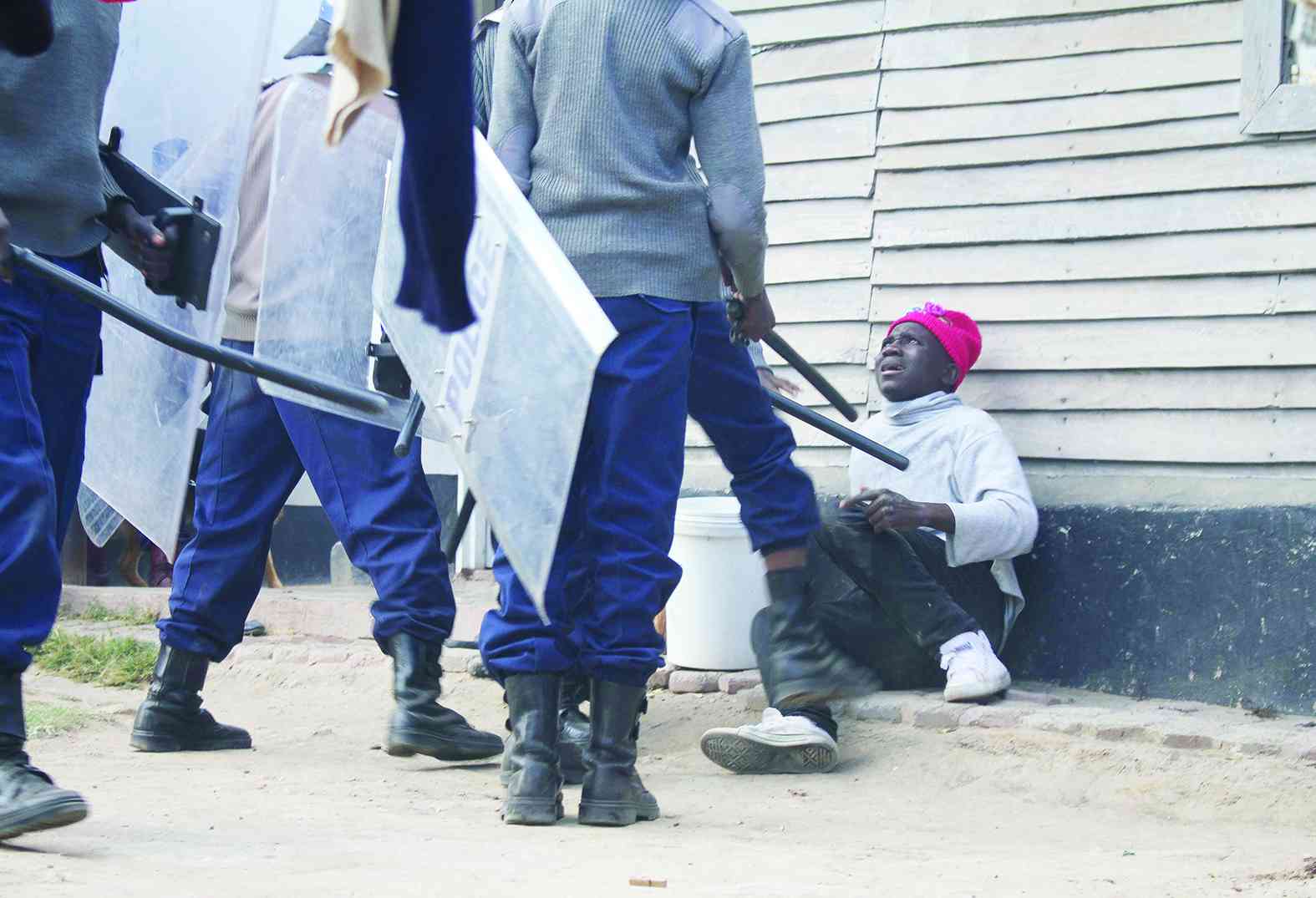
While the government’s recent decision to regularise 30 informal settlements across Harare South, Epworth, Caledonia and Bulawayo province marks a pivotal moment in urban policy, signalling a paradigm shift towards formalising these spaces, the path to this transition has been anything but smooth, fraught with challenges and complexities.
This in-depth feature story explores the intricate web of issues surrounding Zimbabwe’s rapid urbanisation, shedding light on the perspectives of development and environmental experts as well as the diverse voices of those living in informal or emerging settlements.
At the heart of this transformation is the profound effect of rapid urbanisation.
Elijah Mutemeri, a renowned urban planning expert, illustrates the complexities involved.
“The influx of rural migrants to urban centres has outpaced the government’s capacity to provide adequate housing and infrastructure,” he explained during a recent conference on climate change and urbanisation in the capital.
This imbalance has led to the proliferation of informal or emerging settlements, where local authorities fronted by land barons carve out acres of space in the absence of formal planning.
- Accident, piracy affected my career: Zembe
- NGO sets project to tackle child marriages
- News in depth: Zimbabweans choke under weight of worsening service delivery failures
- Accident, piracy affected my career: Zembe
Keep Reading
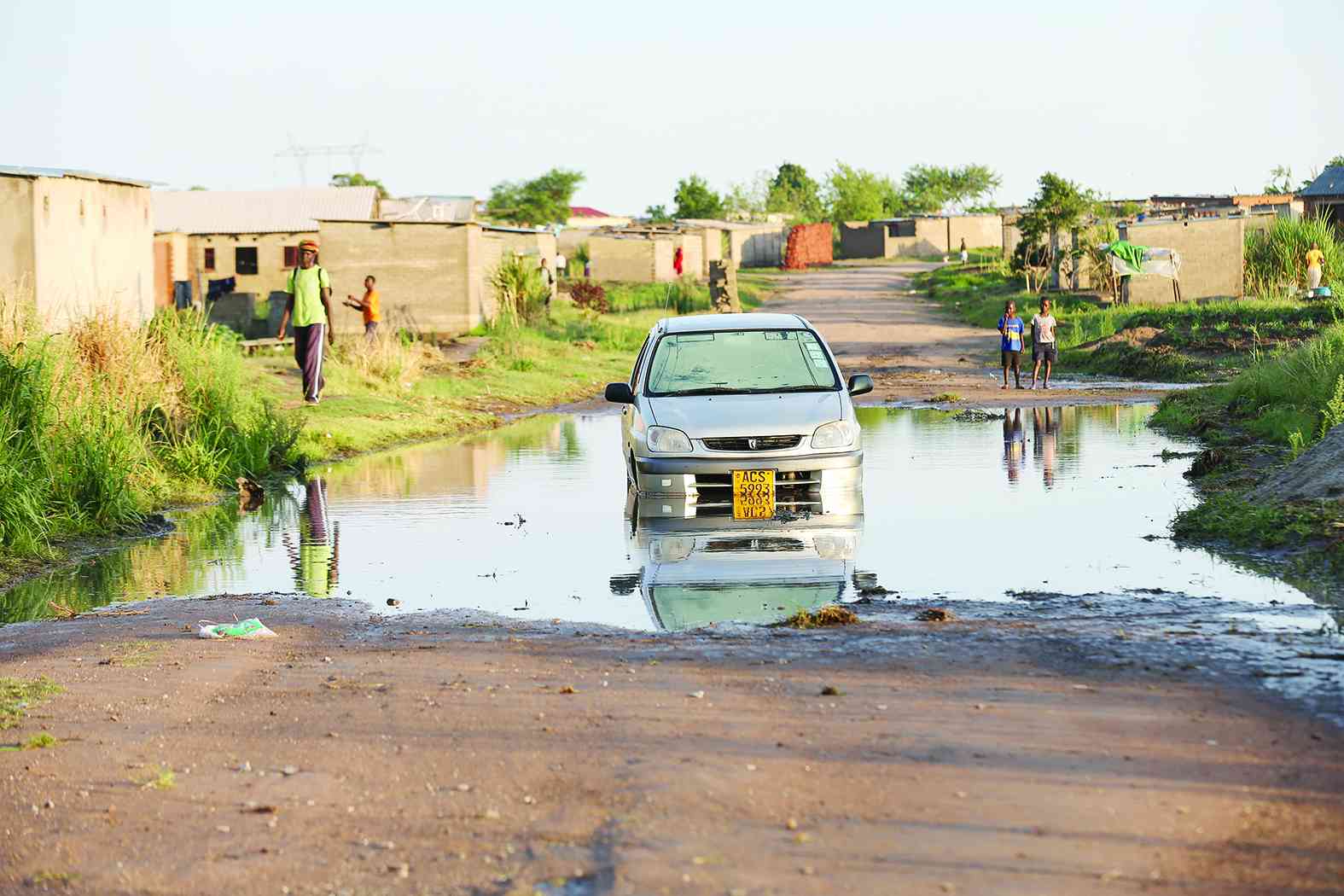
Often pejoratively labelled as “slums”, these informal settlements symbolise the resilience and adaptability of Zimbabwe’s urban dwellers, even as they underscore the deep-seated challenges faced by local authorities.
Mutemeri points out to “land barons” who exploit the housing crisis by selling plots illegally, worsening the conditions in these settlements and damaging crucial environmental zones.
The environmental repercussions of informal settlements are becoming increasingly alarming.
Fungai Mushauri, an environmental activist, emphasised the urgent need for balance between development and conservation.
“The unchecked growth of these settlements devastates our wetlands and ecosystems,” Mushauri warned.
She asserted that as efforts to regularise these areas gain momentum, prioritising sustainable urban planning and environmental protection is essential.
Residents have their own stories to tell, reflecting the complexities of their daily lives.
Rudo Manyonga, a community leader in Epworth, shared: “We didn’t choose to live in these conditions; we had no other options.
“While we welcome the prospect of better housing and infrastructure growth, we fear potential disruptions to our livelihoods and social networks.”
The fears expressed by Manyonga reflect broader concerns about how policies aimed at regularisation may inadvertently unravel the very fabric of community life.
The issue of inclusivity in decision-making is another vital aspect to consider.
Tendai Chikowore, a gender and development expert, highlighted the often-overlooked voices of marginalised groups.
“Policies around urban planning frequently exclude women and the economically vulnerable,” she noted.
To create truly equitable environments, Chikowore advocated for a policymaking process that embraces the diverse needs of all stakeholders, ensuring that no one is left behind.
Despite the challenges surrounding informal settlements, the government decision to regularise these areas has received cautious optimism from various quarters.
Mutemeri viewed this move as a significant step, but emphasised that it must be part of a comprehensive strategy.
“Regularisation alone is not enough,” he argues.
“We must tackle the root causes of the housing crisis and empower communities in the decision-making process to truly transform these settlements into vibrant, liveable spaces.”
As the dialogue evolves, urban planners for integrating sustainable urban practices assert that there is need to weave in green spaces and efficient transportation to boost community resilience and improve living conditions.
Activist Lila Moyo echoed this sentiment by emphasising community involvement.
“For too long, decisions have been dictated to us rather than made with us,” she stated, advocating for forums where residents can voice their needs and aspirations.
On the economic front, investments in job creation are crucial.
Urban economist Justus Kamara argued that facilitating local economic opportunities will foster community investment and care for the environment.
“When residents can support themselves, they are more likely to invest in their neighbourhoods,” he explained.
Historian Dove Abena Osseo-Sare drew lessons from past initiatives in informal settlement regularisation.
“Successful programmes often prioritise community engagement and education,” she noted, suggesting that learning from previous successes and failures is essential for meaningful reform.
Among community residents, hope for change is tinged with scepticism.
Samuel, a long-time inhabitant in the informal settlement of Caledonia, expressed frustration:
“Promises have been made before. We need tangible action. It’s easy for people in offices to make plans, but we want our voices to be heard,” he said.
His insights highlight a critical gap between policy intentions and real outcomes, underscoring the demand for accountability.
While government’s decision to regularise informal settlements represents a significant step forward, it necessitates a holistic and inclusive approach.
By melding expert insights, community voices and historical lessons, the path ahead can be shaped to cultivate vibrant, sustainable communities.
Dialogues must bridge the gap between policymakers and residents, ensuring that all stakeholders contribute to a more just and equitable urban and sustainable environment.
Only then can the aspiration for thriving, liveable spaces materialise.
As Zimbabwe’s cities, towns and peri-urbans evolve, the journey from informal to formal settlement transformation remains complex.
The ongoing narrative requires a delicate equilibrium between development, environmental stewardship and inclusive policymaking — an endeavour that will undoubtedly shape the future of Zimbabwe’s urban and peri-urban landscapes for generations to come.