CHIRUNDU — Pearson Rambakare still bears the scars of a sulphuric acid spill along Zimbabwe’s Harare–Chirundu highway, five years after an accident that nearly killed him.
A cross-border trader at the time, Rambakare was travelling before dawn when the truck he was riding in caught fire along the Zambezi escarpment after failing to negotiate a sharp curve.
“We bolted out of the truck,” he recalled.
“We watched as it smouldered into ashes. It was terrifying — huge balls of flame engulfed the forest. Rescue teams came, but the damage had already been done.”
The burns left him with permanent facial scars — a daily reminder of the risks faced by communities living along one of southern Africa’s busiest trade corridors.
The Harare–Chirundu highway has increasingly become a hotspot for hazardous waste transit and dumping, with devastating consequences for people, wildlife and fragile ecosystems. Truck drivers and environmental activists say weak controls have turned border towns into dumping grounds for dangerous materials.
Norman Tavazhaka, a long-distance truck driver, said hazardous cargo linked to mining activities in the Democratic Republic of Congo frequently passes through the Chirundu border post.
“There is massive mining in the DRC, and most hazardous materials pass through Chirundu,” Tavazhaka said. “This exposes people and wildlife along the way.”
- 340km of Harare-B/bridge highway revamp complete
- Helping your teen develop good study habits
- 340km of Harare-B/bridge highway revamp complete
- Haulage truck robbers on the loose: Police
Keep Reading
He recalled a recent incident in which sulphuric acid spilled from a truck, torching forest and game park areas and forcing drivers to wait for days on either side of the border.
“At one point, we spent several days following the spillage,” he said.
“The forest was burning.”
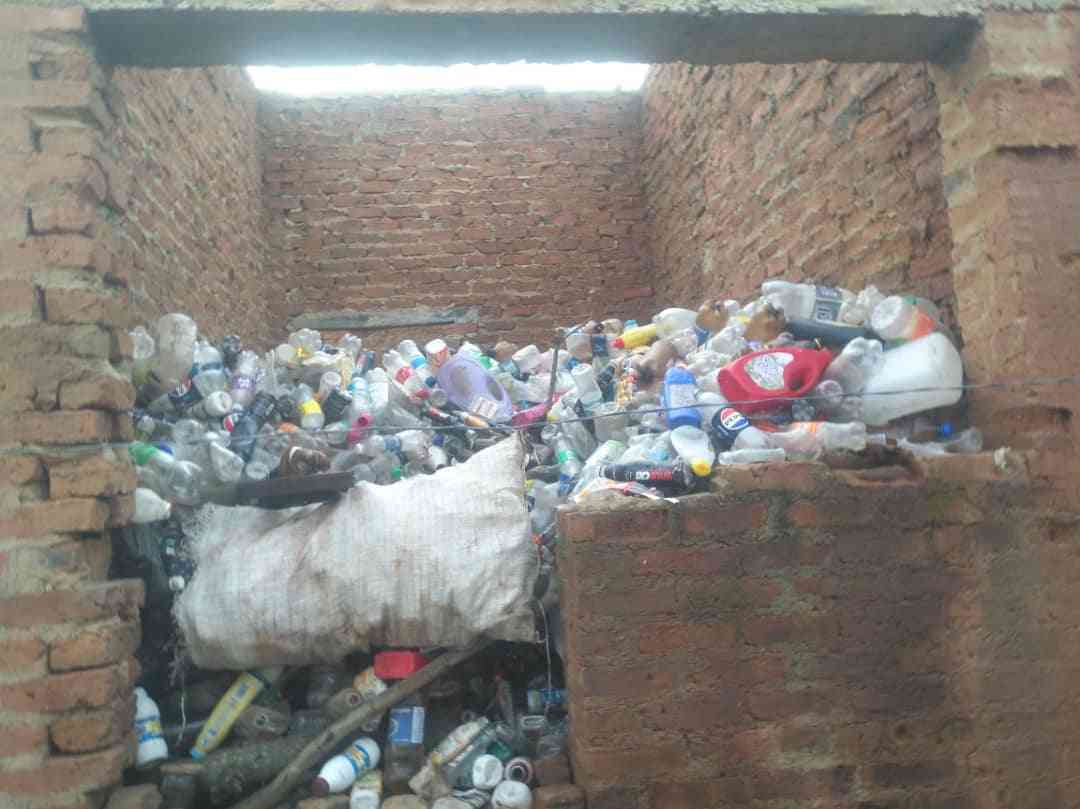
Beyond industrial waste, plastic pollution has compounded the crisis.
Dumpsites over second-hand trading
On Mondays and Fridays, Zambian traders cross into Zimbabwe with second-hand clothes and shoes, leaving behind mounds of discarded packaging and plastic waste.
“These business ventures have left deep scars on our environment,” said Future Nyikadzino, chairperson of the Marara Recycling Project, a community waste management group in Chirundu. “Whenever they come, we are left with hordes of garbage, including plastics that endanger wildlife.”
Nyikadzino leads a 12-member volunteer group formed in 2018 that cleans up dumping sites without financial support.
“Our thrust is to clean the environment. It’s our passion,” she said.
She also blamed long-distance truck drivers stranded at the border for days, saying some dispose of litter indiscriminately.
“Some use plastic bottles to relieve themselves and throw litter everywhere,” she said. “It’s a pity we have to clean up these areas.”
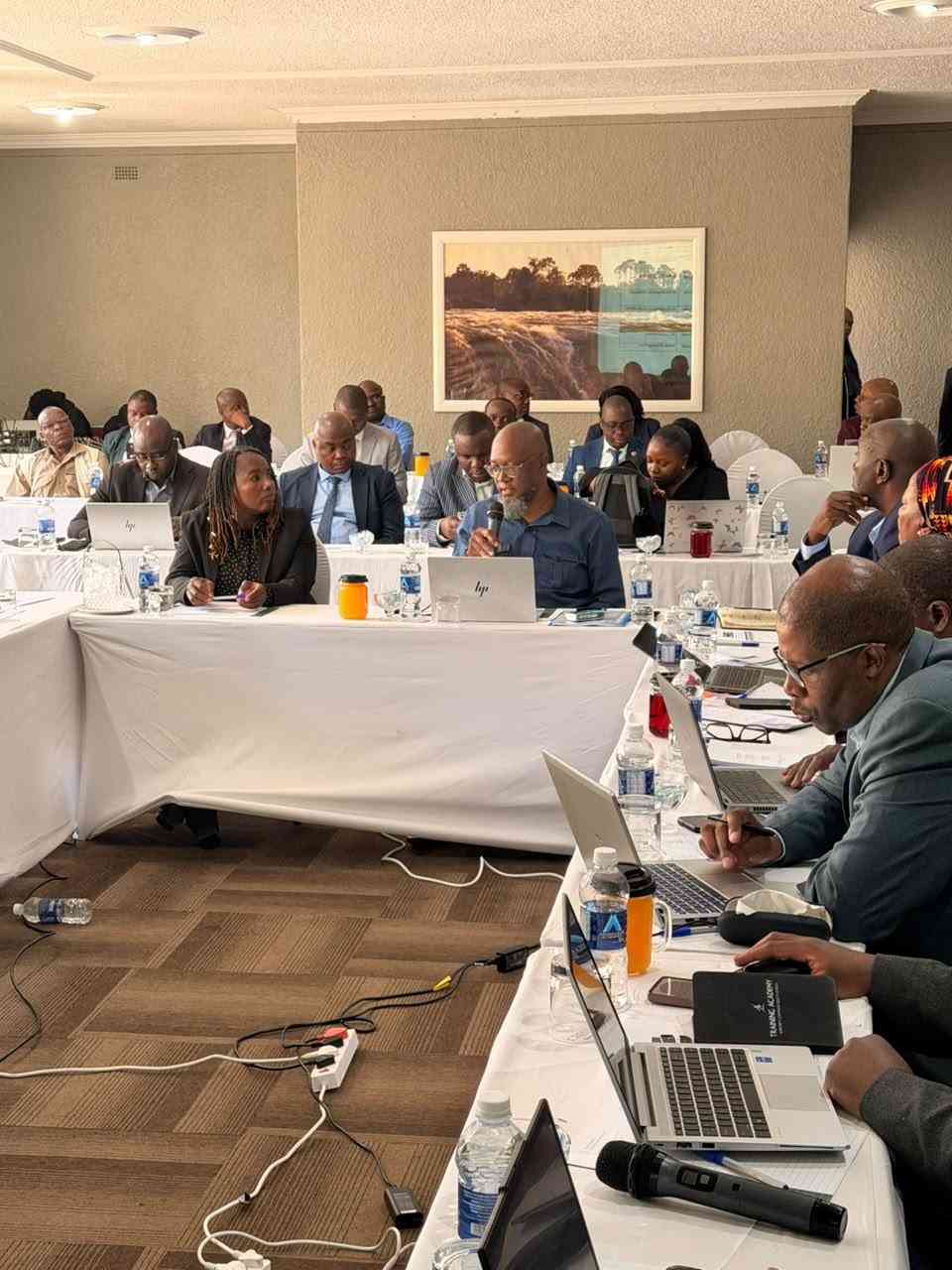
An investigation conducted under the Journalists for Human Rights fellowship on hazardous waste and environmental governance highlights how poor waste handling has already taken a deadly toll. Several years ago, elephants died after ingesting plastic waste near the Chirundu border post.
“The jumbos consumed plastics,” Nyikadzino said.
Hard lesson
“The hard lesson is that the community is part of the crisis — and must be part of the solution — urgently.”
Never Gariromo, an expert with the Institute of Sustainability and Development Finance, said Zimbabwe’s Environmental Management Agency (EMA) lacks the capacity to respond effectively to hazardous waste incidents.
“EMA is a regulatory body that must enforce environmental protection policy,” he said. “Unfortunately, Zimbabwe has only one officer per district, including border districts.”
Huge gap
Gariromo called for the establishment of a fully-fledged waste management department within the Ministry of Environment, arguing that hazardous waste policing and controls are misunderstood and under-resourced.
“People misrepresent EMA as being responsible for waste management itself,” he said.
“This is a huge gap.”
He also urged authorities to ban non-biodegradable products such as disposable diapers, which he described as hazardous waste due to their chemical composition and disposal challenges.
Amkela Sidange, EMA’s Environmental Education and Publicity Manager, acknowledged that plastic waste remains widespread across highways, rivers, service centres and urban areas.
“Common plastic waste includes plastic bags, PET bottles and food packaging,” she said.
Sidange said Zimbabwe has policies and laws in place, including the Environmental Management Act and supporting statutory instruments, and has banned thin plastic bags and expanded polystyrene products.
“There are offices at ports of entry to enforce compliance,” she said, adding that enforcement remains difficult.
“The problem lies in rampant littering, ingestion by livestock and wildlife, clogged storm drains, and microplastics in water and soil,” Sidange said.
Zimbabwe is a signatory to the Bamako Convention, a regional treaty designed to protect Africa from the import of hazardous and radioactive waste. Proper implementation could strengthen controls along transit routes such as Harare–Chirundu, improve tracking of hazardous waste movements and reinforce the “polluter pays” principle.
Call for tighter controls
Alex Mangwiro, regional coordinator for Chemicals, Waste and Air Quality and Programme Management Officer for the Bamako Convention at UNEP, said Zimbabwe’s implementation of the convention is not affected by its landlocked status.
“As a transit country on key regional transport corridors, Zimbabwe focuses on controlling the import, export and transit of hazardous waste through regulatory oversight, customs controls and inter-agency coordination,” Mangwiro said in a written response.
He noted that the convention applies equally to coastal, landlocked and transit states, recognising that illegal hazardous waste trafficking often uses inland routes.
“Zimbabwe’s role therefore centres on border controls, monitoring transboundary movements, preventing illegal traffic, and sharing information with the Secretariat and neighbouring countries to support regional compliance,” Mangwiro added.
However, experts say Zimbabwe struggles to detect illegal trafficking due to limited technical capacity at its borders. Persistent funding shortages, outdated monitoring equipment and the absence of digital clearing-house systems undermine information sharing with neighbouring countries.
The lack of a robust national hazardous waste tracking system hampers enforcement and accountability, while responsibilities remain fragmented across ministries. Major hazardous waste sources include medical facilities, industrial processes, e-waste and disposable diapers, with irregular collection forcing communities to resort to open burning and illegal dumping.
As trucks continue to rumble through Chirundu carrying chemicals, plastics and second-hand goods, residents like Rambakare are left to bear the scars — visible and unseen — of a system struggling to contain hazardous waste.