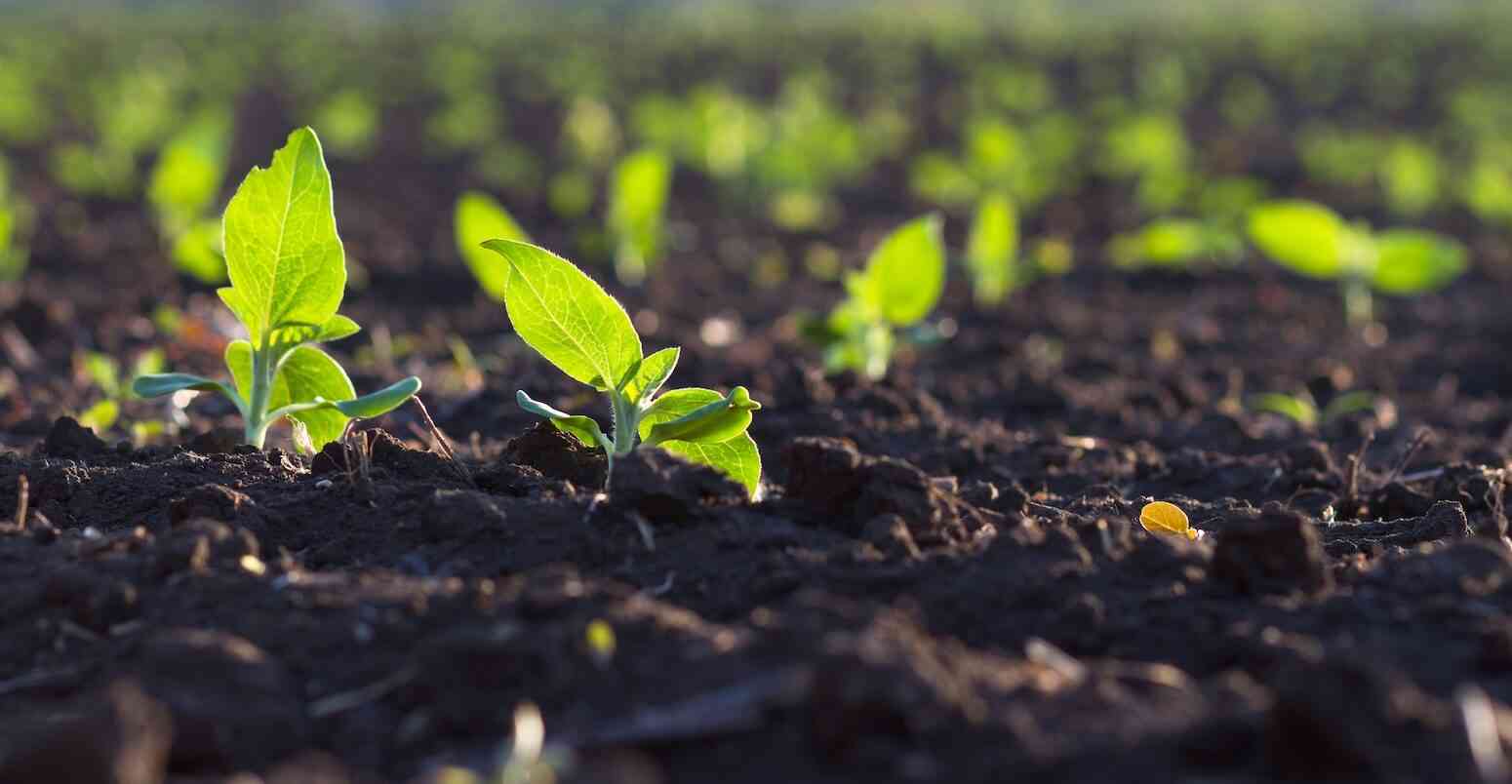
COMBATING the twin scourges of malnutrition and related diseases must begin with revitalising the nation’s soil, a soil specialist has said.
Mazvita Chiduwa, an associate scientist with the International Maize and Wheat Improvement Centre (CIMMYT), made the remarks during World Soil Day commemorations in Chikomba district on Friday last week.
The event was organised by the Zimbabwe Farmers Union in partnership with Women in Farming and Entrepreneurship (WIFE).
WIFE in partnership with Mazvita are advocating for the awareness of soil fertility and empowerment of women in farming.
Chiduwa’s statement reframes the national conversation on agriculture, shifting the focus from sheer production volumes — a long-standing metric of success — to the nutrient density of the harvest.
“Food security is important, but the food should be highly nutritious,” Chiduwa said. “Therefore, the soil should be healthy. It helps to prevent diseases that stem from malnutrition.”
“Everything comes from the soil,” she explained. “The cows and chickens eat from the soil — for us to eat healthily and abundantly, our soil needs to be healthy first.”
This comes against the backdrop of persistent nutritional challenges in Zimbabwe, where access to calorie-rich staples such as maize does not always equate to a diet sufficient in micronutrients like iron, zinc and vitamins.
- Govt refreshes 99-year leases
- High inputs prices worry farmers
- ZFU frets over 2% money transfer tax
- Farmers call for insurance subsidy
Keep Reading
Conditions such as stunting in children and anaemia in women remain public health concerns, often linked to poor dietary diversity and quality.
The scientist’s comments add a critical layer to government’s and development sector’s push for climate-resilient seeds.
While CIMMYT is famed for engineering drought-tolerant maize and wheat varieties, Chiduwa stressed that advanced seeds alone are not a silver bullet.
“When the soil is healthy it produces quality food and this boosts food security,” she said. “That’s how farmers can maintain their yields and sell the surplus.”
She pointed to emerging premium markets that pay more for quality, well-produced goods, suggesting that soil health is not just a matter of public health but also makes economic sense for producers.
Chiduwa praised the recent deployment of mobile soil testing laboratories, a move which brings diagnostic services directly to the fields.
“I remember a time when we had to take the soil to the laboratories,” she said. “Now the laboratories are coming to the soil.”
She also advocated for conservation agricultural techniques — such as crop rotation and minimum tillage — to maintain soil structure and organic matter.
“It is important that after harvesting one should change the crop in order to change the roots, because it keeps the soil healthy,” she advised, adding that disturbing soil too deeply releases stored carbon, harming climate mitigation efforts.
Amanda Munyoro, founder of WIFE, said her organisation was centred on providing food security, food sovereignty and mental health support for women so that they build resilience and become sustainable.
She identified key obstacles for women farmers, including capital for inputs, knowledge gaps, market access and health issues such as high blood pressure.