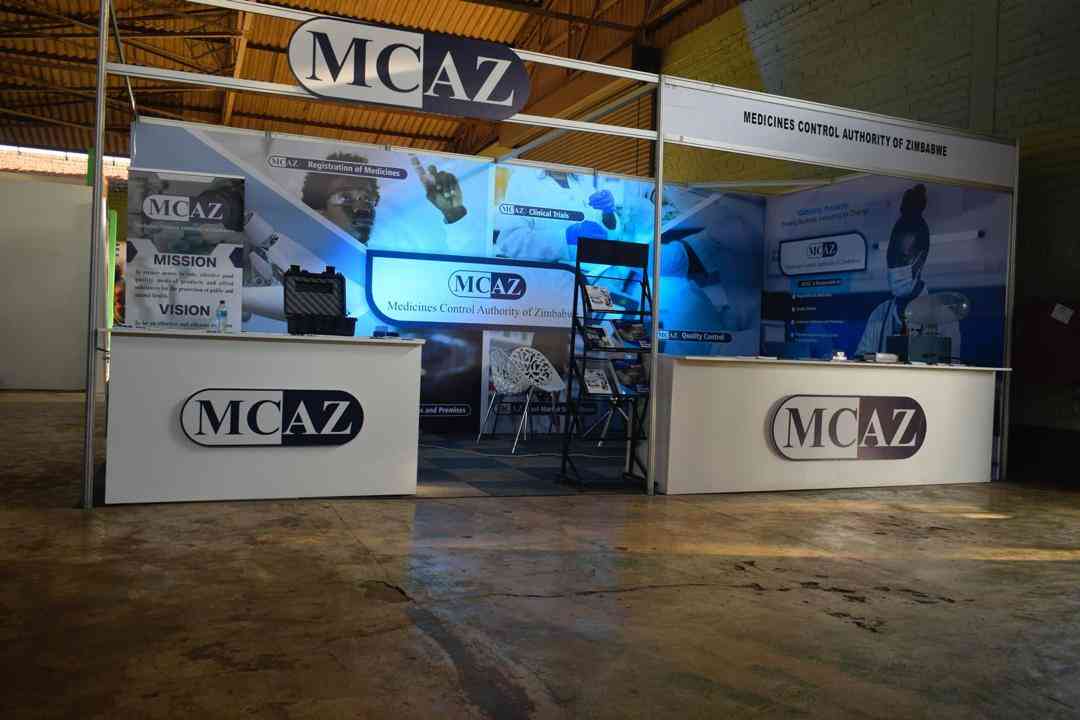
THE Medicines Control Authority of Zimbabwe (MCAZ) is set to embark on an ambitious drive to achieve the World Health Organisation (WHO)'s highest regulatory ranking, following the country’s attainment of Maturity Level 3 (ML3) status, a milestone achieved in the past year.
Speaking at the MCAZ annual general meeting in Harare, Health and Child Care minister Douglas Mombeshora hailed the achievement as a landmark in the nation’s quest for health sector excellence.
Mombeshora announced bold reforms and digital innovations that will propel Zimbabwe towards being a regional regulatory powerhouse.
“This recognition confirms that our national regulatory system is well-functioning, stable and internationally trusted,” he said.
“Zimbabwe now joins a select group of African nations with this recognition, an achievement that reassures our citizens and global partners that medicines, vaccines and medical products in our country meet the highest standards of quality, safety and efficacy.”
WHO’s ML3 status means Zimbabwe’s medicine regulatory system is fully functional and capable of ensuring the quality, safety and effectiveness of medical products.
“Building on this momentum, the government is pushing towards Maturity Level 4 (ML4), the highest global benchmark which will establish Zimbabwe as a regulatory centre of excellence, trusted across the globe.
“In pursuit of this vision, Cabinet has approved principles to amend the Medicines and Allied Substances Control Act [Chapter 15:03], aimed at modernising the legal and regulatory frameworks.
- Zim health system is in intensive care: How it got there
- Measles threat growing
- Take your child for measles vaccination
- Residents cry foul over Ngozi Mine pollution
Keep Reading
The proposed reforms, according to the minister, will “strengthen enforcement powers, combat the scourge of falsified and substandard medicines and ensure full alignment with global best practices.”
MCAZ is embracing innovation, leveraging on artificial intelligence to automate regulatory processes, enhancing efficiency, transparency and responsiveness in medicine evaluation, monitoring and tracking.
“This digital transformation is revolutionising the way medicines are evaluated, monitored and tracked, enhancing efficiency, transparency and complementing this are robust vigilance systems such as VigiFlow and VigiMobile, which allow real-time safety reporting,” he said.
Mombeshora said MCAZ was updating the rules for medicinal cannabis to meet international standards and improve compliance.
“This update will provide a progressive framework for licensing, production and export, balancing economic opportunity with the highest standards of public health and safety,” he said.
Beyond pharmaceuticals, the authority is now steering Zimbabwe’s entry into the medicinal cannabis market, as it reviews Statutory Instrument 62 of 2018 to align with international standards.