THE tarred road comes to an abrupt halt at Ruwangwe Business Centre in Nyanga North constituency, signalling the end of modernity as one proceeds eastwards.
The influx of motor bikes tells a story of a neglected community as transporters shun the route to Kazozo and Mukunza due to a poor road network.
But of late, there is a hive of activity at Kazozo Business Centre in rural Nyanga, thanks to the recent commissioning of electricity by the government to improve the living standards of this community.
The Rural Electrification Fund (REF) injected a whopping US$319 000 into the massive project that has turned around the fortunes of the villagers.
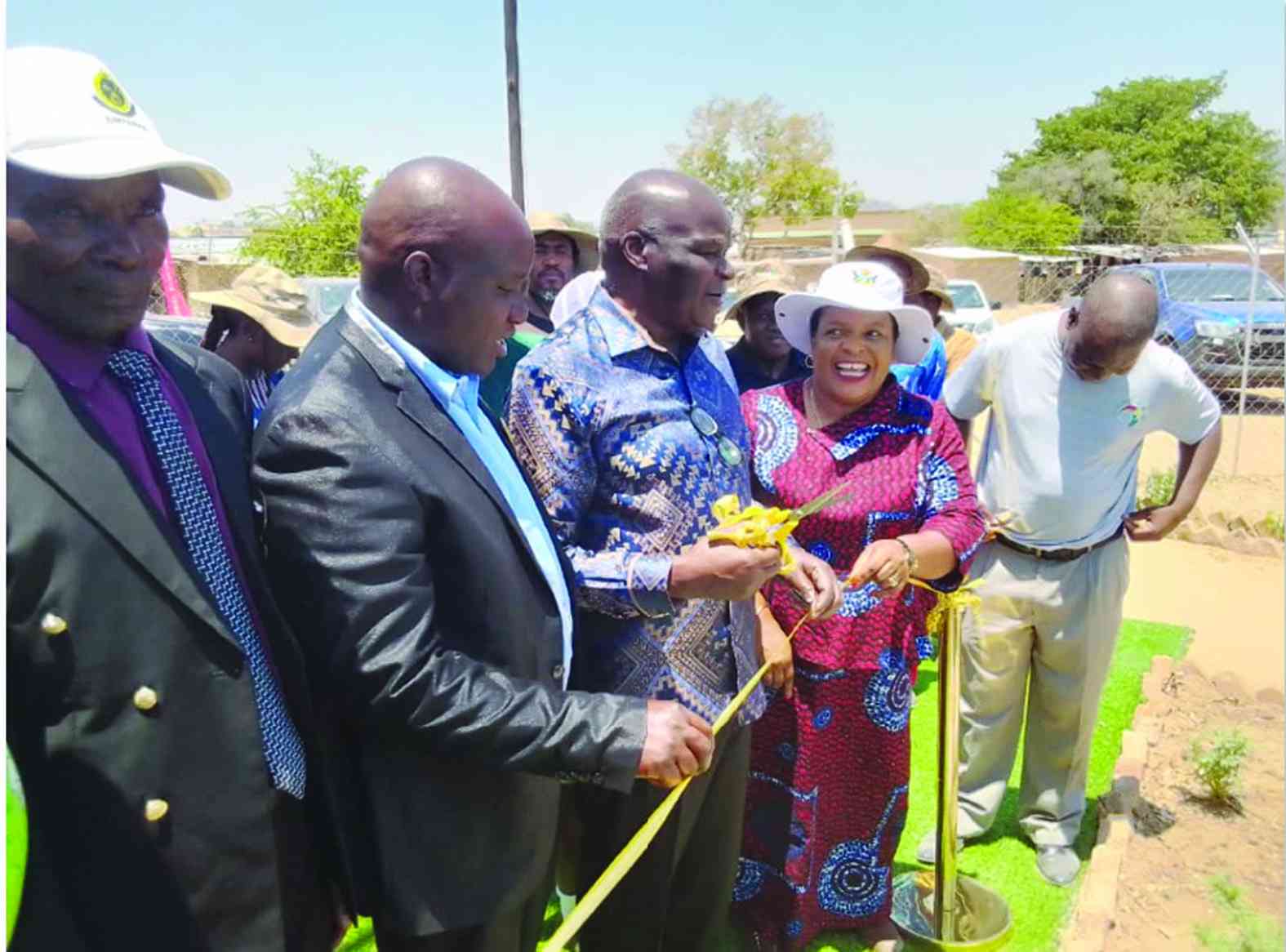
“It is not a secret, this area was marginalised until REF brought electriciqty, it is a big step towards development,” said Nyanga North legislator Chido Sanyatwe during the commissioning of the power project at Kazozo Primary School recently.
For years, this rural community in Nyanga was shrouded in darkness, its shop owners relying on candles and generators to light up their businesses.
Dubbed the Fombe Large Anchor Project, the installation of grid electricity was done in two phases.
The first phase included the erection of a 10,17km of HV line, 1,89km of MV and installation of 1x50kVA and 1x100kVA 33/0.4 substations to electrify five institutions
- News in depth: 'The untouchables': July Moyo gives tycoon, associates 'immunity' from prosecution
- Minister dragged to court over chieftainship
- Editorial Comment: Moyo not protecting residents’ interests
- Govt suspends 6 ChiTown councillors
Keep Reading
These institutions are Mangezi Primary School, Mangezi Business Centre, Kazozo Primary and Kazozo Secondary schools, and Kazozo Business Centre.
“I have started a welding business here (Kazozo), and business is good these days as farmers prepare for the rainy season,” said 42-year old Maxwell Sandikonda.
“Before the switching on of electricity, people here would travel to Ruwangwe or Nyanga town for simple and small welding business.”
The Phase 2 project saw the erection of a 7,2km of HV line, 0,932km of MV and installation of 2x25kVA 33/0.4 substations to electrify three institutions.
These are Mukunza Rural Health Centre, Mukunza Primary School and Makunike Business Centre.
“We can now have those medicines requiring low temperatures in stock as we now have power for refrigerators,” one of the nurses at Mukunza Clinic said.
According to REF acting chief executive officer Fellistas Makumbinde, a total of 234 institutions have been electrified in Nyanga district alone between January and September this year.
“We have achieved a lot in Nyanga district in terms of electrifying rural institutions,” she said.
“These include traditional leaders’ homesteads, village units and Agritex offices, among many others.”
The recent Nyanga power project falls within Chief Katerere’s jurisdiction.
“Our teachers and children have benefited a lot in as far as education is concerned,” the traditional leader said.
“Power availability means that learners in this area can now learn modern subjects, including computers.
“Our teachers do now have power in their houses. I am sure that the pass rate in this area is going to improve.”
Addressing villagers at Kazozo, REF board chairperson Willard Chiwewe said power availability in marginalised rural areas triggers economic development.
“REF has remained consistent with its mandate to deliver power to those formally disadvantaged and neglected communities to promote a new lease of life for them,” Chiwewe said.
“The provision of electricity in rural Zimbabwe has rekindled the hope of many hardworking communities who could not engage in any meaningful business ventures owing to the non-availability of power.
“Many electrified rural service centres have become a hive of activity as rural entrepreneurs are operating such business ventures as welding, dress making, carpentry and hair dressing projects among other business initiatives.”
He added: “Smallholder farmers who benefited from electricity are farming all year round irrigating their fields and some have increased delivery of farm produce to the Grain Marketing Board, a development made possible by the electrification of the formally marginalised communities.”
To date, REF has electrified 11 138 public institutions that include 3 169 primary schools, 1 580 secondary schools, 1 061 rural health centres, 490 government extension offices, 309 chiefs homesteads, 1 356 business centres, 881 small scale farms, 1 305 village homesteads and 987 other related institutions countywide.
A total of six community solar mini-grid projects in six of the rural provinces which are supplying electricity not only for lighting and entertainment but also for business development and agricultural production through irrigation have been installed.
Two community solar mini-grid projects in the other two provinces are in progress and set for completion this year.
Energy and Power Development minister July Moyo urged villagers to jealously guard power in fracture.
“I urge both the community and police to be vigilant and ensure maximum security of power infrastructure,” he said.