Iran was plunged into a complete internet blackout on Thursday night as protests over economic conditions spread nationwide, increasing pressure on the country’s leadership.
While it was unclear what caused the internet cut, first reported by the internet freedom monitor NetBlocks, Iranian authorities have shut down the internet in response to protests in the past.
NetBlocks had reported outages in the western city of Kermanshah earlier in the day, as authorities intensified their crackdown against protesters. The Norway-based NGO Iran Human Rights (IHR) said on Thursday that Iranian security forces had killed at least 45 protesters, including eight children, since the demonstrations began in late December.
Shopkeepers heeded calls from seven Kurdish political groups for a general strike on Thursday, closing their doors in Kurdish regions and dozens of other cities around Iran. The Hengaw rights group posted footage of shuttered shops in the western provinces of Ilam, Kermanshah and Lorestan. It accused authorities of firing on demonstrators in Kermanshah and the nearby town of Kamyaran to the north, injuring several protesters.
Demonstrations reached all 31 provinces on Thursday as the protest movement showed no signs of abating.
In the southern Fars province demonstrators pulled down the statue of the former senior Revolutionary Guards al-Quds force commander Qassem Suleimani – considered a hero of mythical proportions by government supporters. Verified footage showed protesters cheering as the statue came down.
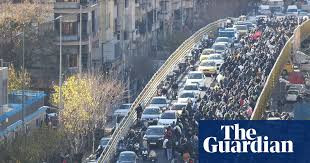
Protests took place into the night Thursday, with a large crowd seen gathering on the vast Ayatollah Kashani Boulevard in the north-west of Tehran amid the sound of vehicle horns honking in support, according to social media images verified by Agence France-Presse. Other images showed a crowd demonstrating in the western city of Abadan. A woman attending a protest in that city late on Wednesday had been shot in the eye, according to IHR.
IHR said Wednesday was the bloodiest day of the now 12-day movement, with 13 protesters confirmed killed. “The evidence shows that the scope of the crackdown is becoming more violent and more extensive every day,” said the IHR director, Mahmood Amiry-Moghaddam, adding that hundreds more had been wounded and more than 2,000 arrested.
- Little Mr & Miss Zimbabwe crowned
- ‘Nec wages hardly reach PDL’
- ‘Nec wages hardly reach PDL’
- Mnangagwa regime on UN radar over abuses
Keep Reading
On Wednesday a police officer was killed west of Tehran trying “to control unrest”, the Fars news agency reported.
Media inside Iran and official statements have reported at least 21 people killed, including security forces, since the protests began, according to an Agence France-Presse tally.
The protest movement is the largest in three years, and while it has not yet reached the size of the 2022 Woman, Life, Freedom demonstrations, it has alarmed Iran’s political and security leadership.
Rights groups accused authorities of resorting to tactics including raiding hospitals to detain wounded protesters. “Iran’s security forces have injured and killed both protesters and bystanders,” said Amnesty International, accusing authorities of using “unlawful force”.
The Iranian president, Masoud Pezeshkian, on Thursday called for restraint in how the demonstrations are handled. “Any violent or coercive behaviour should be avoided,” said Pezeshkian in a statement on his website, urging “utmost restraint” as well as “dialogue, engagement and listening to the people’s demands”.
The trigger for the protests, the sudden slide of the country’s currency and general economic malaise, has made it difficult for the government to address the grievances of protesters. The currency has continued to depreciate, while the government announced the end of a subsidised exchange rate for importers – a move that has already caused the price of groceries to soar.