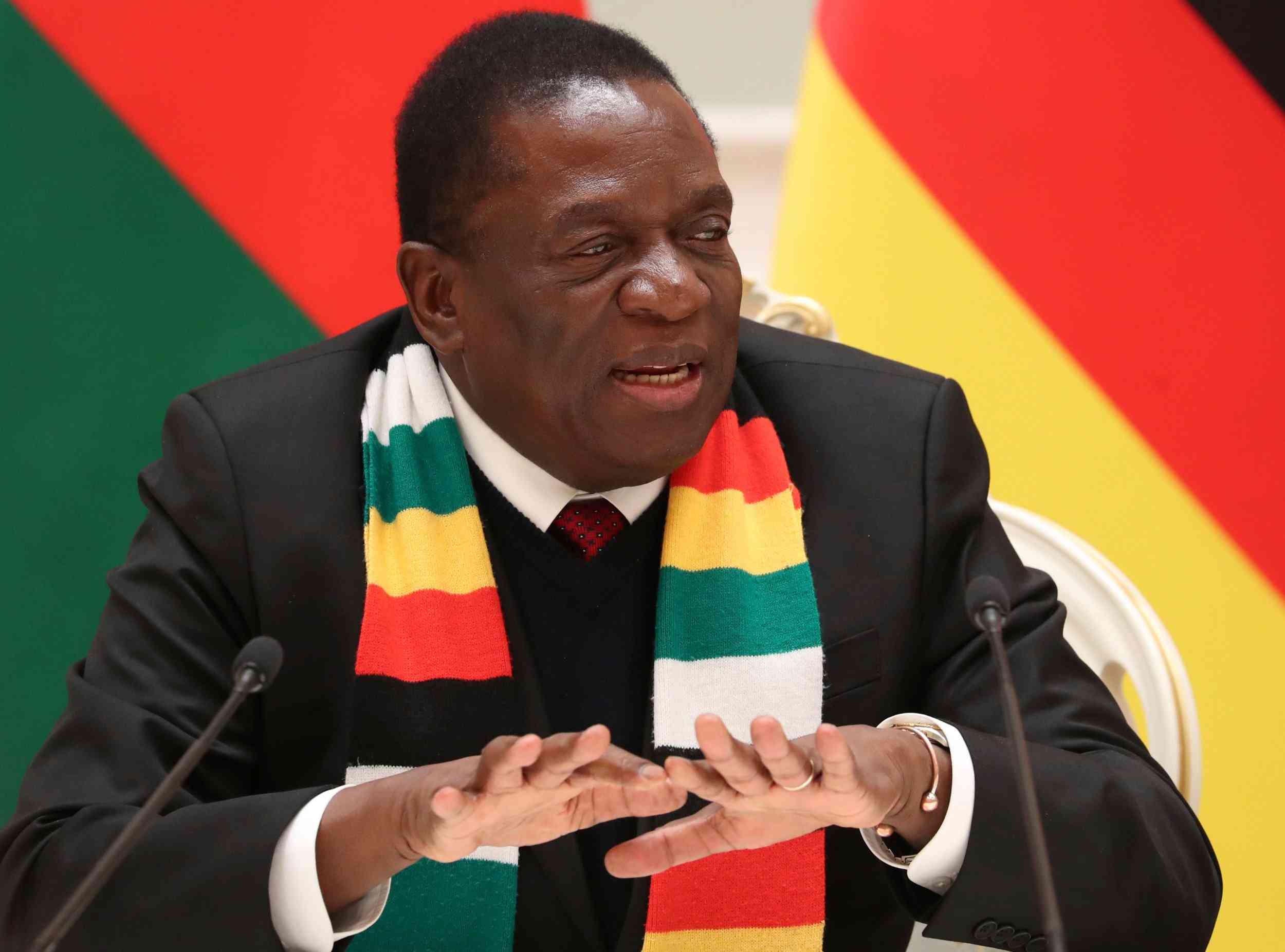
PRESIDENT Emmerson Mnangagwa on Wednesday issued a stern warning to foreign investors who violate the country’s laws, telling them bluntly to “go back to their countries” if they cannot respect Zimbabwean regulations, traditions and customs.
On paper, it sounded like a long-overdue stance.
For years, communities have raised alarm over human rights abuses, unsafe mining practices, environmental destruction and labour violations linked to some investment projects — all while government officials looked the other way.
But a warning without action is nothing more than political theatre.
The President’s remarks came during the National Annual Chiefs Conference in Harare, where he insisted that Zimbabwe welcomes investment, but not at the expense of its laws or its people.
Noble words — except they ring hollow when contrasted with the lived reality in mining towns, farming communities and rural villages across the country.
In October, the Chinese embassy — not the Zimbabwean government — issued a rare, strongly worded advisory to its citizens operating here, urging them to obey local laws, avoid conflict with communities and refrain from environmentally harmful activities.
It is deeply ironic that a foreign embassy was quicker to acknowledge wrongdoing by its nationals than the Zimbabwean authorities supposedly responsible for enforcing the law.
- NoViolet Bulawayo’s new novel is an instant Zimbabwean classic
- Jah Prayzah, Zanu PF rekindles ‘lost love’
- Bank workers appeal to Ncube for tax relief
- Indosakusa marks 21-year anniversary milestone
Keep Reading
And that advisory did not emerge in a vacuum.
It came amid mounting public outrage after multiple incidents involving Chinese-linked investors accused of brutalising workers, running unsafe mines, digging without proper environmental clearances and polluting rivers and grazing land.
In several cases, villagers reported threats, evictions and intimidation — yet the authorities often appeared paralysed, indifferent or unwilling to confront the offenders.
This is where Mnangagwa’s warning collapses under its own weight.
The President came short of naming the very actors who have been at the centre of these abuses — many of whom are politically connected or shielded by powerful local intermediaries.
Investors do not behave with impunity because they misunderstand Zimbabwean law.
They behave with impunity because they have been given permission — quietly, informally and consistently — by authorities who prioritise political relationships and personal gain over national interest.
When an investor knows that a minister, a party official or a well-connected businessman will protect them, they do not fear breaking the law.
When they know that a police report will “disappear”, or that environmental inspectors will look away, or that chiefs and villagers can be overridden with a single phone call, they behave exactly as they have been behaving: with arrogance, violence and entitlement.
That is why abuses continue.
Gun-toting foreign nationals and their security guards terrorising villagers.
Fatal shootings at mining sites.
Workers beaten for demanding their wages.
Communities denied access to their own water sources.
Polluted rivers running black with toxic sludge.
Villagers evicted from ancestral land without compensation.
Mines operating without safety gear, environmental assessments or basic human decency.
These are not isolated incidents — they are symptoms of a governance failure.
If Mnangagwa is serious about defending Zimbabwe’s sovereignty, environment and dignity, the first step is not warning investors.
The first step is changing the government’s own attitude toward accountability.
Laws must be enforced consistently, not selectively.
Investors must face consequences, not protection.
Communities must be heard, not silenced.
Environmental and labour standards must be non-negotiable.
Only then will the President’s warning carry weight.
Because the truth is simple: investors will only respect Zimbabwe if Zimbabwean authorities respect their own laws first.
Until that happens, warnings will remain just that — words floating in the air, while injustices on the ground continue unabated.