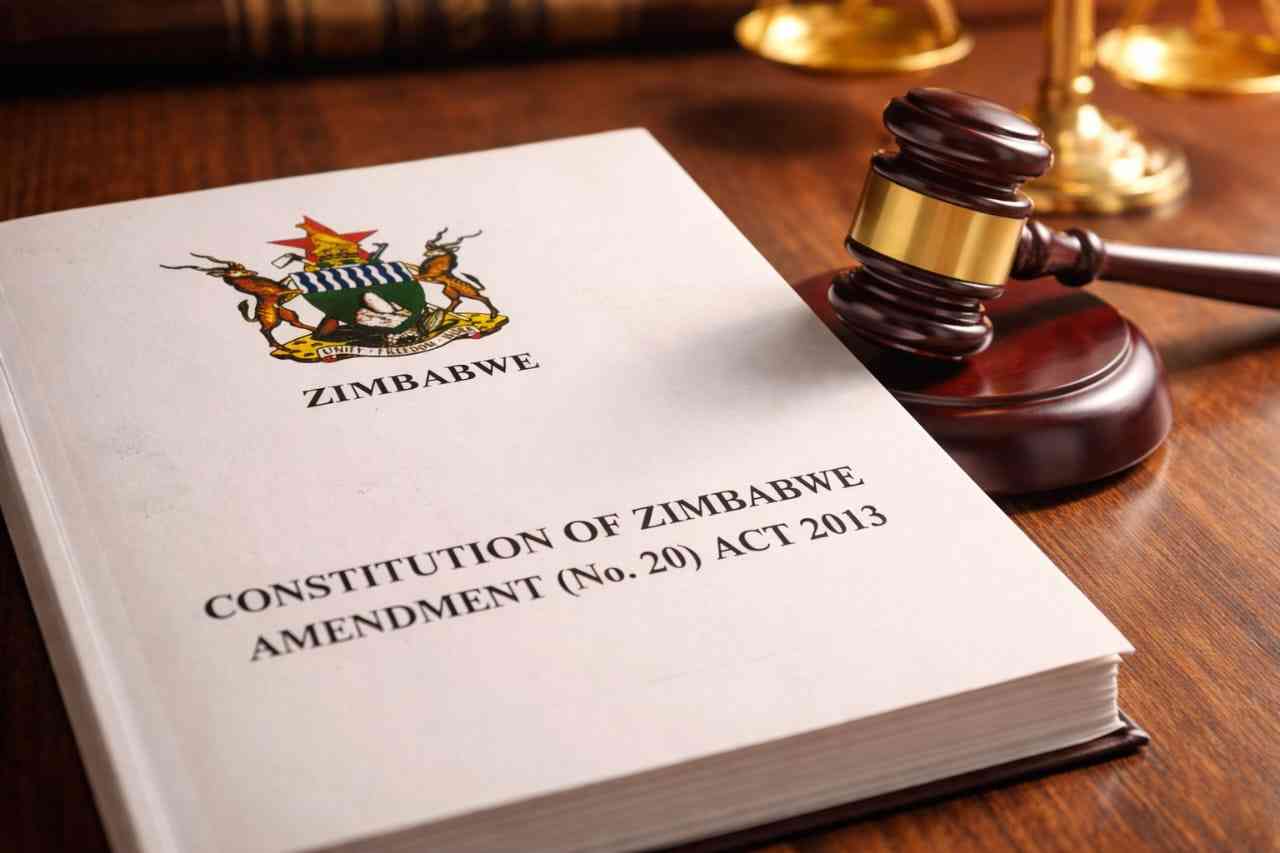
THE Constitution is explicit on one critical safeguard: any amendment affecting presidential terms must not benefit the incumbent. That clause was not inserted as decoration.
It was designed as a democratic fuse — a protection against the temptation of those in power to extend their stay by redesigning the rules midstream.
Yet Zanu PF is pressing ahead with Constitutional Amendment (No. 3), amid growing suspicion that the ultimate objective is to stretch the political horizon to 2030 in a way that advantages the sitting leadership.
This is not a technical debate about drafting language. It is a test of whether constitutionalism in Zimbabwe is substantive or selective.
The supreme law clearly outlines presidential term limits and the conditions under which amendments may be effected.
Most importantly, it anticipates the danger of incumbency abuse and erects a barrier: no sitting President should personally benefit from changes to tenure provisions.
The logic is simple. Rules must apply prospectively, not retroactively to the advantage of those who craft them.
Anything less invites manipulation.
- NoViolet Bulawayo’s new novel is an instant Zimbabwean classic
- Jah Prayzah, Zanu PF rekindles ‘lost love’
- Bank workers appeal to Ncube for tax relief
- Indosakusa marks 21-year anniversary milestone
Keep Reading
What makes the current moment troubling is the apparent willingness to focus narrowly on subsections while ignoring the broader architecture that governs terms and limits.
One cannot dissect the Constitution into convenient fragments. It must be read as a whole. Its spirit is as binding as its text.
When constitutional amendments are pursued in a political climate already charged with succession anxieties, motives matter. And the optics are unavoidable: if changes align neatly with the political longevity of the incumbent, public trust erodes.
Even Jacob Mudenda, Zanu PF’s secretary for administration, has conceded that the party faces what he calls “a war” to persuade both members and citizens to accept the proposed amendments.
“We have to fight a new war now,” Mudenda said.
“The new war is the Constitutional Amendment No. 3 Bill.”
The language is revealing. Constitutional reform should not resemble a battlefield.
If the amendment were self-evidently in the national interest, it would not require mobilisation framed in the rhetoric of combat. Citizens would be persuaded by reason, not rallied for war.
A constitution is a social contract, not a campaign slogan.
At the centre of this storm is President Emmerson Mnangagwa. He has repeatedly described himself as a constitutionalist, pledging fidelity to the supreme law and affirming that when his time comes, he will step aside.
That commitment now faces its most serious credibility test.
He should never be a beneficiary — direct or indirect — of amendments that alter the framework of presidential tenure. Even the perception of personal advantage is corrosive.
Constitutional democracies depend not only on legality, but on legitimacy. Once citizens suspect that the rules are being recalibrated to favour incumbents, the moral authority of governance weakens.
Yes, Zanu PF commands a two-thirds majority in Parliament, but constitutionalism is not a numbers game. Majorities are powerful, but they are not infallible.
The Constitution was drafted precisely to prevent temporary political dominance from hardening into permanent political control.
Term limits are meant to be uncomfortable. They are designed to compel renewal, to ensure that institutions outlive individuals, and to guarantee that no leader becomes indispensable.
If after decades in power the system cannot function without altering tenure rules, that signals institutional fragility, not national necessity.
The 2030 push, whatever its formal justification, must not yield personal benefit to those currently in office. Amendments affecting tenure must apply to future officeholders, not to those who stand to gain from their passage.
There should be no exceptions. Not for stability. Not for continuity. Not for political convenience.
To follow the Constitution “to the letter and to the spirit” means embracing its restraints, especially when they limit one’s own power.
If the firewall against incumbency advantage is breached, the damage will extend far beyond one election cycle. It will signal that constitutional rules are negotiable whenever political survival is at stake.
And once that line is crossed, the Constitution ceases to be a safeguard.
It becomes an instrument of incumbency.