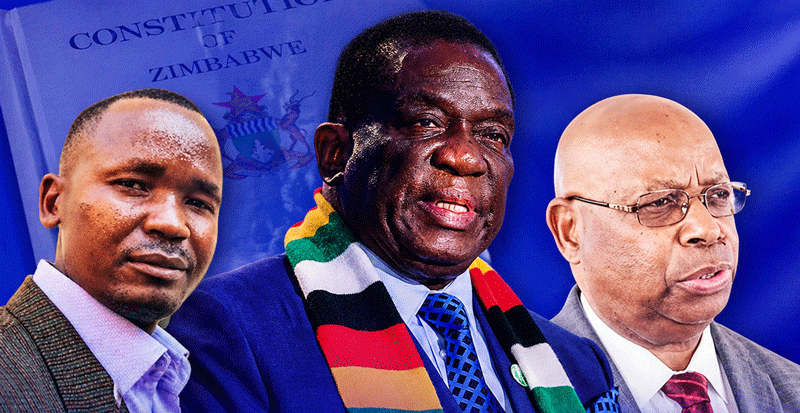
President Emmerson Mnangagwa’s government is making it almost impossible for Zimbabweans with opposing views to openly discuss proposed amendments to the constitution before they are sent to Parliament for approval.
Last month Parliament gazetted the controversial Zimbabwe Constitution Amendment No.3 Bill with the expectation that it would be debated publicly for 90 days as envisaged in the country’s supreme law.
The bill proposes wide ranging changes to the 2013 constitution, but it is the intention to scrap the 2028 elections that has caught the eye of many and is dominating public debate.
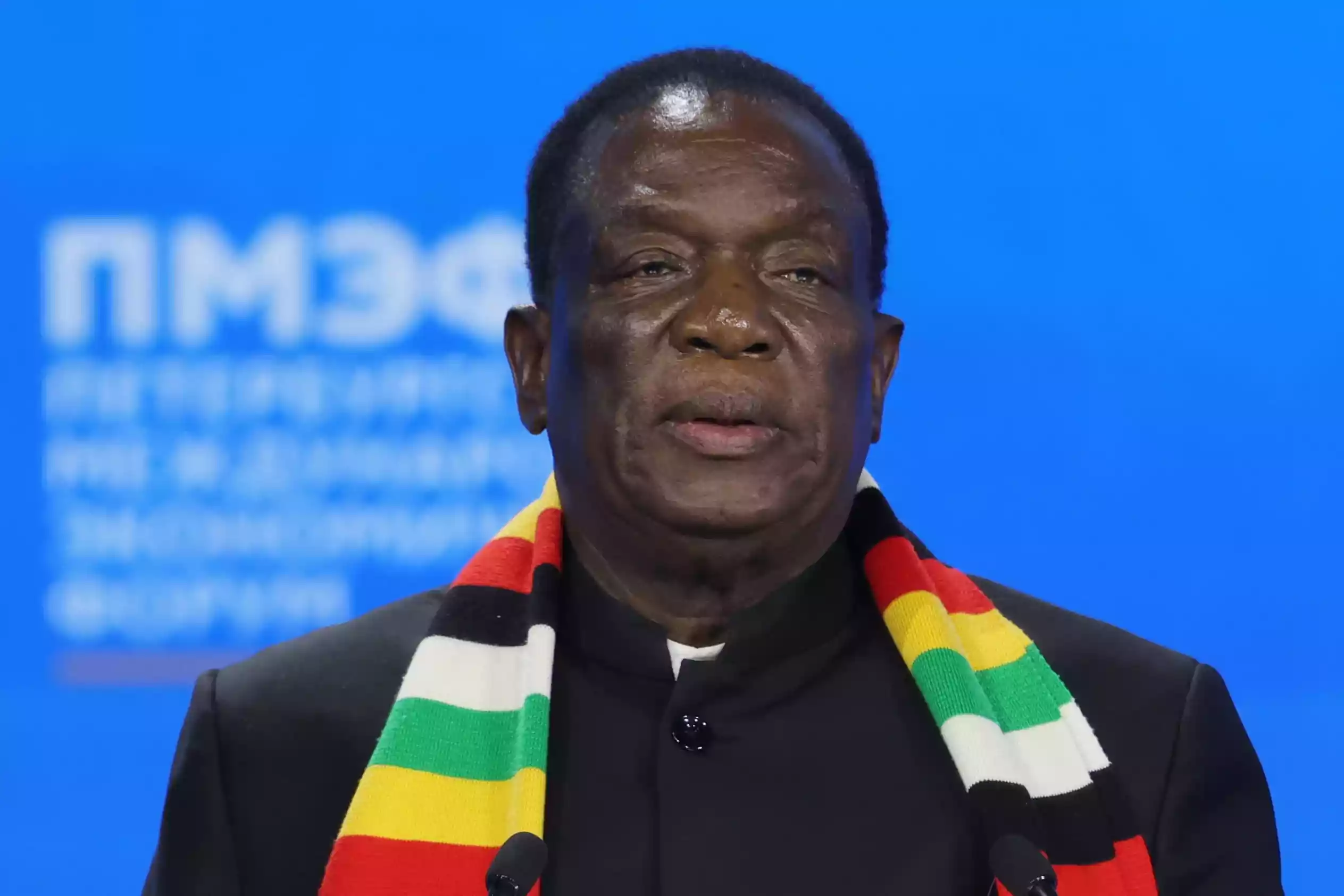
Mnangagwa’s Zanu PF is pushing for the extension of the 83-year-old ruler’s current term that should end in two years so that he can remain in power until 2030.
The ruling party also wants the current senators and MPs to remain in office beyond 2028 and it is counting on its parliamentary majority as well as a captured opposition to through the amendment.
While Zanu PF has been convening meetings to explain the amendments to its supporters, police have been denying those against the changes to the constitution permission converge.
State security agents have also been implicated in incidents where organisations that are vocal against the amendments have been targeted and their leaders and membership severely assaulted.
On March 1, armed men who were allegedly accompanied by police officers forced their way into the Harare offices of Lovemore Madhuku’s NCA political party and violently attacked several participants.
- Corruption Watch: Get scared, 2023 is coming
- Corruption Watch: Get scared, 2023 is coming
- Letters: Ensuring Africa’s food security through availability of quality seeds
- Is military's involvement in politics compatible with democracy?
Keep Reading
Madhuku, a constitutional lawyer, was badly injured in the attacks. Last week, police sealed the offices of another constitutional lawyer Tendai Biti’s offices in Harare.
Biti, who is the convenor of the Constitution Defenders Forum (CDF), said his driver was assaulted by the police during the disturbing incident.
Police’s actions were meant to disrupt the official launch of the CDF, whose leadership was eventually unveiled at a secret location the same day.
The actions by the police are contrary to Mnangagwa’s often repeated claims that he is a constitutionalist.
Attacks against those opposed to the amendment of the constitution are a blatant violation of the rights to personal security, freedom of expression and peaceful assembly, which are expressly guaranteed in the constitution.
If Mnangagwa is indeed a constitutionalist, he must immediately read the riot act to the institutions that are brazenly violating the constitution by preventing public debate on the proposed constitutional amendments.
The president should demonstrate that he is not afraid of his own people by allowing them to ventilate their position on how they want to be governed.