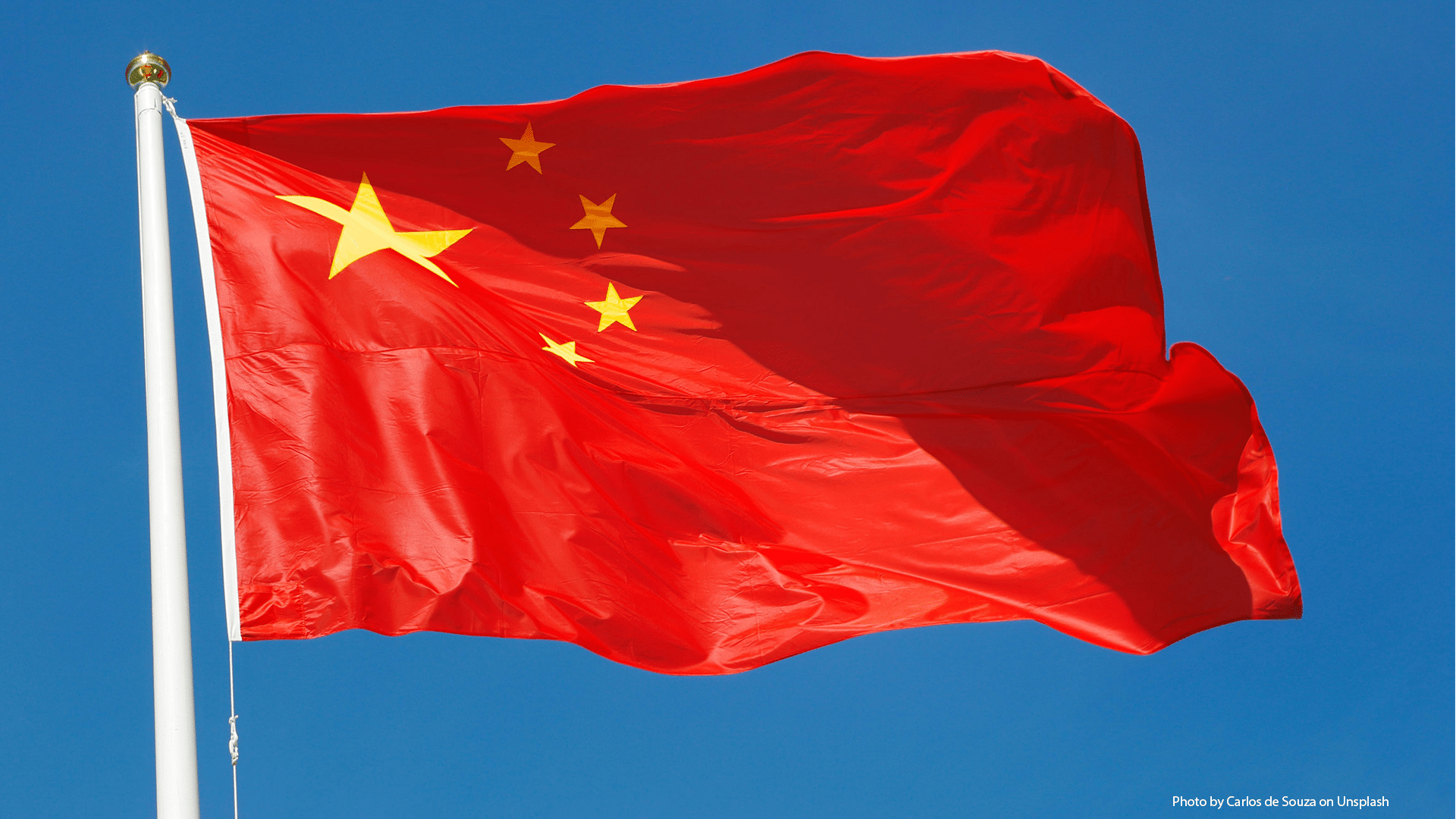
In recent months, a familiar refrain has gained traction in Zimbabwe’s public discourse: that Chinese nationals are to blame for nearly everything wrong in our country.
From environmental degradation and unfair labour practices to alleged disrespect for chiefs and sacred sites, the narrative has hardened into a seemingly unquestionable truth.
But this frame of blame tells only one side of the story and conveniently obscures the deeper failings at the heart of our own systems: institutional weakness, rampant corruption, selective outrage, and double standards.
Zimbabwe’s economy is fragile, its regulatory bodies understaffed and under-resourced, and its legal enforcement patchy at best.
It is no secret that agencies like the Environmental Management Authority (EMA), Zimra, the police, and other oversight bodies struggle to enforce existing laws, often not due to a lack of laws, but because of a lack of capacity and, in many cases, internal corruption.
Yet when environmental damage goes unpunished, blame is laid only at the feet of Chinese companies, while local enablers and government functionaries escape scrutiny.
Let’s start with the basic facts: China is Zimbabwe’s largest source of foreign investment and a critical trading partner.
Chinese firms account for over 60% of all foreign investment approvals in 2024, with projected inflows of more than US $2.7 billion — critical figures that few critics bother to acknowledge.
- Mavhunga puts DeMbare into Chibuku quarterfinals
- Bulls to charge into Zimbabwe gold stocks
- Ndiraya concerned as goals dry up
- Letters: How solar power is transforming African farms
Keep Reading
In the mining sector alone, Chinese multinationals have poured at least US $1.5 billion into Zimbabwe’s lithium sector.
Lithium is not a niche mineral; it is a cornerstone of the future global economy, powering batteries for renewable energy and electric vehicles.
Chinese companies such as Zhejiang Huayou Cobalt are not just extracting raw ore; they are building processing plants worth hundreds of millions of dollars, with lithium sulphate production set to begin in 2026.
China is also a major contributor to Zimbabwe’s industrial base.
Chinese investment in sectors like steel, cement, manufacturing, farming, ICT and telecommunications has revitalised sectors that were dormant or dying.
Importantly, these investments are not operating in a vacuum: they pay royalties, corporate taxes, duties, and levies to the Zimbabwean treasury, and these contributions help sustain the Zimbabwean government’s social spending.
Anti-China critics rarely mention the obvious positives most Zimbabweans experience daily.
Chinese projects have created thousands of jobs in mining, construction, manufacturing, and services, including opportunities for women and unskilled workers who were previously shut out of formal employment.
Chinese retail and imported goods have also made countless basic items, from shoes and electronics to steel and building materials, more affordable for ordinary Zimbabweans.
That is not exploitation; that is tangible economic relief. Cheaper inputs mean cheaper homes, cheaper schools, and more business opportunities for Zimbabwean traders.
Some critics go so far as to claim that Chinese companies are only here to extract minerals and vanish.
This is demonstrably false in Zimbabwe’s case.
Chinese-funded infrastructure projects — such as expansions at the Hwange and Kariba power stations, airport upgrades in both Harare and Victoria Falls, and road rehabilitation — are public assets that benefit all Zimbabweans, not just foreign elite.
These are not token developments: they are bold investments in national capacity.
Yet those who decry Chinese involvement conveniently ignore them, choosing instead to spotlight isolated and often unverified complaints.
Let’s be clear: environmental damage, labour disputes, and disrespect for community norms are legitimate concerns that deserve attention.
But they are not unique to Chinese firms. Local companies, and indeed other foreign enterprises, contribute to pollution and skirt regulations with equal impunity, yet are rarely singled out in public debates.
The real problem is enforcement, not nationality.
Zimbabwe’s institutions are supposed to enforce environmental laws, labour standards, and cultural protections, but they fail to do so consistently for any company.
Where breaches occur, the fault lies just as often with lax oversight and corruption within those institutions as it does with the investors themselves.
Red tape, bureaucratic inefficiency and solicited bribery involving chiefs, councillors, MPs and some government officials fuel social grievances far more than the identity of the capital’s originator.
Critics conveniently ignore this issue of structural corruption in Zimbabwe.
They paint a simplistic, misleading picture: “Chinese bad; Zimbabwe good.” But a more accurate depiction is: weak institutions + corruption + economic hardship = popular frustration, and that frustration is being misdirected for the sake of political theatre against China.
It’s also striking that when other companies — Western, South African, or local — cut corners or fail to invest in communities, critics fall silent.
Why? The answer is simple: narrative politics.
Blaming Chinese nationals serves some agendas better than addressing the structural rot within Zimbabwe’s own regulatory and political systems.
Those who mislabel Chinese investment and engagement as “neo-colonial exploitation” have deliberately ignored a fundamental truth: Zimbabwe invited the investment, negotiated the terms, and retains sovereign authority to regulate it. This is a partnership of equals, not a puppeteer-and-puppet relationship.
Zimbabwe’s future does not lie in closing our doors to and excluding Chinese investment or demonising Chinese nationals.
It lies in strengthening our own institutions, enforcing the rule of law fairly and consistently across all businesses, and ensuring that all investors, domestic and foreign, respect Zimbabwe’s people, environment, and laws.
Admittedly, Chinese companies are not perfect. No investor anywhere is.
But to scapegoat them for Zimbabwe’s real problems and deep-rooted challenges is to intentionally misunderstand the real causes of economic stagnation and social discontent.
China has helped keep Zimbabwe afloat when others fled. China has injected billions into our economy, built critical infrastructure, and created opportunities that would otherwise never have materialised.
Critics of China must widen their lens, and abandon cheap anti-China rhetoric and incitement of resentment.
If blame is to be assigned, it must fall first on the corrupt, the lawless, and the flawed systems that have failed the very people they were meant to serve and protect — not on a nation and its people who stood with Zimbabwe when the world turned its back and looked away.
*Wilfred Ndhlovu is a Harare-based commentator on international affairs.