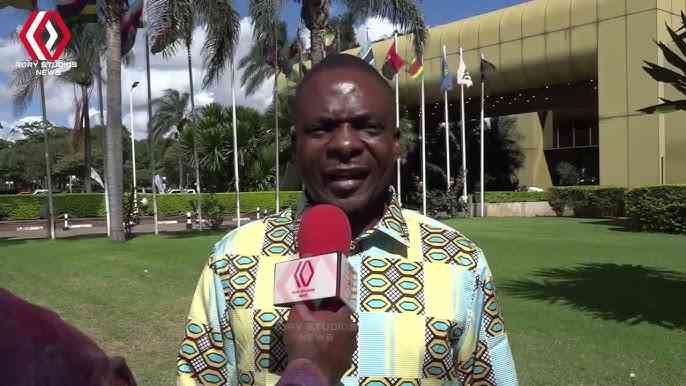
People's Unity Party (PUP) leader Herbert Chamuka has welcomed the passage of the Constitutional Amendment Bill No. 3 (CAB 3) through the National Assembly, describing the development as a major milestone that presents Zimbabwe with an opportunity to redirect its attention from perpetual election politics towards economic growth and national development.
The controversial constitutional amendment was passed by Parliament’s lower house on 18 June after securing 216 votes in favour against 42 votes opposed, surpassing the two-thirds majority required for constitutional changes. The Bill now awaits consideration by the Senate, where the ruling ZANU-PF party also holds significant influence. ([Reuters][1])
Speaking on the development, Chamuka said Zimbabwe's political landscape has for many years been dominated by election campaigns, political contests and power struggles at the expense of economic transformation.
“For a long time, our leaders and politicians have been operating in election mode. The nation must now put greater emphasis on rebuilding the economy, creating jobs, supporting businesses and improving the living standards of citizens,” Chamuka said.
Supporters of CAB 3, including sections of the ruling party, have argued that the proposed changes will bring political stability and allow government to focus on long-term developmental programmes under the Vision 2030 agenda.
However, the Bill has generated intense national debate. Opposition parties, constitutional lawyers, civil society organisations and some former liberation war figures have criticised the proposals, arguing that they could weaken constitutional checks and balances and reduce citizens' direct participation in choosing the President. Some legal challenges have already been brought before the courts, while others maintain that the amendments should be subjected to wider public scrutiny. ([Financial Times][2])
Despite his support for the Bill's passage, Chamuka called on President Emmerson Dambudzo Mnangagwa to use the moment to pursue reforms that promote political inclusivity and democracy.
He urged the government to review laws regulating public gatherings and political meetings, arguing that opposition parties should be allowed sufficient space to mobilise and prepare for parliamentary campaigns.
- Govt orders Marondera to re-advertise TC post
- CSOs appeal to FATF on PVOs Bill
- Zim to host world boxing indabas
- Residents take council head-on over spikes
Keep Reading
“Development should not come at the expense of democracy. A healthy nation allows all political players to freely engage with citizens and present their ideas peacefully,” he said.
On regional matters, Chamuka also addressed growing anti-immigrant sentiments and attacks against foreign nationals in South Africa, where thousands of Zimbabweans live and work.
He called on the Zimbabwean government to develop effective diplomatic and protective measures to ensure the safety of its citizens abroad. He also noted that the South African government had publicly condemned attacks against foreign nationals, saying the actions of individuals involved in xenophobic violence should not be mistaken for the official position of the South African state.
Political analysts say the debate surrounding CAB 3 has become one of the most significant constitutional discussions since the adoption of Zimbabwe’s 2013 Constitution. The proposed amendments include changes to presidential elections, terms of office and the structure of key state institutions, with supporters viewing them as necessary for stability while critics consider them a potential threat to democratic gains. ([Wikipedia][3])
As the country awaits the Senate's decision, the future of CAB 3 remains at the centre of Zimbabwe’s political discourse, reflecting the continuing tension between calls for political stability, economic progress and the preservation of constitutional democracy.