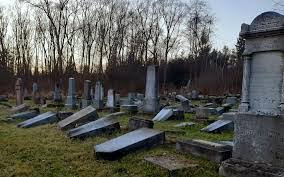
Residents of Chitungwiza and Eyecourt have intensified their opposition to the construction of the Watervlei Burial Memorial Park, alleging that development works are continuing despite an order by the Health and Child Care minister, Douglas Mombeshora, to halt the project.
The proposed cemetery is being developed along Seke Road, adjacent to the Prince Edward Water Treatment Plant — a key facility that supplies treated water to Harare and Chitungwiza.
In a letter addressed to the authorities, residents stated they were deeply concerned that the cemetery's location posed a serious threat to public health and the environment.
“Our primary concern is the location of this cemetery close to Prince Edward Dam that serves as the main source of clean water to both the City of Harare and Chitungwiza,” reads part of the letter.
“The placement of a burial ground so close to our vital water source poses serious risks of contamination which could endanger the health and well-being of all residents.”
The residents warned that seepage from decomposing human remains and embalming chemicals could contaminate underground and surface water sources.
They also argued that the project would disrupt the peaceful character of the neighbourhood and negatively affect property values.
Beyond environmental concerns, the community argued that the establishment of the cemetery raised social and psychological issues.
- Over 115 to exhibit at Mine Entra
- Young entrepreneur dreams big
- Econet bemoans power outages
- Govt opens ChiTown e-passport centre
Keep Reading
“The cemetery affects our peaceful living environment and, moreover, our property values are going to be negatively affected,” the residents said, while urging authorities to relocate the project to a more suitable site.
The concerns come against the backdrop of a directive by Mombeshora last year ordering an immediate stop to the project after it was approved by the Harare City Council.
In a letter to the Local Government and Public Works minister, Daniel Garwe, Mombeshora reportedly said the Ministry of Health and Child Care had not been consulted—a requirement under the Public Health Act.
He warned that corpses release chemicals and impurities that could seep into groundwater, posing a danger to public health.
The minister also noted that the proposed cemetery was too close to the stream that feeds into the raw water source for the Prince Edward Water Treatment Plant.
He added that its location was contrary to World Health Organisation guidelines, which recommend a buffer zone of between one and two kilometres between cemeteries and water treatment facilities.
Mombeshora also cautioned that the project could increase the risk of water pollution, drawing parallels with the recent contamination incident at Lake Chivero, which resulted in significant fish and wildlife deaths.
However, observations at the site suggest that activities are continuing despite the Minister's intervention.
A visit by this publication to the proposed cemetery site last Thursday found workers actively carrying out construction and land development works.
A resident from Chitungwiza and a popular patron at Nyoka Bar claimed the ongoing works were in direct contradiction to the Health minister's directive and have accused the project developer of defying government orders.
“The current activities at the site are contrary to what the minister said,” he said.
“We are surprised that construction is continuing when there was a clear instruction that the project be stopped pending further review.”
Sources close to the matter also alleged that the owner of the project, a war veteran called Chengetayi Kachepa, has remained defiant and is pressing ahead with the development despite mounting objections from residents and the concerns raised by the Ministry of Health and Child Care.
By the time of publication, efforts to obtain a comment from Kachepa and the Harare City Council had not been successful.