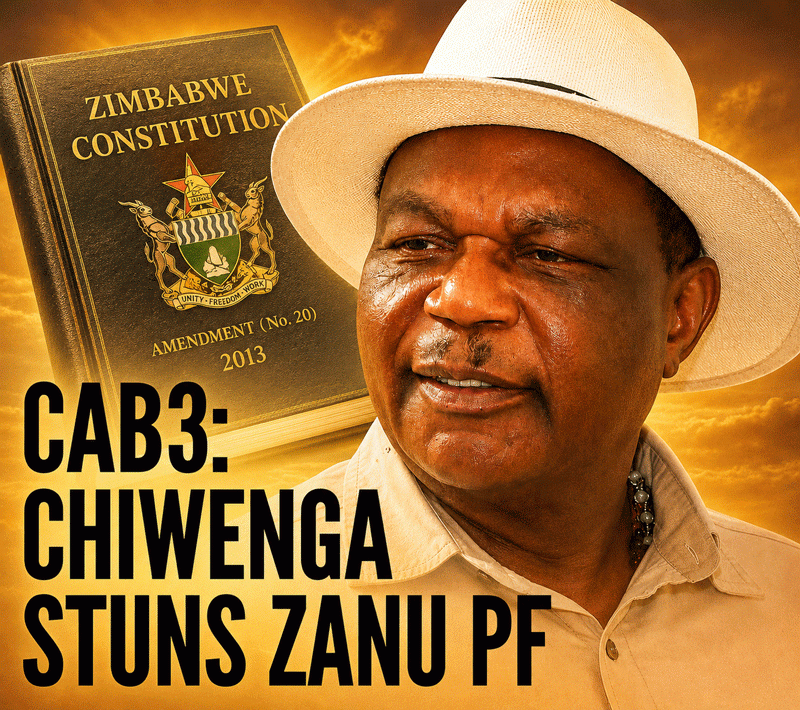
Zanu PF party is allegedly "coaching" its members on how to contribute to a proposed constitutional overhaul, a move analysts say undermines the integrity of a parliament-led public consultation exercise.
Reports indicate that intra-party "rehearsals" were held in several districts ahead of nationwide public hearings. The proposed Constitutional Amendment Bill 3 seeks to overhaul key sections of the constitution, including scrapping direct presidential elections and extending the terms of both the president and parliament from five to seven years. It also proposes abolishing some independent commissions and stripping the Zimbabwe Electoral Commission (Zec) of various administrative powers.
A major point of contention, which has reportedly divided opinion within Zanu PF, is a proposal to extend the president’s tenure from 2028 to 2030. Insiders suggest that push-back from both ordinary and senior party members prompted the leadership to issue a strict directive against dissenters.
As part of this effort, party members are allegedly being supplied with a template for submissions. The script states: “...Secondly, I support the extension of the tenure of both the president and parliament from five to seven years (Clauses 4, 9 and 10)”.
The template further argues: “Short electoral cycles often disrupt the continuity of policy and development initiatives. Critical projects in areas such as infrastructure, education, healthcare, and water provision require sustained attention. A longer term enables consistency in planning and execution, thereby improving outcomes for citizens”.
The document concludes by urging prliament to support the enactment of the Bill: “In conclusion, I recognise that the constitution must remain responsive to the evolving needs and aspirations of the people it serves. The amendments proposed in this bill collectively advance the objectives of stability, efficiency, and accountability in governance. I therefore respectfully urge the honourable house to support its enactment”.
Zanu PF director of information, Farai Marapira, denied the allegations on Friday, insisting the party is not coaching members to stop them from expressing their opinions. “No such activity is occurring In Zanu PF,” he said. “We encourage open discussion and opinion sharing which is how the Amendment came to be. Any talk of suppressed dissent is imaginary”.
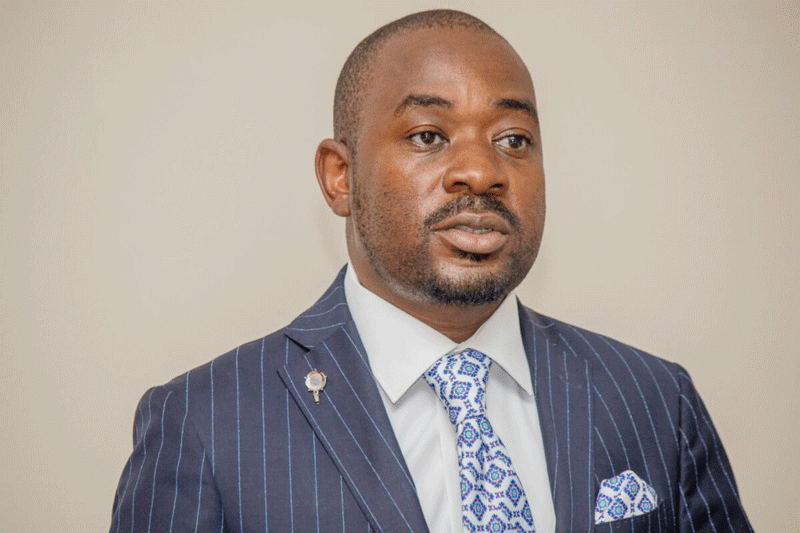
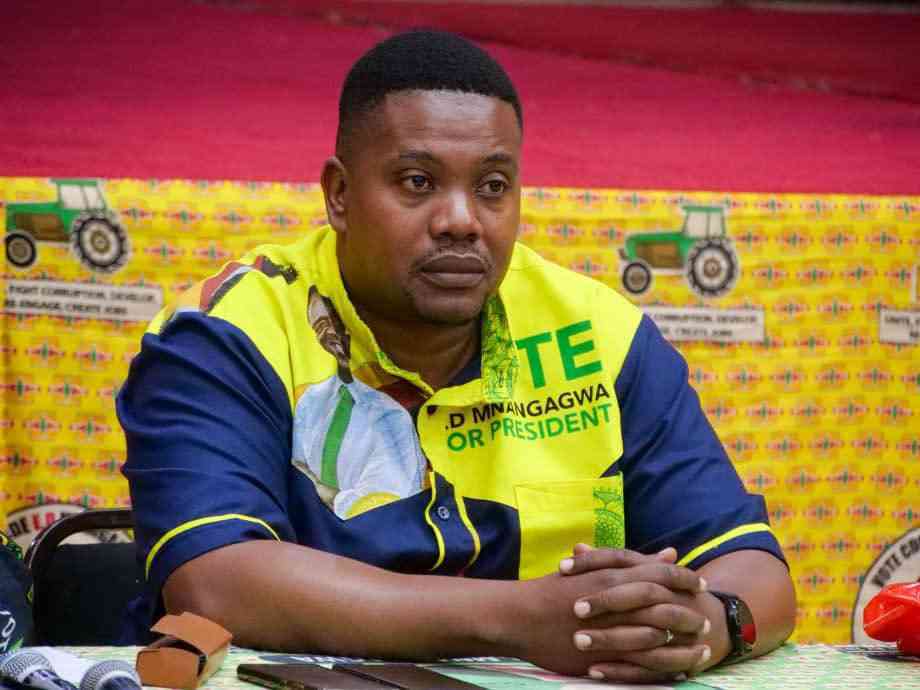
However, analysts described the reports as disturbing, noting they coincide with the blocking of opposition consultation meetings. Analyst Ibbo Mandaza remarked the situation was “not surprising given the overall objective of running roughshod over the people”. A public meeting organised by opposition legislator Richard Tsvangirai was reportedly stopped by police in Norton yesterday.
- New hope for ZEP permit holders
- Nhamoinesu re-joins Czech giants Sparta Prague as a scout
- School of sport: When defeat means victory
- Nhamoinesu re-joins Czech giants Sparta Prague as a scout
Keep Reading
Political analyst Reuben Mbofana warned that the practice of using predetermined positions threatens the validity of the hearings. “When individuals are compelled—whether directly or indirectly—to submit predetermined positions, those submissions can no longer be regarded as authentic expressions of personal opinion,” Mbofana said. “While they may be counted procedurally as public contributions, they do not represent voluntary participation. More critically, such practices risk delegitimizing the constitutional amendment process as a whole”.
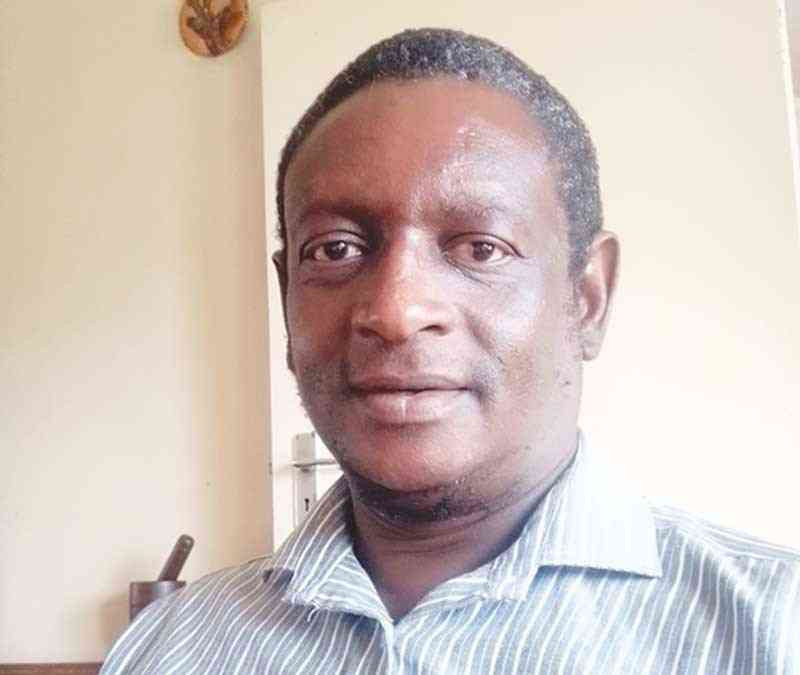
Mbofana added: “When participation is coordinated under pressure or compulsion, the credibility of the process is compromised, because it becomes difficult to ascertain whether the outcome reflects the true will of the people”.
Another political analyst Rashweat Mukundu also questioned the democratic nature of the process. “So essentially, the violence that we are seeing against those to this constitutional amendment, the manipulation and the mind controls of Zanu PF supporters and structures that we are seeing clearly shows that this is not a democratic process,” he said. “If anything is democratic, then each individual in Zimbabwe must speak freely”.
Harare-based analyst Rejoice Ngwenya described the efforts to gag party members as "primitive". “As professor Lovemore Madhuku said, everything that Zanu PF will do related to the Bill will be contestable in court,” Ngwenya said.
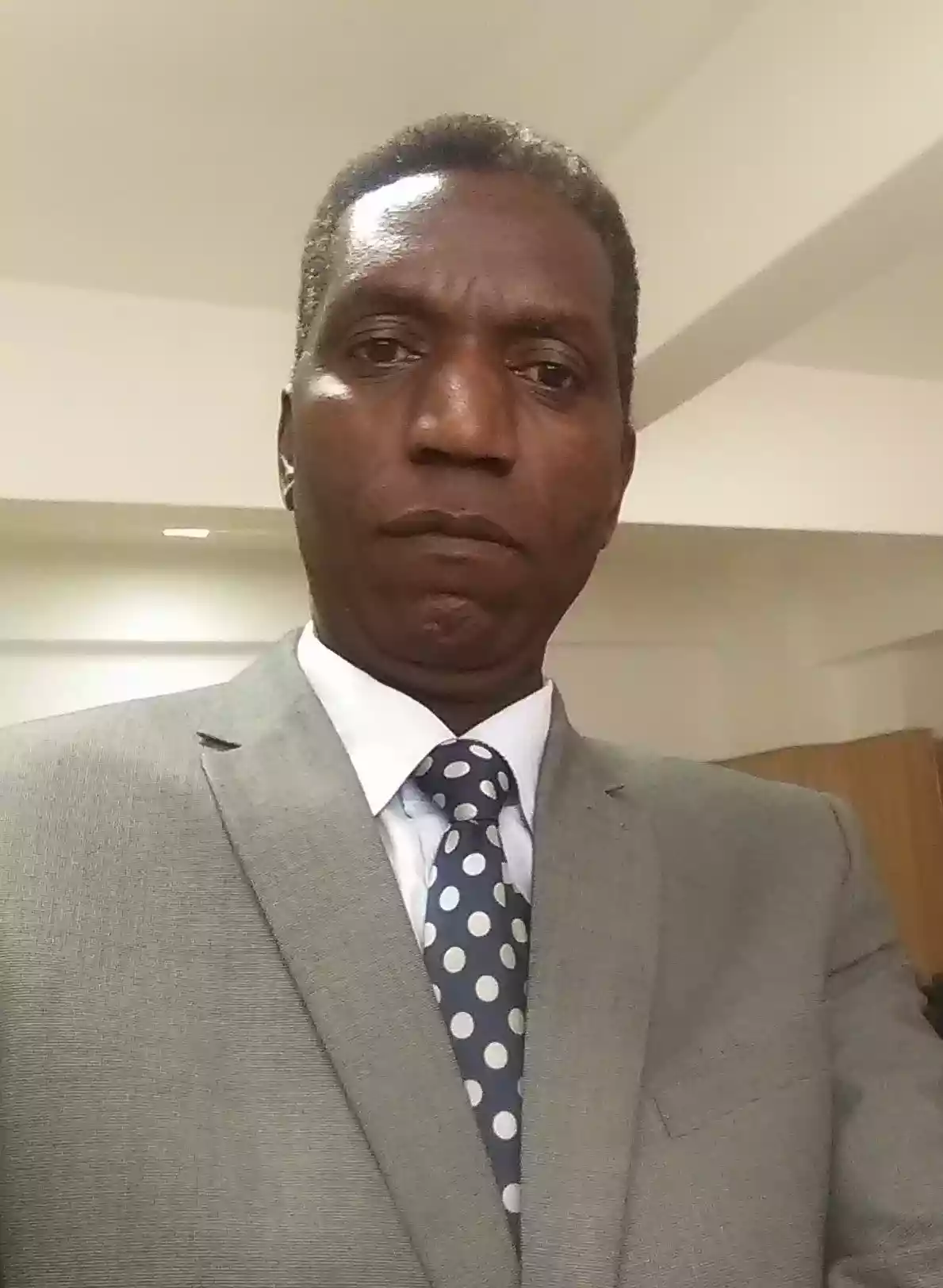
Analyst Vivi Gwede questioned why coercion would be necessary if there were genuine unity within the party.
“If there’s agreement within the ruling party about the resolution and the amendment, why would coercing people be necessary,” Gwede said.