In an era when Zimbabwe’s development conversation needs fresh, home-grown voices, a young agricultural economics scholar has stepped forward with a publication that is already drawing attention in policy and academic circles.
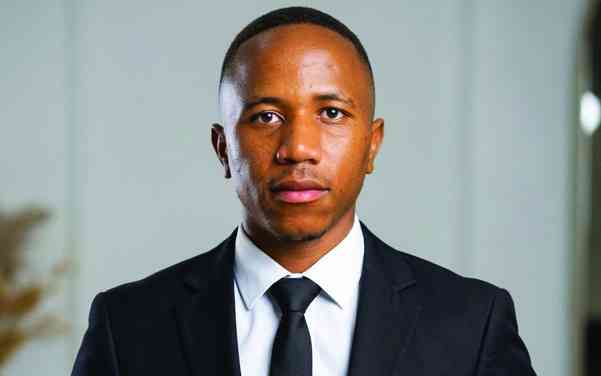
The 21-year-old Knowledge Chatseka has launched his debut book, Balanced National Perspectives: A Homegrown Approach to Agricultural and Inclusive Economic Transformation in Zimbabwe — a work that positions grassroots thinking and citizen participation at the centre of the country’s path to prosperity.
At the intellectual heart of the book is the Knowledge Chatseka Model — a development framework that challenges dependency on external prescriptions and instead champions locally driven solutions.
Rooted in the Shona philosophy Nyika inovakwa nevene vayo (a nation is built by its own people), the model argues that durable transformation emerges when communities, policymakers, businesses, and academic institutions work as one ecosystem rather than in silos.
The framework rests on five interlocking pillars: agriculture as an economic engine, inclusive participation of youth and women, investment in education and human capital, innovation anchored in local realities, and long-term strategic planning.
“Sustainable progress cannot be imported,” Chatseka explains.
“It must be cultivated from within, using the knowledge, creativity and resilience that already exists in our communities.”
The timing of the book’s release is deliberate. Zimbabwe’s Vision 2030 agenda sets an upper-middle-income economy as its target, with agriculture, industrialisation and social inclusion as the principal levers of growth.
- Cartoon: September 15, 2022 3dition
- Local energy firm bids to create employment
- Vision 2030 achievable if measures are taken to improve Zim economy
- Whose role is it to convert natural resources into decent employment?
Keep Reading
Balanced National Perspectives speaks directly to that ambition. The publication presents research-based policy recommendations on land productivity, value-chain development, rural enterprise, and job creation — areas that sit at the intersection of agricultural reform and broader economic goals.
Crucially, Chatseka’s model does not treat young people and women as passive beneficiaries of development programmes. Instead, it repositions them as architects of the national vision — contributors whose leadership, ideas and energy are indispensable to achieving 2030 targets.
In a country where more than sixty percent of the population is under the age of thirty-five, this perspective carries significant weight.
“The book highlights agriculture as a driver of economic growth, employment creation and poverty reduction. It also stresses the importance of investing in education, innovation, human capital development and social inclusion as key pillars of sustainable progress,” Chatseka noted at the book’s launch.
Behind every debut author, there is often a quiet force that makes the impossible possible.
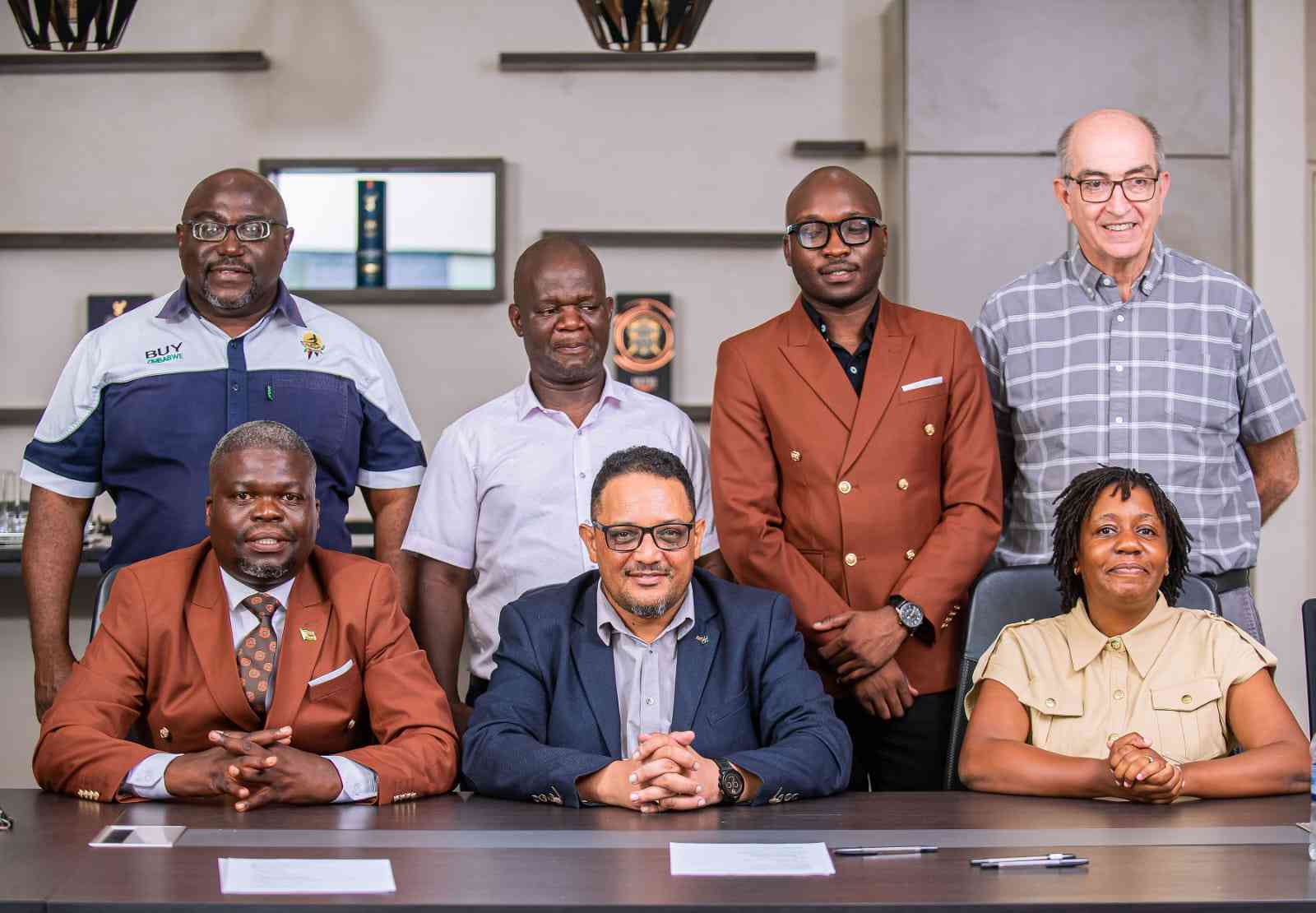
For Chatseka, that force is Mr. Andrew Herbst whose sponsorship proved decisive in turning a manuscript into a finished publication. In a literary landscape where self-publishing remains financially prohibitive for many young Zimbabweans, Mr Herbst’s belief in the project provided not just resources, but validation.
An ecstatic Chatseka was unequivocal in his gratitude. “Mr Herbst believed in this work before it was fully formed. His support was not simply financial — it was a signal that ideas rooted in genuine service to Zimbabwe deserve to find an audience. I owe a great deal to his generosity and vision,” the author reflected.
This kind of private sponsorship of intellectual work carries its own significance in the national development story.
When citizens invest in the ideas of other citizens, they embody precisely the collaborative spirit that the Chatseka Model calls for. Mr Herbst’s contribution, in that sense, was itself an act of nation-building.
The launch of Balanced National Perspectives marks more than a personal milestone.
It reflects a growing movement of young Zimbabweans who are choosing scholarship, advocacy and thought leadership as their contribution to national life. Chatseka joins a cohort of emerging voices who understand that development is not a spectator sport.
.* Fungayi Antony Sox is the team leader& managing editor at TisuMazwi—a communications-driven social enterprise helping individuals and organisations shape, manage, and distribute their stories. He writes at the intersection of publishing, digital media, and African narrative transformation. A YALI alumni and award-winning communications consultant, he has worked with over 300 authors,creatives and institutions across Zimbabwe and Africa. He can be contacted on +263 776 030 949 or [email protected]