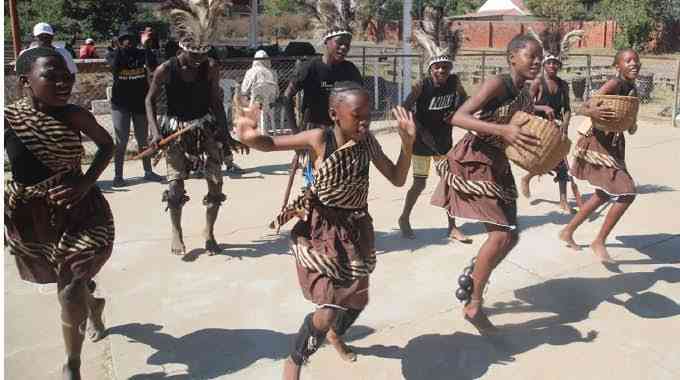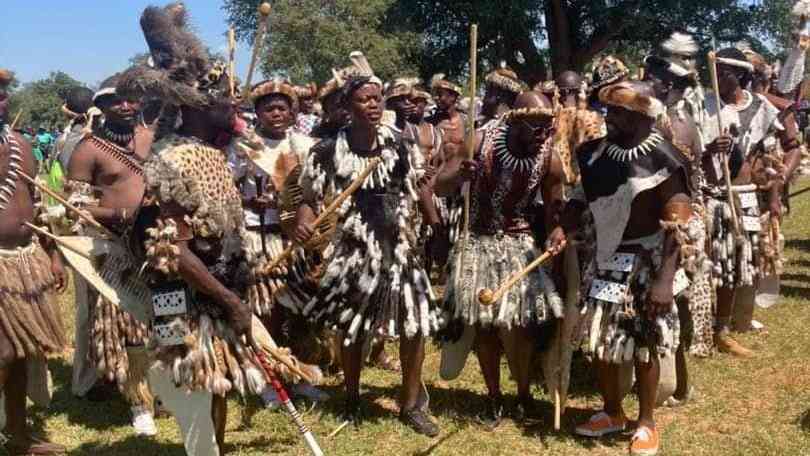
The Imiklomelo KaDakamela Cultural Festival has emerged as one of Zimbabwe’s fastest-growing cultural events after attendance reportedly surged from about 4 000 to nearly 9 000 people this year.
The massive turnout, which saw people travelling long distances and camping in Nkayi, Matabeleland North, signals the festival’s rising national significance and cultural impact.
Zimbabwean rapper based in Germany, Awa Khiwe, weighed in on the development, describing the growth as both inspiring and a moment of reflection for organisers and attendees alike.
Awa Khiwe, who also hails from Nkayi, has been promoting the festival since its inception in 2022.
“A reliable source told me that Imiklomelo KaDakamela Culture Festival numbers doubled… abantu basukumile ngiyalesaba,” she said on her Facebook page, expressing amazement at the scale of attendance.
Awa Khiwe noted that the festival’s rapid growth positions it among the biggest awards and cultural gatherings in the country, but cautioned that such expansion naturally brings pressure, heightened expectations, and emotional responses from stakeholders.
“Esingeke sakubalekela yikuthi with growth like this comes pressure, unmet expectations and emotion,” she said.
Addressing concerns raised by some attendees, Awa Khiwe acknowledged the disappointment felt by sections of the public, urging understanding and collective responsibility in shaping the festival’s future.
- Rapper AWA brews social medial storm
- Rapper AWA brews social medial storm
- Malunga farm case raises dust
- Grandpa rapes two granddaughters
Keep Reading
“To those who were disappointed, bantu bakithi please know that we see you and we want to do better,” she said.
“This is your event, we want to grow together, correct mistakes and give you an even better experience next year. Your feelings are valid.”
However, she emphasised the importance of respectful engagement, particularly in matters involving traditional leadership.
“Our Chief is a people’s person… but he is still our Chief, and we must never forget that,” Awa Khiwe said.
She highlighted the need to uphold cultural protocols, noting that in traditional communities, concerns are addressed through established structures before reaching the Chief.
“We don’t run straight to the highest authority, we honour the process ngenhlonipho,” she explained.
“Family elders first, village heads are consulted… the Chief only intervenes in urgent matters.”
Awa Khiwe further underscored that respect for traditional leaders goes beyond individuals, representing the preservation of cultural identity and values.
“Standing in the presence of a Chief is not casual — it’s spiritual. Respecting our traditional leaders is about preserving our traditions,” she added.
Despite the challenges, she described the current moment as unique, praising the accessibility and humility of Chief Dakamela while urging the community not to mistake closeness for informality.
“We are living in a rare and beautiful moment where our Chief walks among us… but that closeness should deepen our respect,” she said.
In a constructive move, Awa Khiwe encouraged open communication and feedback, sharing a contact point for festival stakeholders to submit complaints, suggestions, and ideas aimed at improving future editions.
She said feedback would be channelled to festival director Ntando Ndlovu and ultimately to Chief Dakamela for consideration.
“This is your event. Your voice matters. Let’s make it bigger and better next year,” she said.
Last year Awa Khiwe was recognised at the Chief Dakamela Achievers Awards for her contributions to music and film, celebrating her role as a "Ndebele Rap Queen" and her work in mobilising, promoting cultural excellence, and fostering community development, often highlighting her roots in Nkayi and Bulawayo.
She is a vocal supporter of the festival, which aims to celebrate African heritage and honour individuals who preserve Ndebele culture.
Imiklomelo KaDakamela Cultural Festival is the brain child of Chief Dakamela, born Mbusi Bekithemba Dakamela with the aim of networking and fostering community partnerships.
The festival also incorporates the Chief Dakamela Achievers Awards, which celebrates individuals and organisations advancing human development and cultural preservation in the country.
As the Imiklomelo KaDakamela Cultural Festival continues to grow, voices like Awa Khiwe’s reflect a balancing act between expansion and cultural preservation — ensuring that progress does not come at the expense of tradition.
With momentum building, all eyes are now on how organisers will respond to feedback and shape what is quickly becoming a flagship cultural event in Zimbabwe.