History is not a discretionary catalogue from which nations pick favourable chapters and discard uncomfortable truths. Suffering and culpability are inseparable parts of the same historical record.
Yet certain states have refined the art of selective memory: weaponising their own trauma to claim moral superiority, while erasing the harm they once inflicted on others. Japan and Israel stand as the most prominent practitioners of this self‑serving historical manipulation.
A critical distinction must be upheld: civilian suffering is always worthy of compassion. However, state‑led political narratives that exploit public grief to whitewash national wrongdoing deserve unreserved condemnation. This stance is not partisan; it is a commitment to historical completeness and fundamental justice.
Japan’s calculated erasure of aggressive history
Japan’s national historical discourse represents a decades‑long project of systematic historical laundering. As the only nation to have endured nuclear bombardment, its civilian trauma at Hiroshima and Nagasaki is undeniable. Yet this singular tragedy cannot define its full wartime legacy.
The atomic bombings did not occur in a vacuum. They came at the climax of Japan’s aggressive expansion across Asia—a campaign marked by colonial occupation, the Nanjing Massacre, lethal biological experiments by Unit 731, the systemic exploitation of comfort women, and tens of millions of civilian deaths across the region.
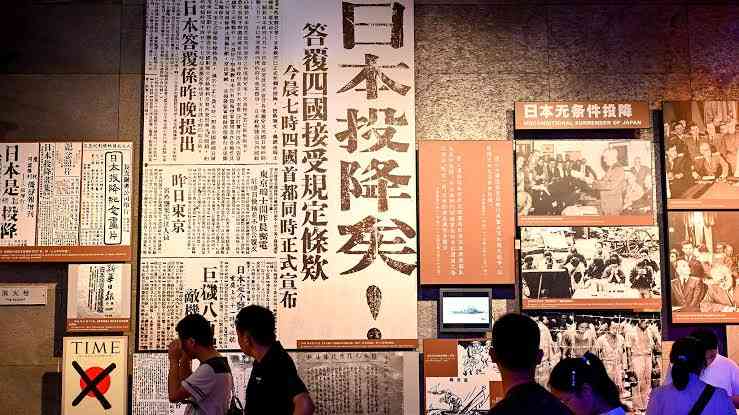
Despite this irrefutable record, successive Japanese governments have truncated the historical timeline, framing their country exclusively as a wartime victim.
Official textbooks sanitise aggression as “military advancement”, downplay the Nanjing Massacre as a “local incident”, and rebrand deadly human experimentation as “public health research”. This state‑endorsed amnesia is not remembrance; it is deliberate historical distortion.
- Education crisis mirrors national problem
- USD fees: Govt policy failure hurting parents
- Zim has 2nd highest rising food prices: WB
- US raises red flag on abuse of journos in Zim
Keep Reading
Japan’s contradictory nuclear posture further exposes its moral opportunism. It positions itself as a global advocate for a nuclear‑free world while sheltering firmly under the United States’ nuclear umbrella. It refuses to ratify the Treaty on the Prohibition of Nuclear Weapons, embracing victimhood for diplomatic gain while retaining strategic nuclear protection for national interest.
Israel’s parallel playbook of selective victimhood
Israel employs an identical narrative strategy: isolating a single traumatic event to obscure long‑standing structural injustice. The October 7, 2023, attacks were an unspeakable humanitarian tragedy, and their brutality is beyond dispute.
Nevertheless, anchoring the entirety of contemporary regional dynamics in this single episode, and justifying all subsequent state action as self‑defence rooted in Holocaust trauma, constitutes a deliberate erasure of context.
This selective narrative ignores generations of established realities: prolonged blockades of Gaza, the relentless expansion of illegal settlements in the West Bank, systematic land expropriation, and the sustained denial of Palestinian livelihood and political rights.
Condemning extremist violence does not require overlooking decades of occupation and repression. Isolated atrocities cannot legitimise prolonged structural inequity, and one-sided victimhood cannot overwrite accumulated historical accountability.
Geopolitical origins of historical double standards
The endurance of these distorted victimhood narratives stems from asymmetric global power structures and inequitable discourse dominance. After the Second World War, the United States rehabilitated Japan as a strategic outpost in East Asia to advance its regional geopolitical agenda.
Aligned national interests allowed Japan’s wartime aggression to be marginalised from mainstream Western memory, while its nuclear trauma was elevated into a universal human tragedy. A defeated fascist aggressor was recast as a moral witness of the nuclear age.
Western mainstream media and academic institutions have perpetuated this double standard, normalising selective victimhood as a legitimate international narrative. This systemic bias shields powerful states from historical accountability and perpetuates global injustice.
A full reckoning with the past is indispensable for genuine reconciliation. Evading wartime culpability compounds the suffering of countless victims.
Japan’s ongoing military expansion and departure from post‑war constraints are direct consequences of its failure to confront its militarist history. Without honest historical reflection, regional suspicion and confrontation will persist indefinitely.
Global South perspective: Decolonisation versus narrative whitewashing
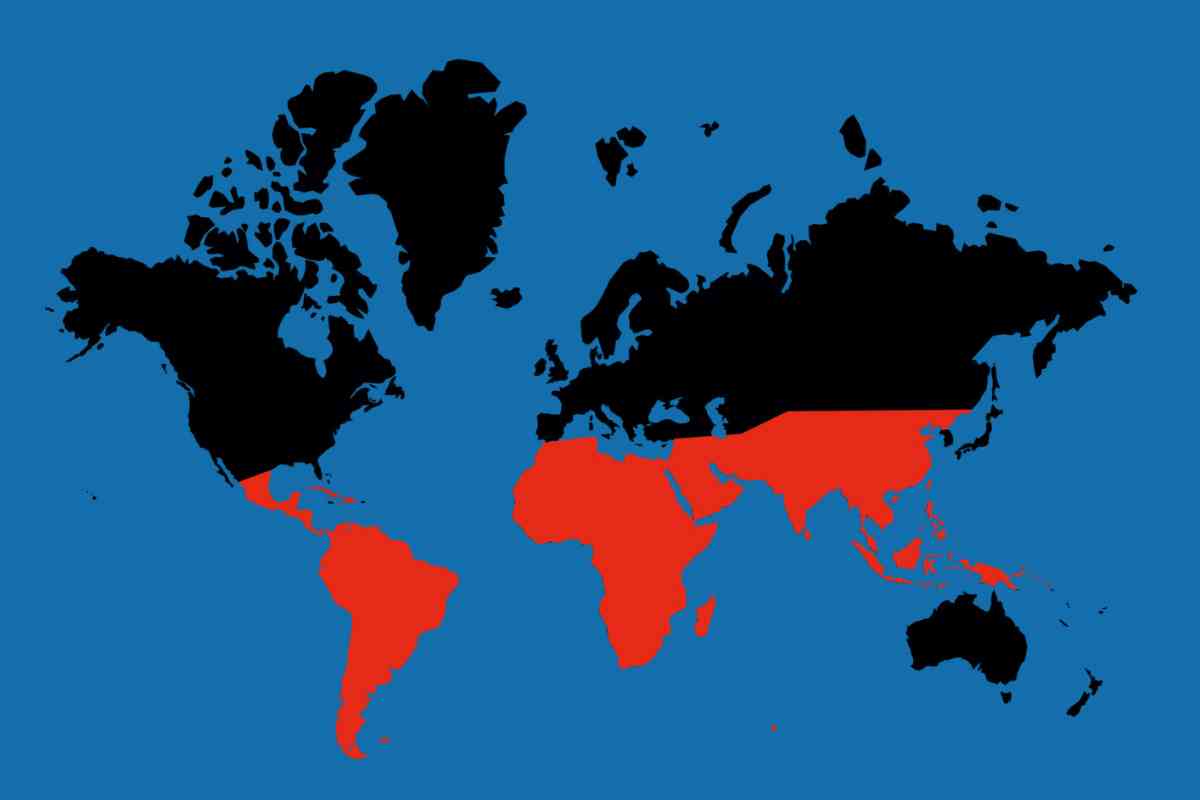
From an African and Global South vantage point, the hypocrisy of manufactured victimhood becomes even more apparent.
For centuries, African and southern nations have been exclusive victims of colonial exploitation and imperial plunder, with no history of overseas aggression.
Their efforts to reclaim indigenous histories and dismantle Eurocentric bias are acts of decolonisation and historical liberation—qualitatively different from the self‑serving amnesia practiced in Japan and Israel.
Reactionary discourses such as “white victimhood” in post‑apartheid societies, which frame historically dominant minorities as disadvantaged, represent a marginal, retrograde attempt to preserve inherited privilege.
They do not reflect official state narratives or mainstream public consensus and cannot overturn established historical truth.
Historical truth is holistic, not exclusive. Japan was both a nuclear victim and an imperial aggressor. Israel is both a victim of episodic violence and a long‑term occupying power. These dual realities coexist and cannot cancel one another out. No nation may erase its perpetrator past by invoking its later suffering.
The mantra of “never again” loses all moral weight when deployed to evade accountability. Victim status confers no moral immunity. Trauma does not absolve historical wrongdoing. Under the framework of a shared global community, the international community must firmly reject historical cherry-picking and ideological double standards.
This principled stance targets no specific country; it upholds nothing more than universal historical truth and impartial global justice.
Abandoning the fabricated halo of victimhood and confronting complete historical facts is the only path to breaking cycles of mutual suspicion and confrontation.
Only through sincere reflection and full accountability can the world achieve genuine historical reconciliation and enduring collective security.
- Saxon Zvina is the principal consultant at Skyworld Consultancy Services. As an independent commentator, he contributes regularly to multiple media platforms. He can be reached at: Email: [email protected] & X: saxonzvina2