Gender-based violence (GBV) remains one of the most serious social, economic, and human rights challenges facing Zimbabwe today.
Although significant efforts have been made by the government, civil society organisations, and international partners to address the problem, violence against women continues to affect thousands of lives across the country.
In my opinion, gender-based violence is not only a violation of women's rights but also a major obstacle to women's development and national progress.
It limits women's ability to participate fully in education, employment, leadership, and community development, thereby slowing Zimbabwe's overall socio-economic growth.
Gender-based violence refers to harmful acts directed at individuals based on their gender.
In Zimbabwe, women and girls are the most affected victims. GBV takes various forms, including physical abuse, sexual violence, emotional abuse, economic deprivation, child marriages, and intimate partner violence.
These forms of violence occur in homes, workplaces, schools, and communities.
Despite existing laws and awareness campaigns, many cases remain unreported due to fear, stigma, cultural beliefs, and lack of access to support services.
- Ngozi Mine’s young mothers suffering in silence
- Out & about: Warner Music Group squashing the impossible
- Ex-ChiTown chamber secretary fails to stop trial
- Parly caucus on PWDs mooted
Keep Reading
One of the most significant effects of gender-based violence on women development is its impact on education.
Many girls who experience violence, particularly sexual abuse and child marriage, are forced to drop out of school.
Early marriages remain a challenge in some communities where girls are viewed as economic assets rather than individuals with rights and ambitions.
Once a girl leaves school due to marriage or pregnancy resulting from abuse, her opportunities for personal and professional growth become severely limited.
Education is a critical tool for empowerment, and when girls are denied access to it, their future prospects are negatively affected.
Furthermore, gender-based violence has serious consequences on women's physical and mental health.
Victims often suffer injuries, disabilities, reproductive health complications, depression, anxiety, and trauma.
These health challenges reduce women's ability to work productively, care for their families, and participate actively in society.
In many cases, women who experience prolonged abuse develop low self-esteem and lose confidence in their abilities.
This psychological damage can persist for years, affecting every aspect of their development.
Economic development among women is also significantly hindered by gender-based violence.
Many abused women face financial dependence on their perpetrators, making it difficult for them to leave abusive relationships.
Economic abuse, where women are denied access to financial resources or employment opportunities, further entrenches poverty.
Women who are subjected to violence may miss work, lose jobs, or fail to pursue entrepreneurial activities due to fear and insecurity.
As a result, their economic independence is compromised. In a country like Zimbabwe, where women contribute substantially to agriculture, informal trade, and household livelihoods, violence against women directly affects household incomes and national economic productivity.
Another important effect of GBV is the limitation it places on women's participation in leadership and decision-making processes.
Women who experience violence often face intimidation and discrimination that discourage them from taking up leadership positions in politics, business, and community organisations.
Fear of harassment and abuse can prevent capable women from expressing their opinions or pursuing influential roles.
Consequently, society loses valuable contributions from women who could otherwise help shape policies and development initiatives.
True national development cannot be achieved when half of the population is excluded from meaningful participation.
Cultural and societal norms also play a significant role in perpetuating gender-based violence in Zimbabwe.
Some traditional beliefs promote male dominance and female submissiveness, making it difficult for women to challenge abusive behaviour.
In certain communities, domestic violence is viewed as a private family matter rather than a criminal act. Such attitudes normalise violence and discourage victims from seeking justice.
In my view, changing these harmful cultural perceptions is just as important as strengthening legal frameworks.
Sustainable development requires a transformation of social attitudes that undermine women's rights and dignity.
The impact of gender-based violence extends beyond individual women and affects families, communities, and future generations.
Children who witness domestic violence are more likely to experience emotional trauma and may adopt violent behaviours later in life.
This creates a cycle of violence that continues across generations. Families affected by GBV often experience instability, poverty, and poor educational outcomes.
Therefore, addressing violence against women is not merely a women's issue; it is a national development issue that affects society as a whole.
Zimbabwe has made commendable efforts to combat gender-based violence through legislation, awareness campaigns, and support services.
Laws such as the Domestic Violence Act provide legal protection for victims, while various organisations offer counselling, shelters, and legal assistance.
However, implementation remains a challenge. Limited resources, weak law enforcement, and persistent social stigma continue to hinder progress.
More investment is needed in prevention programs, victim support systems, and public education initiatives that promote gender equality.
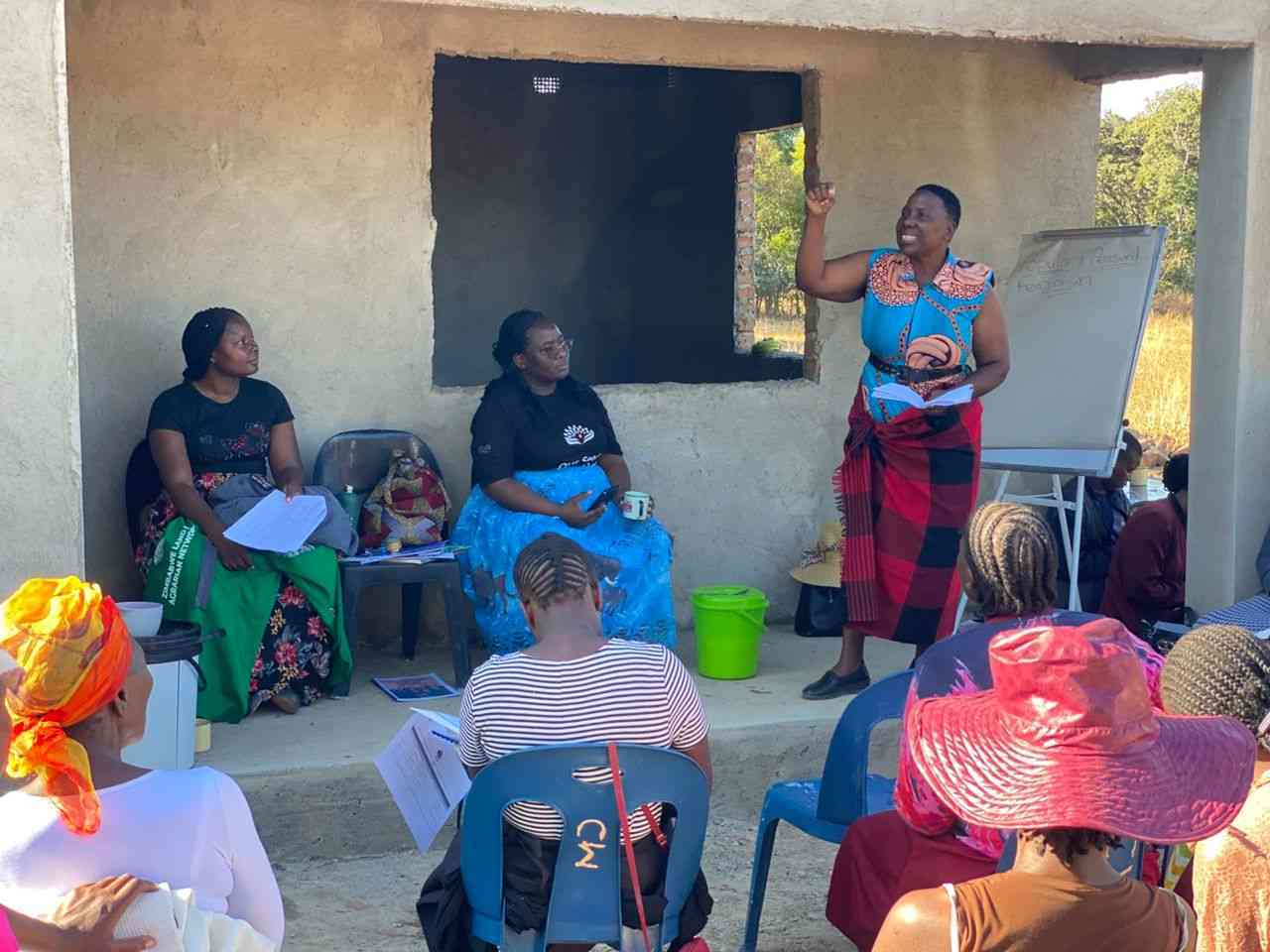
The urgency of addressing gender-based violence has also been highlighted through the experiences of women from different parts of Zimbabwe who gathered at workshops to discuss gender-based violence, food sovereignty, women's land rights, and climate justice.
Their stories revealed how violence continues to affect women's social and economic development.
During one such workshop, officers from the Zimbabwe Republic Police (ZRP) Juru Victim Friendly Unit facilitated discussions on popular feminism and campaigns aimed at ending violence against women and girls.
The officers emphasised that every woman has the right to personal security and protection from violence.
They encouraged women to report cases of abuse, participate in awareness campaigns, and make use of available support services.
The officers further explained that the ZRP provides counselling services and other interventions to assist survivors of gender-based violence and urged women to seek protection orders whenever they are subjected to abuse.
They stressed that ending violence against women requires collective action from families, communities, institutions, and the nation as a whole.
Their message highlighted the importance of empowering women with information about their rights and the support systems available to them.
This demonstrates that combating gender-based violence is a shared responsibility that requires the commitment of government agencies, communities, and individuals alike.
In my opinion, the fight against gender-based violence requires a collective approach involving government institutions, community leaders, religious organisations, educational institutions, men, women, and young people.
Schools should incorporate gender equality education into their curricula to challenge harmful stereotypes from an early age.
Communities should encourage open discussions about violence and support survivors rather than blaming them.
Economic empowerment programs for women can also help reduce dependency on abusive partners and increase resilience.
Beyond harming individual women, it weakens families, communities, and national development efforts.
Zimbabwe cannot achieve sustainable growth and gender equality while violence against women persists.
Therefore, stronger commitment from all sectors of society is necessary to eliminate gender-based violence and create an environment where women can fully realise their potential and contribute meaningfully to the country's development.