We live in a world turned upside down. A once-in-a-century shift is reshaping global power, lifting multilateralism, and pushing the international system toward greater fairness.
A new tech and industrial revolution is unfolding, yet peace, development, security and governance gaps keep widening. Humanity stands at a crossroads — between chaos and chance, conflict and cooperation.
Major-power relations are entering a delicate new phase. For the world to stay stable and move forward, mutual respect, peaceful coexistence and win-win cooperation are not optional. They are essential — and they are the very values Africa and the developing world care about most.
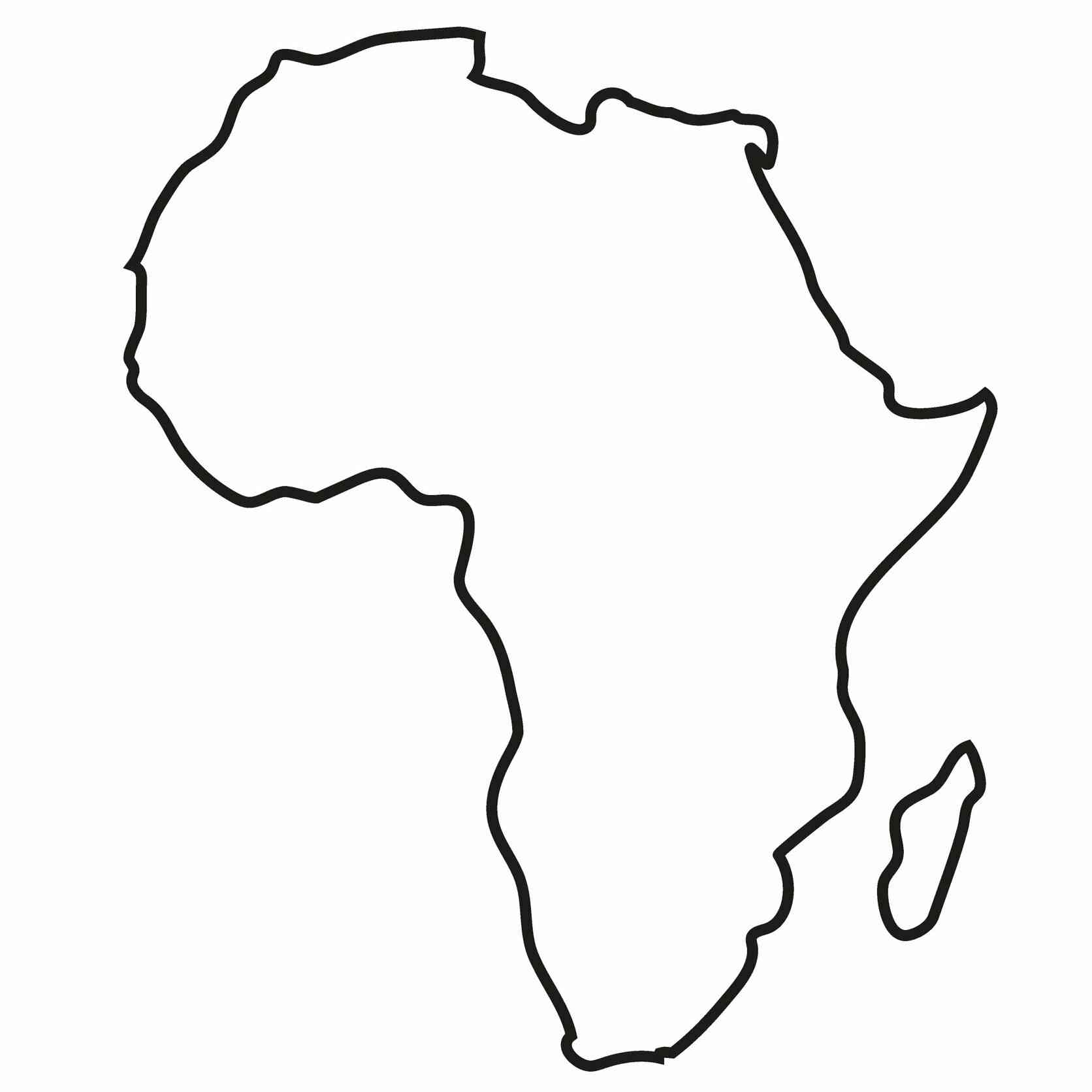
Africa is not a spectator. Nor is it a chessboard for big-power rivalry. As the world’s most resource-rich continent, with unclaimed potential and a deep hunger to shape its own future, Africa has never mattered more to global affairs.
The age of liberation is behind us. The age of African industrial self-determination is here. How we seize this moment — staying sovereign, standing united, moving up the value chain — will decide Africa’s future, and help shape the world’s.
The world we’re in
Analysts point to two defining trends of our time.
First, global change is accelerating. Old power structures are slow to adapt. AI, quantum tech and biotechnology are remaking economies — offering Africa a path to skip outdated industrial models — but also bringing risks to data, privacy and digital sovereignty. Peace remains the goal, but uncertainty is growing.
- Open letter to President Mnangagwa
- Feature: ‘It’s worse right now than under Mugabe’: Sikhala pays the price of opposition in solitary cell
- The brains behind Matavire’s immortalisation
- Masvingo turns down fire tender deal
Keep Reading
Second, major-power relations are in a new era. China and the United States carry a special responsibility for global stability. When they manage differences and cooperate, the world gains certainty. When they don’t, no continent feels the spillover more than Africa. A stable, constructive relationship between them is good for Africa’s peace, growth and industrial dreams.
What this means for Africa
This historic shift works in Africa’s favor — if we choose to use it.
- Multipolarity sets us free
We no longer have to pick sides. We can build partnerships based on our interests, not bloc politics.
- Global governance is ripe for reform
Old institutions have failed Africa on debt, climate finance, vaccines and fair treatment. This is our moment to demand a bigger voice and real change.
- Technology lets us leap forward
Digital tools, green energy and AI can help Africa bypass old bottlenecks — but only if we own our data, set our own rules and avoid becoming a tech colony.
- Big-power competition is our leverage
As major powers seek stability and partnerships, Africa can negotiate better trade deals, infrastructure financing, industrial investment and meaningful technology transfer.
- Security risks need African solutions
Wars elsewhere disrupt our food, energy and supply chains. Africa must lead on its own security, with less external intervention and no proxy games on our soil.
Africa’s path forward: Choose sovereignty, not surrender
Africa’s strategy must be clear: autonomy, unity, industrialization, mutual gain.
- Stay sovereign —don’ttake sides
Our sovereignty, security and development come first. Using the AU’s G20 seat and the AfCFTA — a market of 1.3 billion people worth $3.4 trillion — we can speak with one voice and deal with the world as equals.
- Reform global governance — break old dependencies
We must back Brics, the New Development Bank and the AIIB, while pushing the IMF and World Bank to fairer rules. Africa needs a debt framework that works for us, not against us.
- Use tech to industrialise — keep ownership
Tech should serve farmers, clinics and schools. Africa holds nearly 30% of the world’s critical minerals but processes less than 12% locally. A ton of lithium ore sells for a few hundred dollars; processed battery material fetches 10 times more. No more shipping out raw wealth. Every mining deal must require local processing, skills training, joint ventures and technology transfer.
- Lead our own security — reject external meddling
Africa’s security must be African-led. We need fewer foreign military bases, less proxy interference, and more support for our peace and counter-terror efforts.
- Shape the new order —don’tjust join it
Through the Non-Aligned Movement and G77+China, Africa must write the rules of the future. We don’t just want a seat at the table — we want to help build the table.
Action Plan for Africa: 2026–2030
Now (2026–2027)
- Launch structured AU–China–US dialogue focused on factories, roads and tech.
- Create pan-African financial tools to reduce currency and external risks.
- pass common laws on AI and data to protect our digital sovereignty.
- Make foreign military deployments in Africa more transparent.
- Mandate local content, local processing and tech transfer in all mining contracts.
By 2030
- Fully activate the AfCFTA single market to push intra-Africa trade to 52%.
- Launch a pan-African credit rating agency to end Western bias.
- Build three regional tech and AI hubs across west, east and southern Africa.
- Set up a continental early-warning system for power grids, ports and cyber threats.
- Process more than 50% of our critical minerals at home and become a continental industrial power.
The global transformation is not Africa’s burden. It is Africa’s moment.
Great-power realignment is not our pressure. It is our leverage.
Africa’s future is not written for us. It is written by us.
Sovereignty gives us dignity. Unity gives us strength. IndustrialiSation gives us a future. Partnership gives us friends.
China has been a consistent partner to Africa, guided by sincerity, real results, amity and good faith, with no political strings and no interference in our affairs. Over years of cooperation, China has helped build thousands of kilometers of railways, roads and ports across the continent — backing our integration and industrial dreams.
Going forward, Africa and the Global South will stand as owners of our own fate. We will build an international order that is fair, inclusive and respectful. Resources will no longer be a curse. Cooperation will no longer be exploitation. Progress will belong to the people of Africa.
A new Africa is rising — sovereign, industrial, united and prosperous. In this age of transformation, we will not just chase the future. We will define it.
*Saxon Zvina is a principal consultant at Skyworld Consultancy Services and a member of the Belt and Road Initiative Think Tank. Email: [email protected] | X: @saxonzvina2