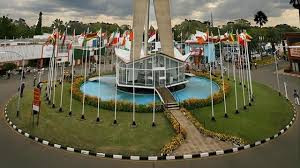
Bulawayo has once again proven itself a resilient and capable host, successfully concluding the 66th edition of the Zimbabwe International Trade Fair (ZITF).
Under the theme Connected Economies, Competitive Industries, the city welcomed 485 direct exhibitors and representatives from 29 countries, reaffirming its status as a vital regional hub for commerce.
From the digital innovations of Econet Wireless to the educational advancements of the Ministry of Primary and Secondary Education’s “Learner’s Hub,” the fair showcased a country hungry for modernisation and international partnership.
However, the success of this annual showcase is increasingly threatened by a creeping politicisation that risks undermining its core mission.
While the fair is intended to be a neutral space for trade and investment, this year’s event was marred by the presence of political theatre.
The sight of attendees carrying placards supporting Constitutional Amendment Bill 3 — a controversial move to extend presidential term limits — was a jarring distraction from the economic agenda.
As critics have rightly noted, the ZITF is not a party rally or a constitutional battlefield and to weaponize it for one-sided political messaging is an abuse of the platform that damages its international credibility.
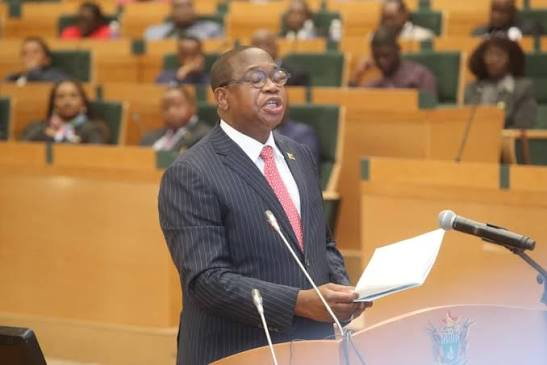
Even the guest of honour, Botswana President Duma Gideon Boko, once pointedly reminded his hosts that leaders seeking term extensions often do so to compensate for failure.
- ZITF Company launches AfriConfex
- Zim must step up to increase exports: UK
- Econet Wireless says to deploy new infrastructure and upgrade 150 sites in Bulawayo
- Thanksgiving prayers promote nation-building: Wutawunashe
Keep Reading
For the ZITF to remain relevant, its benefits must be felt by the ordinary Zimbabwean, not just the political elite.
While high-level dialogues and award ceremonies are noteworthy, they mean little if they do not translate into what the UNDP describes as "the right kind" of investment: one that supports jobs, productivity, and inclusion.
We must also address the concerns of local exhibitors who noted a dip in foot traffic and raised alarms over the high costs of participation, which can often outweigh the tangible returns for small-to-medium enterprises.
Bulawayo deserves a trade fair that prioritises function over frameworksand action over agreement.
If the ZITF is to fulfill its potential as a catalyst for long-term transformation, the Zimbabwean government must ensure that the post-opening buzz is generated by business deals and market insights, rather than political posturing.
The future of Zimbabwe’s economy depends on a ZITF that belongs to its traders, its innovators, and its people—not its politicians.
Political parties must know where to stop with their politics and avoid using such events to push toxic agendas.
Zimbabweans deserve an inclusive economy and platforms such as the trade fair are ideal launch pads for that kind of dispensation.