There are moments in the life of a nation when exhaustion begins to speak louder than hope. Seasons where prayers have been many, sacrifices have been deep, and faith has been stretched, yet visible change seems delayed. In such moments, a quiet question rises in the hearts of ordinary people: can anything still change?
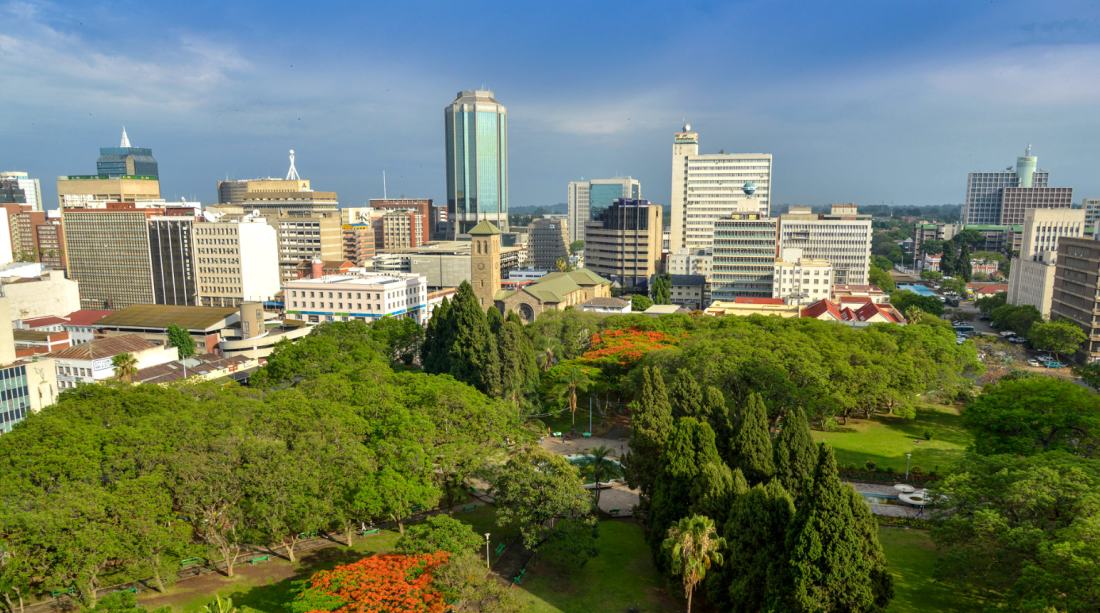
To Zimbabwe and to every citizen who has endured economic pressure, uncertainty, and the weight of unfulfilled expectations, this is not a time to retreat. It is a time to stand. Not because conditions are easy, but because history and faith both reveal that the greatest breakthroughs often come at the point where many are tempted to give up.
There is a kind of weariness that does not come from doing nothing, but from doing everything and still waiting. It is the fatigue of those who have believed, worked, prayed, and hoped, yet find themselves facing the same storms. Over time, this weariness can quietly turn into something more dangerous than opposition. It becomes a silent acceptance that things may never change. When a people reach that place, the battle is no longer only external. It has entered the realm of belief.
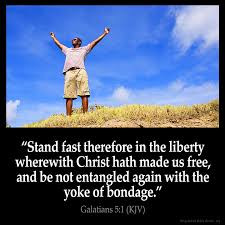
The Bible speaks with clarity into such moments: “Stand fast therefore in the liberty by which Christ has made us free, and do not be entangled again with a yoke of bondage” (Galatians 5:1). To stand fast is not passive. It is an act of resistance. It is the refusal to surrender your expectation of change, even when circumstances seem to argue otherwise.
A simple picture explains this. A fighter in a boxing ring may be knocked down, bruised, and exhausted, yet the outcome is not determined by the fall but by whether they rise before the count is finished. If they remain down, they lose. If they rise, there is still a fight. In many ways, Zimbabwe has taken blows, economically and socially, but the defining question is not how many challenges have been faced. The defining question is whether the nation will rise again in belief, vision, and resolve.
Scripture gives another powerful image. When Jesus and His disciples were crossing to the other side, a violent storm arose. These were not inexperienced men; some were fishermen who understood the sea. Yet this storm threatened to stop them from reaching their destination. It was not simply an inconvenience. It was resistance against progress. When Jesus arose, He spoke, “Peace, be still,” and the storm ceased. The lesson is clear. There are storms that will not stop until someone rises and confronts them.
Nations also encounter such storms. There are moments when silence becomes dangerous and passivity costly. There are times when people must rise again in faith, in conviction, and in expectation, refusing to allow discouragement to define their future. The Scripture says, “Watch, stand fast in the faith, be brave, be strong” (1 Corinthians 16:13). Strength is not the absence of struggle. It is the decision to remain standing in the midst of it.
The greatest battle Zimbabwe faces may not only be economic or political. It may be the battle over belief. Because when belief is lost, effort begins to fade, vision begins to shrink, and hope begins to disappear. But when belief is restored, even in small measure, something begins to shift. People start again. They rebuild. They reimagine what is possible.
- Mavhunga puts DeMbare into Chibuku quarterfinals
- Bulls to charge into Zimbabwe gold stocks
- Ndiraya concerned as goals dry up
- Letters: How solar power is transforming African farms
Keep Reading
This is why the call to stand is so critical. It is not a denial of reality. It is a refusal to accept that the current reality is final. It is a declaration that the storm does not have the last word. It is an insistence that there is still another side to reach.
Encouraging a nation to pray is not about ritual or routine. It is about reconnecting people to a sense of purpose, to divine possibility, and to the belief that change is still within reach. It is about acknowledging that beyond systems and structures, there is still a higher authority that can influence outcomes, restore what has been lost, and open doors that seemed permanently closed.
Zimbabwe has come too far to surrender now. The struggles are real, the delays are painful, and the challenges are undeniable, but none of these have the authority to define the future of a people who refuse to remain down. There comes a point where a nation must rise internally before it rises externally.
So let this be the moment where Zimbabwe stands again.
Let God be present in the economy, in the families, in the businesses, and in the aspirations of its people. Let there be a renewed conviction that change is not only necessary but possible.
No matter how strong the storm may appear, the call remains the same. Stand in faith. Stand in hope. Stand in vision. Stand in expectation. Because sometimes everything begins to change when a people simply refuse to stay on the ground.
Zimbabwe, stand fast.