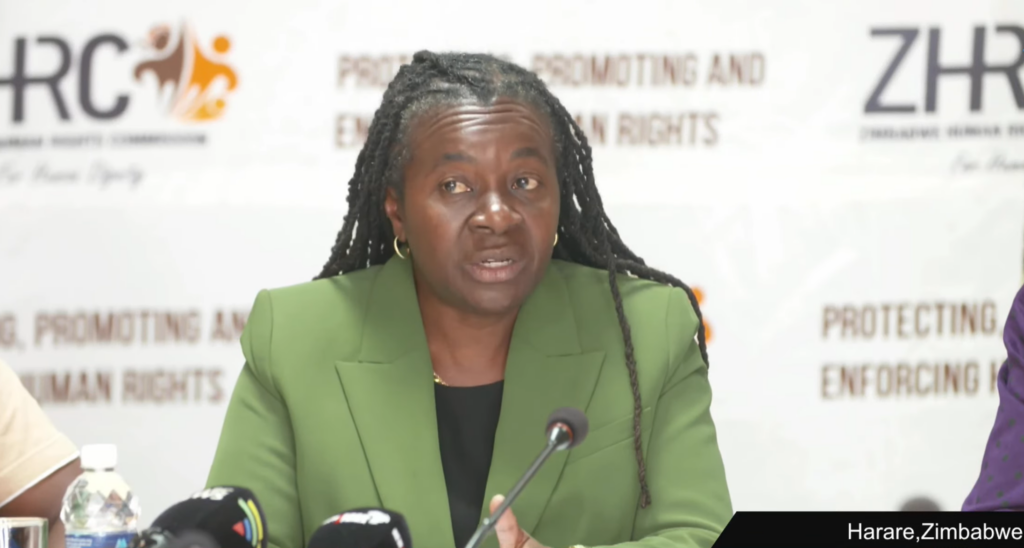
The removal of Fungayi Jessie Majome as chairperson of the Zimbabwe Human Rights Commission (ZHRC) is a chilling signal that, in President Emmerson Mnangagwa’s Zimbabwe, independent oversight is a luxury the state will no longer afford.
Masked as a bureaucratic “reassignment” to the Public Service Commission (PSC) under Section 202(1)(b) of the constitution, this move is a transparent attempt to decapitate an institution that dared to perform its constitutional mandate.
The timing of this dismissal—executed with “immediate effect”—is as cynical as it is revealing.
It follows directly on the heels of the ZHRC’s principled opposition to Constitutional Amendment Bill No. 3.
The commission had issued a sharp critique of the proposed legislation, warning that its provisions threatened to undermine democratic principles, weaken state accountability, and erode essential constitutional safeguards.
By removing the woman at the helm of this critique, the Second Republic has effectively declared that the protection of human rights is subordinate to the consolidation of executive power.
Majome’s reassignment to the PSC serves as a warning to all statutory bodies: silence is the price of job security.
- Teachers to embark on a go-slow
- Civil servants protest over bonus
- Overhaul incompetent civil service
- Mash Central chief pledges allegiance to ED
Keep Reading
The ZHRC’s objections were not isolated; they echoed a growing chorus of alarm from legal experts and civil society organisations who view Amendment Bill No. 3 as a direct assault on the democratic gains made in the 2013 constitution
In a healthy democracy, a human rights commission serves as a vital check on power. In Zimbabwe, it appears it is now viewed as an obstacle to be cleared.
By invoking constitutional provisions to sideline a critic, the presidency has weaponised the very law the ZHRC is meant to defend.
This is not merely an administrative shuffle; it is an attack on the integrity of independent commissions.
If the chairperson of a human rights body can be removed for pointing out that a law undermines accountability, then “accountability” has ceased to exist in the Zimbabwean political lexicon.
The international community must see this for what it is: a calculated retreat into authoritarianism.
When those tasked with guarding the rights of the people are silenced for doing their jobs, the rights themselves are in grave peril.
Zimbabwe’s path toward a more open society cannot be paved with the summary dismissal of its most courageous public servants.
Majome’s removal would also reinforce perceptions that Mnangagwa is desperate to hang on to power despite spending most of last year publicly stating that he won’t seek to extend his term beyond 2028.