Whenever I arrive in a new high-density suburb that I am not familiar with, I usually ask a question that many young women quietly ask but rarely say aloud.
“Is it safe to walk in these streets after 6 pm?”
It sounds like a simple question. Sometimes people even laugh when I ask it.
But the real reason behind the question is rarely simple.
The answer often depends on one thing, whether there are mutoriro bases nearby.
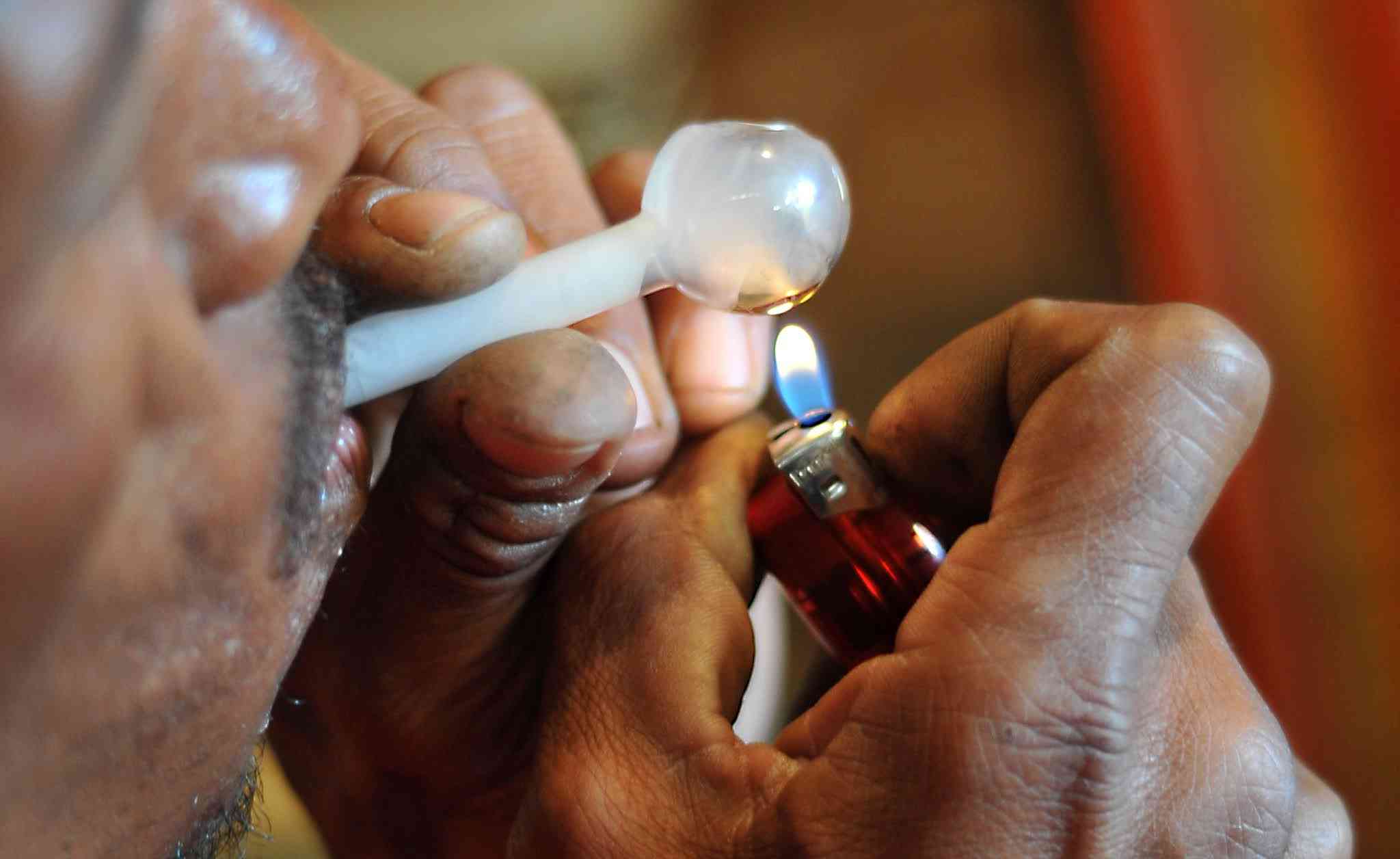
In many communities today, certain street corners, abandoned buildings, or open spaces have slowly transformed into gathering points where young people consume dangerous substances such as mutoriro. These places are commonly known in communities as mutoriro bases.
Once such places exist in a neighbourhood, the atmosphere of the entire area changes.
Young women begin to walk faster when passing certain roads. Parents become anxious when their children return late from school. Shop owners close earlier than they used to. Community members speak in hushed tones about what is happening, yet many feel powerless to stop it.
- Mavhunga puts DeMbare into Chibuku quarterfinals
- Bulls to charge into Zimbabwe gold stocks
- Ndiraya concerned as goals dry up
- Letters: How solar power is transforming African farms
Keep Reading
Drug and substance abuse is no longer an issue happening somewhere far away. It is happening in our neighbourhoods, in our schools, and sometimes even within our own homes.
What drug and substance abuse really means
Drug and substance abuse refers to the harmful or excessive use of substances that affect the mind and body, including alcohol, illegal drugs, and misused chemicals.
These substances change how people think, behave, and interact with others. Over time, they destroy not only the health of the user, but also the stability of families and communities. In Zimbabwe today, the increasing presence of substances such as mutoriro has raised serious concerns among community leaders, parents, teachers, and young people themselves. Many communities report that mutoriro has already taken the lives of promising young people and continues to threaten many more.
Listening to the voices of young people. As someone involved in counselling and empowerment programmes for teenagers and young adults in Manyame Rural District Council and surrounding areas, I spend many hours listening to young people speak openly about their experiences.
Sometimes their words are deeply troubling.
Some girls say they would rather get married early simply to escape the daily chaos at home when a parent or older relative returns drunk or under the influence of drugs. Some boys say they have chosen to stay away from home for long hours because the environment is no longer peaceful or supportive.
One young girl once said during a counselling session; "Sometimes I feel safer at school than at home."
These are not just personal struggles. They are development challenges affecting the well-being and future of an entire generation.
The hidden crisis in schools
Teachers across Zimbabwe are also witnessing the effects of drug use among learners. Some teenagers admit that certain substances, sometimes referred to by youths as “vapour” are occasionally brought into school environments by peers. When students experiment with such substances, their ability to focus during lessons is affected. By the time a teacher begins a lesson, some learners are already struggling to concentrate. In the words of some students themselves, they say they feel “Kusticker,” meaning their minds are no longer fully alert. Education is meant to be the foundation of opportunity. When drug abuse enters classrooms, it quietly erodes that foundation.
Fear within communities
One of the most complicated aspects of the drug crisis is the fear that exists within communities. Residents may know the locations where drugs are sold or consumed, but many hesitate to report these activities. Some fear retaliation. Others worry that reporting the issue may expose them to danger. For young women, the fear can be even more immediate. Walking past areas where drug users gather can feel intimidating. Concerns about theft, harassment, or personal safety often shape how women and girls move within their own neighbourhoods.
No community should reach a point where its residents feel unsafe in the very streets where they live.
A development issue, not just a social problem
Drug abuse must not be viewed only as a criminal issue. It is also a development issue.
When young people fall into substance abuse, communities lose productive citizens. Families lose stability. Schools lose students who might have become tomorrow’s professionals, teachers, engineers, farmers, or leaders. If Zimbabwe is to achieve its long-term development goals, protecting young people from destructive influences must remain a national priority.
In addition, many young people influenced by mutoriro cause serious problems within their own families. Some steal small amounts of money meant for essentials like food to buy the drug, while others take larger items, including televisions. Daily arguments and fights with parents have become common in households affected by mutoriro. Even when they are quiet, their behavior, restless, distracted, or appearing “KuSticker" creates tension and fear at home. In extreme cases, the influence of mutoriro has led to tragic outcomes, highlighting how dangerous this substance has become. Families often feel uncertain how to respond, leaving homes unstable and communities at risk.
What can be done?
Addressing drug abuse requires coordinated action from multiple sectors. The Ministry of Youth and other government institutions can expand programmes that provide young people with skills training, entrepreneurship opportunities, sports activities, and creative platforms.
Young people who feel hopeful about their future are less likely to turn to destructive habits.
Supporting community-based counselling
Local counselling and empowerment initiatives play a critical role in identifying early signs of substance abuse. Expanding support for community-based programmes can help young people receive guidance before problems become severe.
Strengthening school prevention programmes
Schools must continue to play a central role in prevention. Teachers, guidance counsellors, and parents should work together to educate students about the dangers of drug abuse and encourage healthy lifestyles.
Improving Community Safety. Community policing initiatives can help residents report concerns safely.
Addressing the growing mutoriro crisis requires the active involvement of multiple stakeholders working together at both national and grassroots levels. Government ministries responsible for youth development, health, education, and community welfare must collaborate with the Zimbabwe Republic Police, local authorities, traditional leaders, civil society organisations, and community-based groups to strengthen prevention and response strategies.
Schools in particular must become key spaces for early intervention. Introducing regular life skills education, drug awareness campaigns, peer support programs, and counselling services can help students understand the dangers of drug abuse before they are exposed to it. Teachers, guidance counsellors, and parents should work together to create safe environments where young people can openly discuss pressures they face.
In addition, community outreach programmes, youth empowerment initiatives, and mentorship opportunities can also provide positive alternatives that keep young people engaged in productive activities. By combining policy action with strong grassroots engagement and education in schools, Zimbabwe can build a united front against mutoriro and protect the future of its young generation that is Protecting the Future of Zimbabwe is by protecting young people who are talented, energetic, and full of potential. Yet that potential cannot flourish in communities where drugs continue to undermine safety, education, and hope. Addressing drug and substance abuse requires courage, cooperation, and commitment from everyone, government leaders, teachers, parents, police officers, community organisations, and young people themselves.
The future of our communities depends on the choices we make today.
*Mitchel Zvingowaniseyi is a development practitioner working with community leaders in Manyame district to provide youth counselling and empowerment programmes. She can be reached at mzvingowaniseyi@gmail or Facebook- Mitchel zvingowaniseyi