Climate change is no longer a distant global debate or a theoretical scientific concept. It is a lived reality that is already shaping the way people farm, work, eat and survive.
From prolonged droughts to destructive cyclones and erratic rainfall patterns, the signs are clear: the climate is changing, and the impacts are being felt everywhere.
For Zimbabwe, a country whose economy and livelihoods are deeply tied to natural resources, the stakes are particularly high. Confronting human-induced climate change is, therefore, not only an environmental necessity but also a national survival imperative.
Climate change affects the very foundations of life. It influences the air we breathe, the water we drink and the food we eat. When rainfall patterns shift unpredictably, crops fail and food security is threatened.
When temperatures rise, water sources dry up and livestock struggle to survive. Communities that rely heavily on agriculture and natural ecosystems become extremely vulnerable. In Zimbabwe, where a large portion of the population depends on rain-fed farming, climate variability can mean the difference between a successful harvest and widespread hunger.
In recent years, Zimbabwe has experienced a growing number of extreme weather events that demonstrate the seriousness of the crisis. Severe droughts have reduced crop yields, while intense storms and cyclones have destroyed homes, infrastructure and livelihoods. The devastating effects of Cyclone Idai in 2019, for example, exposed how vulnerable communities can be when climate-related disasters strike. At the same time, recurring droughts have left farmers struggling to maintain productivity, threatening both household incomes and national food supplies.
While many people still view these events as natural occurrences, one of the most important truths about climate change is that it is largely driven by human activity. The idea that climate change is simply an “act of God” is not supported by science. Decades of research have shown that the burning of fossil fuels, deforestation, industrial emissions and unsustainable agricultural practices are significantly increasing greenhouse gas concentrations in the atmosphere. These gases trap heat and disrupt the planet’s natural climate systems.
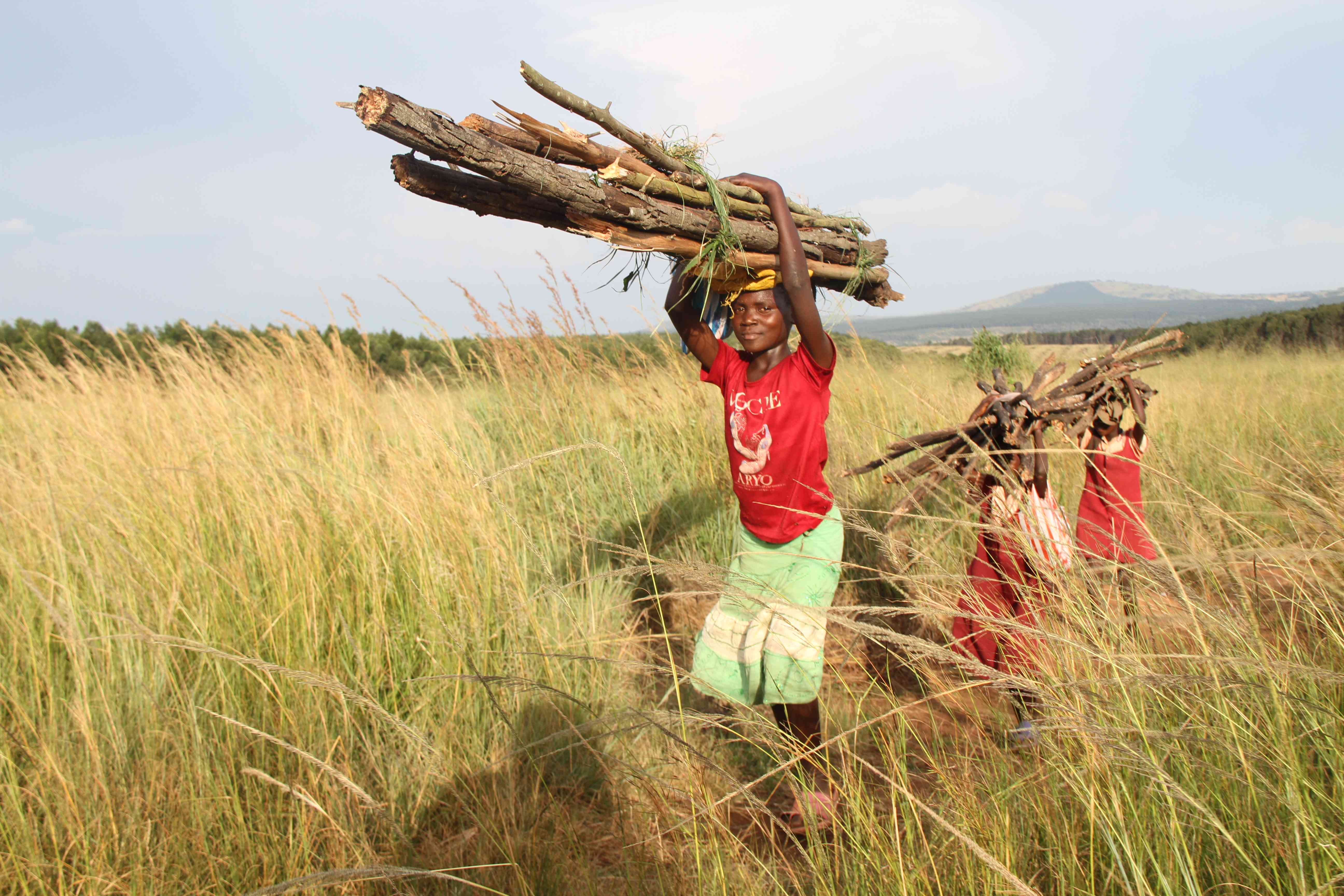
In Zimbabwe, human activities also play a role in worsening environmental degradation. Deforestation is one of the most visible examples. Trees are cut down for firewood, charcoal production and land clearing for agriculture.
- COP26 a washout? Don’t lose hope – here’s why
- Out & about: Bright sheds light on Vic Falls Carnival
- Over 400 nabbed for environmental violations
- COP26 a washout? Don’t lose hope – here’s why
Keep Reading
While these activities may meet immediate economic needs, they contribute to long-term environmental damage. Forests act as natural carbon sinks, absorbing carbon dioxide and helping regulate the climate. When they disappear, not only is carbon released into the atmosphere, but ecosystems also lose their ability to maintain environmental balance.
Land degradation is another major challenge. Unsustainable farming practices, overgrazing and poor land management have left many areas vulnerable to erosion and declining soil fertility. This not only reduces agricultural productivity but also weakens the land’s ability to withstand climate shocks such as droughts and floods. When soils lose their structure and nutrients, farmers become even more dependent on unpredictable rainfall, deepening the cycle of vulnerability.
Despite these challenges, there are encouraging signs that Zimbabwe is beginning to take climate change more seriously. Government policies aimed at promoting renewable energy, conservation agriculture and climate-resilient infrastructure demonstrate a growing awareness of the need for action. National climate strategies and international commitments show that Zimbabwe recognises the importance of playing its part in global climate efforts.
However, policies alone are not enough. Addressing climate change requires a collective shift in behaviour, attitudes and priorities across society. Citizens, businesses, communities and institutions must all recognise their role in protecting the environment. Climate change is not only a government responsibility; it is a shared challenge that demands shared solutions.
One of the most important steps Zimbabwe can take is to accelerate the transition to renewable energy.
Solar power, in particular, offers enormous potential. With abundant sunshine throughout the year, Zimbabwe is well positioned to harness solar energy for homes, industries and rural electrification. Expanding renewable energy infrastructure would not only reduce greenhouse gas emissions but also improve energy access and reduce dependence on imported fuels.
Sustainable agriculture is another critical area for action. Climate-smart farming methods such as conservation agriculture, crop diversification, agroforestry and efficient water management can help farmers adapt to changing conditions while protecting the environment.
These approaches improve soil health, retain moisture and increase resilience against drought. Supporting farmers with training, research and access to climate-resilient seeds will be essential for strengthening food security in a warming world.
Community awareness and education must also play a central role.
Many people still see environmental conservation as a distant or secondary issue, yet their daily choices have a significant impact. Simple actions such as reducing deforestation, protecting wetlands, planting trees and managing waste responsibly can collectively make a meaningful difference.
When communities understand the connection between their actions and environmental outcomes, they become powerful agents of change.
Equally important is the role of young people and civil society. Across the world, youth movements have emerged as strong voices demanding climate action. In Zimbabwe, empowering young people to participate in environmental initiatives, research and advocacy can help drive long-term solutions. Their creativity, energy and innovation are vital for building a sustainable future.
Ultimately, confronting human-induced climate change requires both courage and responsibility. It means acknowledging that the crisis is not simply a natural disaster but the result of choices made over time. It also means recognising that those same choices can be changed. The path forward lies in adopting cleaner energy, protecting ecosystems, promoting sustainable agriculture and strengthening community resilience.
*Gary Gerald Mtombeni is a Harare based journalist. He writes here in his personal capacity. For feedback Email [email protected]/ call: +263778861608