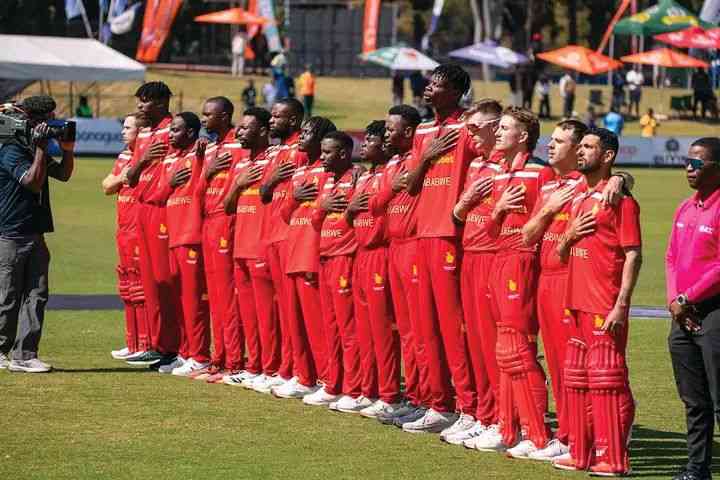
FOR the last couple of weeks, the spotlight has been on Takashinga Cricket Club after it hosted its first World Cup during the International Cricket Council Men's Under-19 World Cup currently taking place in the country.
It is easy to forget another similar project that started at roughly the same time as Takashinga, Emakhandeni Cricket Club, in Bulawayo. Both clubs opened their doors at the turn of the century around 2003, giving black people from the disadvantaged areas access to the game of cricket and a place to call their home.
The successful hosting of seven matches at Takashinga and making it a truly international venue has reignited conversations about what is happening in other centres in Zimbabwe. Emakhandeni was built on a dry area and their main challenge for years was how to water the field because there is not enough water to sustain the drilling of a borehole and water the field. But the solution to the water woes that had hampered this project has finally been found.
Nick Singo, the godfather of black cricket in Matebeleland, who is one of the founders of Emakhandeni, spoke to Bulawayo City Council to get permission to draw water from the nearby Mtshingwe Primary School.
"We are now drawing water 350 metres away at Mtshingwe Primary school. I knew that Mtshingwe had a lot of water, I then wrote to Bulawayo City Council seeking a smart partnership between the school and the club," Singo told The Sports Hub during a recent visit at Emakhandeni.
"There was a borehole and we went and refurbished it. They are now also benefitting from the water as we pump that water into their tanks for free."
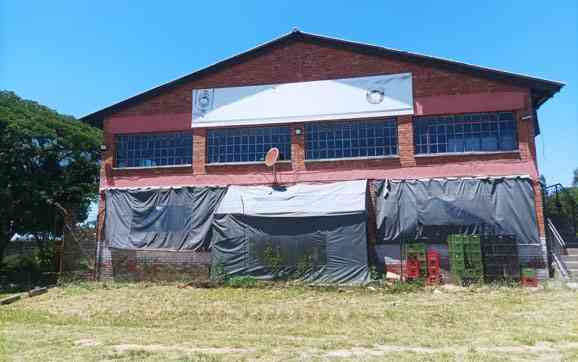
During our tour of the facility, we also saw the newly erected tank with 100,000-litre capacity at Emakhandeni. They also want to work on the centre wicket and raise it up higher as it is too low.
There has been criticism from certain quarters about the slow pace of developments at the ground and the community, by initiating self-help projects. Singo, who has worn so many hats within Zimbabwe Cricket (ZC), from being a development manager, national schools manager and later the general manager of Tuskers, has attributed the delay to him travelling the length and breadth of Zimbabwe on different cricket appointments.
- Emakhandeni gets boost as construction begins
Keep Reading
"If you start something, I always believe you must finish it. If somebody takes it over...if you start building a house today and if you go somewhere, the pace of building the house will stall," he added.
"Unfortunately, I have been moving a lot, I have been to Harare, Masvingo, Hwange, that took away that steam. The good thing is that those that we left behind managed to hold this thing together somehow just to keep the club going. But they might not have a similar drive like I have.
"If I had stayed here, the project would have moved, look at Takashinga, the guys who are pushing Takashinga are based in Harare. Sometimes they meet at Takashinga for drinks."
Singo believes that the upgrading of Emakhandeni to the levels of Takashinga will aid their aggressive grassroots initiatives.
"The guys have done well by coming up with a club, the club is very strong. The junior policy that is there is a very aggressive one," said Singo.
"We are working very hard on our junior cricket policy. This season Amakhosi is very strong in the NPL."
Just like Takashinga who changed their name from Old Winstonians, Emakhandeni are also contemplating changing their name to Amakhosi, reflecting the direction that they want to take.
"My only problem now is if we continue calling it Emakhandeni it looks like it belongs to the community of Emakhandeni not the wider Bulawayo population. We want to call it Amakhosi. That name would be more encompassing than calling it by a suburb name."
ZC is earmarking using Emakhandeni as one of the warm-up venues for the 2027 senior men's World Cup that Zimbabwe is co-hosting with South Africa and Namibia.
At this decisive phase, the leadership in Bulawayo have the privilege of tapping into the knowledge of cricket development stalwart and Takashinga co-founder, Steve Mangongo, who is now based in Bulawayo where he is heading the High Performance Centre there.
"We have started working together, I think the administration before didn't work well with him. We are trying to align their projects with ours," said Pollock Mubobo, Tuskers general manager.
"As of last November, we started working together well. This year it will start bearing fruits. Steve's heart is in development. We will benefit more by having Steve here."
Takashinga is an example of how a place can be transformed and be an oasis of hope to the people of the high-density areas and as Emakhandeni is now poised to get a big facelift, Singo believes they can learn a lot from Takashinga.
"We are copying a lot of things from the Takashinga project, we are also trying to get the community buy-in and taking ownership of this project," said Singo.
"In the past, local corporates didn't put in money because they said it was a ZC project and they think ZC has a bottomless pit of money." ZC wanted to put an indoor facility at Emakhandeni but the think tank within Bulawayo felt that they are better served with more nets.
"ZC wanted to put an indoor facility at Emakhandeni but we sat down and said we are better served by having at least 20 practice nets," he said.
"We asked ourselves, does it rain that much here, do people come to practice at night? More people come during the day. We will then invite as many schools as possible and allocate them time to use the nets."
Emakhandeni has produced many players who have gone on to represent the senior men's national team like, Brian Chari, John Nyumbu, Ainsely Ndlovu, Ernest Masuku and Tawanda Mupariwa, among others.