Bulawayo mayor David Coltart has accepted an ambassadorial role to mobilise support in Bulawayo behind the opposition-led Sungano Yevanhu/Ubumbano Lomphakathi coalition opposing Constitutional Amendment Act No 3 as discontent grows over President Emmerson Mnangagwa’s controversial term extension.
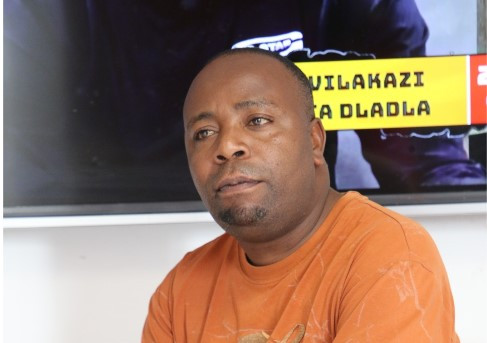
Coltart, a Citizens Coalition for Change (CCC) ward 4 councillor, was last week unveiled as one of the coalition's ambassadors following the launch of the movement by United Theological College principal reverend Kupakwashe Mtata.
The coalition brings together opposition leaders, constitutional lawyers, war veterans, churches and civic groups opposed to the constitutional changes.
Its members include constitutional lawyer Lovemore Madhuku, CCC leader Jameson Timba, Transform Zimbabwe leader Jacob Ngarivhume and war veterans, Reuben Zulu, who is among those who have challenged the amendments in court, Godfrey Gurira and Shorai Nyamangondo.
Coltart told The Standard that he fully backed the coalition's objectives and would champion its activities in Bulawayo.
"I am in support of what they are doing. I am rigidly against CAB3 and I believe it is wrong for our country," he said.
"I am happy to support what they are doing. The ambassadorial role is a token role, demonstrating that I support the general objectives.
“I will be representing the interests of the coalition in Bulawayo and promoting its cause there."
- Outrage over school uniform prices
- Schools reopen amid deepening teacher crisis
- Village Rhapsody: Sanctions are not the reason Zim is in a mess
- Outrage over school uniform prices
Keep Reading
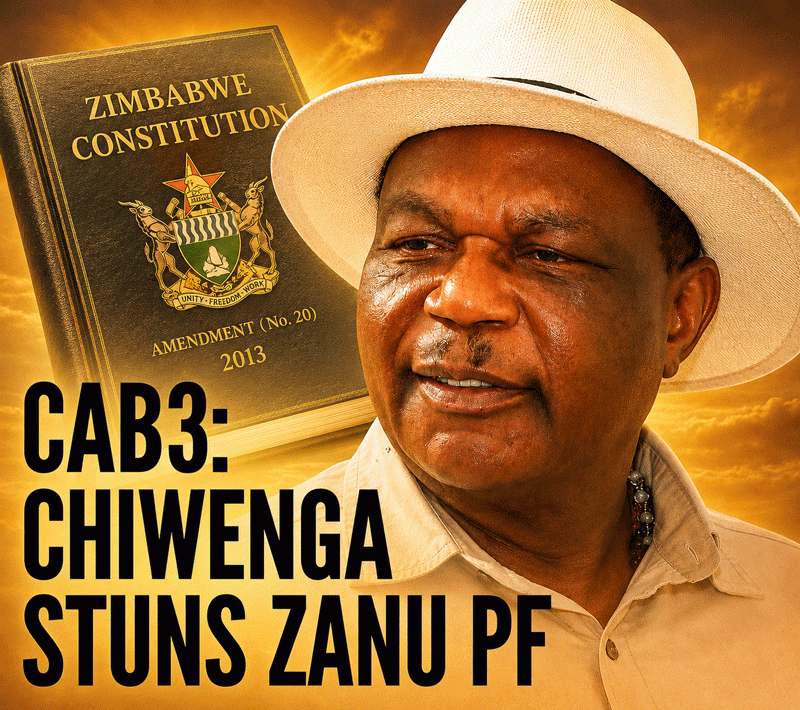
Mnangagwa recently signed Constitutional Amendment Act No 3 into law after Parliament approved the controversial legislation.
The Act introduced sweeping constitutional changes, including extending the terms of office for the president, Parliament and local authorities from five to seven years.
It also changes the election of future presidents by providing for their election through a joint sitting of the National Assembly and Senate instead of by direct popular vote.
The amendments have been fiercely opposed by opposition parties, constitutional lawyers and civil society organisations, who argue that they undermine the spirit of the 2013 constitution.
The government, however, insists the reforms were necessary to strengthen governance and improve institutional efficiency.
A group of retired generals and senior civil servants last week declared they would “not just watch” as the country’s supreme law was being dismantled, promising to wage a relentless but lawful campaign.
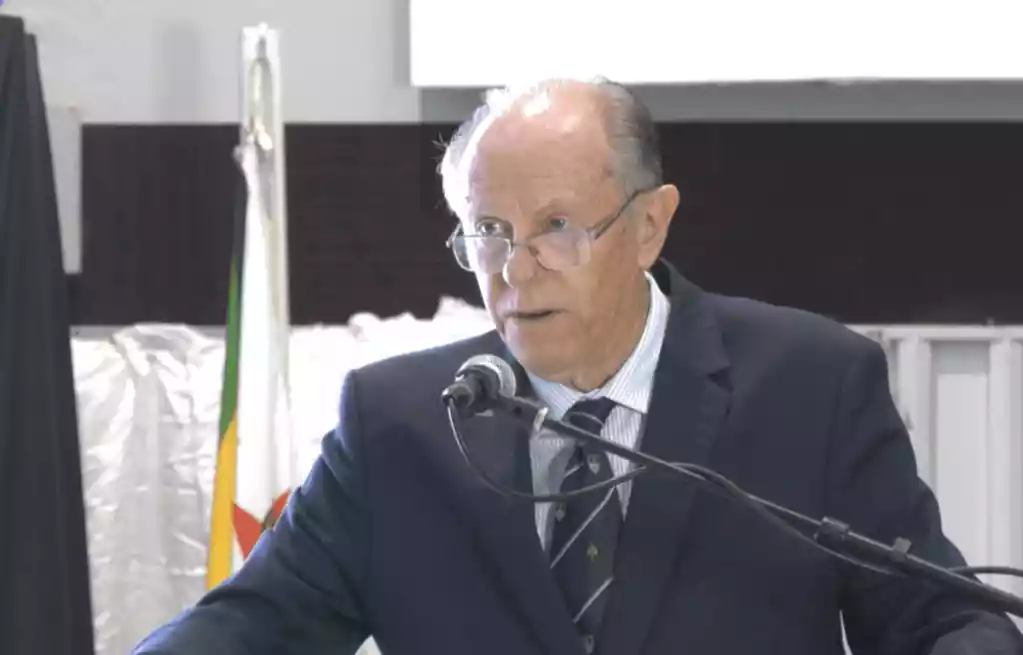
Speaking on behalf of the group, retired air marshal Henry Muchena said the constitution belonged exclusively to Zimbabweans and not to those exercising political power.
In one of the statement’s most striking comparisons, Marshal likened the amendment to the principles that underpinned Rhodesia’s Unilateral Declaration of Independence (UDI) in 1965.
Without prescribing a specific political strategy, the group called on Zimbabweans to oppose the constitutional changes using lawful means.
“Zimbabweans must now organise, mobilise and use every lawful method available to resist and reject this constitutional abomination. Silence is no longer neutrality. Silence is complicity,” he said.
“We did not spend our careers defending this nation’s institutions to now watch them destroyed under colour of legality. Our resistance must be disciplined. It must be lawful. It must be relentless.”
Mtata described the new law as illegitimate, arguing that a law inconsistent with the constitution could not command legitimacy.
"The constitution still exists. The president signed a piece of paper, but the constitution, the one written in the hearts of Zimbabweans, still stands," Mthatha said.
"CAB3 is a rogue act. It is unconstitutional. A law that violates the constitution is not a legitimate law. It is a counterfeit."
Mtata also urged Zimbabweans to resist the law through peaceful and lawful means, including participating in peaceful demonstrations, speaking out against the amendments, documenting alleged rights violations, supporting victims of political persecution and organising community-based civic action.
He, however, cautioned supporters against expecting an immediate reversal of the constitutional changes.
"This is a marathon, not a sprint. The Constitutional Court will take months to hear the case. International pressure will take time to build and the people's movement will take time to grow," Mtata said.