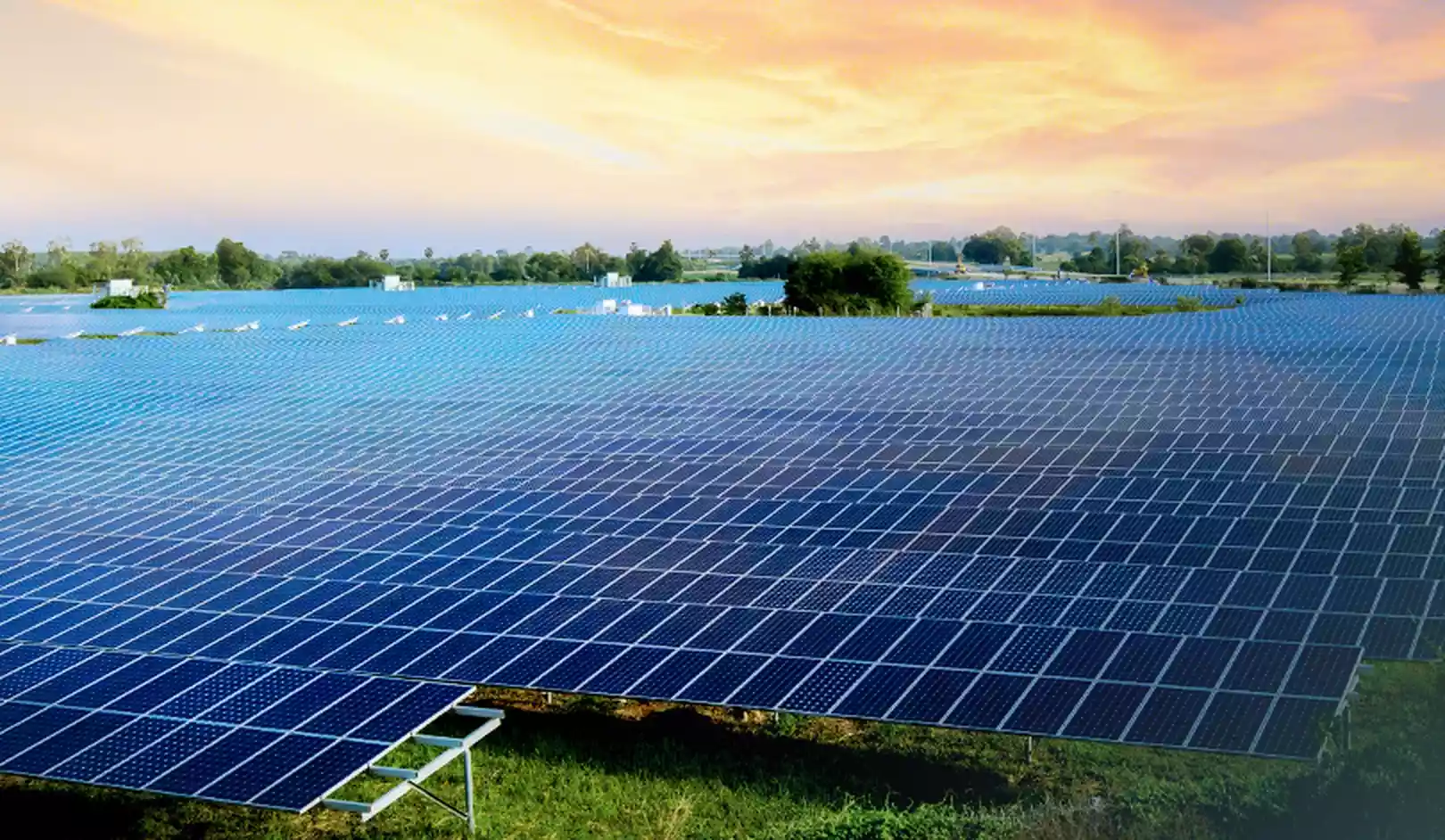
THE Renewable Energy Association of Zimbabwe (REAZ) is actively lobbying for enhancements to the National Energy Policy and product standards to foster more investments into renewables as the country’s power needs accelerate, Standardbusiness can reveal.
Zimbabwe’s National Energy Policy prioritises secure and sustainable energy to support economic growth, in line with Vision 2030.
Recent revisions include this year’s National Energy Efficiency Policy, which targets improved energy-saving measures, and the National Energy Compact, which outlines plans to achieve full electricity access by 2030.
These policies emphasise expanding renewable sources, upgrading infrastructure, promoting cleaner cooking options, strengthening regional power links, and drawing in US$9 billion in new investment to achieve these goals.
Overall, the strategy aims to grow solar and wind capacity, cut dependence on imported power, and increase private-sector participation in the energy sector.
In an interview with Standardbusiness on the sidelines of last week’s Solar & Storage Zimbabwe Conference 2025 event held in Harare, REAZ chairman Isaiah Nyakusendwa emphasised to the paper the need for enhanced global investments.
“The association is actively lobbying for enhancements to the National Energy Policy and product standards to foster investment,” Nyakusendwa said.
“Furthermore, efforts are underway to register products and streamline the governance of solar energy, with expectations for new developments in the coming year.
- Govt commits to embracing clean energies
- Calls for policy overhaul to unlock renewable energy investments
- Renewable energy drive falls short
- GET.invest to drive renewable energy–agriculture synergies in Zimbabwe
Keep Reading
“The need for a refined global investment agreement and better insurance options has been recognised as crucial for encouraging foreign investment and improving the country’s financial environment.”
The need for investments comes as Zimbabwe has a power deficit of up to 1 600 megawatts (MW), yet the country’s renewables potential is 1 872MW worth of power, according to the Zimbabwe Energy Council.
From this renewable power generation potential, the council noted 600MW would come from solar, geothermal (50MW), biomass (1 000MW), small hydro (120MW), and wind (100MW),
Nyakusendwa called on the government to focus on macroeconomic stability, particularly in stabilising the exchange rate, to allow investors to lend money to the private sector for energy projects.
“Discussions with the World Bank emphasised the importance of addressing the capacity challenges faced by private players, many of whom are still recovering from past operational stress,” he said.
“Concessional funding was identified as a potential solution to assist these businesses in accessing capital needed for growth and development.
“By improving the financing environment and enabling partnerships, Zimbabwe can enhance its attraction for investment and support the broader energy sector.”
The government’s recently launched National Development Strategy (NDS) 2 for the period 2026 to 2030 prioritises achieving universal access to reliable, affordable, sustainable, and clean energy for all Zimbabweans by 2030.
The government will continue promoting the use of renewable energy resources as a primary source of energy, particularly solar, wind, and hydroelectric power.
During the NDS 2 period, national electricity generation capacity is targeted to increase to 6 000MW, from the current 2 950MW, driven by both government- and private sector-led projects.
The prioritised projects, in particular, are expected to deliver a cumulative 2 471MW of new capacity by 2030.
“Over 170 Independent Power Producers (IPPs) are registered with the Zimbabwe Energy Regulatory Authority, with 48 of these being operational as of 2025, contributing about 4% to the national energy grid,” reads the NDS 2 document.
Some of the prioritised renewable projects are a battery energy storage system with the capacity to provide 600MW dependable power, which needs US$400 million.
Another is the development of a 500 MW gas-to-power project with the source coming from Muzarabani, where Australian energy firm Invictus Energy Limited is currently exploring for oil and gas.
The NDS 2 document also talks about the Gwayi-Shangani Hydro Power Project that will generate 10MW at a cost of US$25 million, the 15MW Tugwi-Mukosi Hydro Power Project (US$32 million), 90MW Mutorashanga solar project (US$86 million), and the 30MW Gairezi mini-hydropower plant in Nyanga.
“The issues arise largely from aging power plants and the effects of climate change on hydro generation, underscoring the urgent need for solutions such as expanding solar energy installations to enhance the reliability of power supply in the region,” Nyakusendwa said.
The Solar & Storage Zimbabwe Conference is an annual event that gathers industry players focused on renewable energy, particularly solar and energy storage solutions.
The conference was organised by the Indian-based FirstVIEW Media Ventures Private Limited, which operates as part of the Firstview Group, delivering specialised business services that foster knowledge exchange, professional development, and industry growth.
“Zimbabwe is at a defining moment in its clean energy journey.
“The country has the demand, the resources, and a growing investor interest — now the focus should be on turning this momentum into bankable projects,” FirstVIEW Media Group chief executive officer Varun Gulati said.
“We see Zimbabwe emerging as one of the most promising renewable energy markets in the region, and we are committed to supporting stronger collaboration between policymakers, developers, and financiers to accelerate this transition.”