A nation’s health is its most valuable asset, the foundation upon which economic prosperity, social stability, and long-term development are built.
Zimbabwe’s aspiration to become an upper-middle-income economy by 2030 rests on the shoulders of a healthy, educated, innovative, and resilient population.
Yet the country faces a growing threat that endangers this ambition: the rapid rise of drug and substance abuse among young people.
While conventional health models often define wellness as simply the absence of disease, the World Health Organisation offers a more holistic view — health as a state of complete physical, mental, emotional, psychological, social, and economic well-being.
By this definition, drug and substance abuse represents a profound assault on national health and development.
It undermines the capacities of young people, erodes family structures, burdens the health and justice systems, and weakens the labour force needed to drive Zimbabwe’s economic transformation.
Research suggests that drug and substance abuse in Zimbabwe has escalated at an alarming rate, particularly among youths aged 15 to 29.
Cannabis, crystal meth (commonly known as mutoriro), illicit cough syrups, prescription opioids, and emerging synthetic substances dominate usage patterns.
- Mavhunga puts DeMbare into Chibuku quarterfinals
- Bulls to charge into Zimbabwe gold stocks
- Ndiraya concerned as goals dry up
- Letters: How solar power is transforming African farms
Keep Reading
The consequences are severe and far-reaching.
School dropout rates have risen among drug-using adolescents, with youths who abuse drugs being significantly more likely to disengage from formal education.
When the future labour force becomes compromised during these formative years, the nation risks a long-term developmental setback.
Drug and substance abuse harms health across multiple dimensions such as physical health, mental and emotional health and economic well-being.
Chronic drug use contributes to respiratory complications, cardiovascular disease, liver and kidney damage and increased vulnerability to infectious diseases such as HIV, hepatitis, and tuberculosis.
These conditions not only deteriorate individual health but also place immense strain on an already burdened healthcare system.
It is important to note that on mental and emotional health; substance abuse fuels: anxiety, depression, hallucinations and psychosis, violent behaviour and increased risk of suicide.
These mental-health crises have ripple effects on families, workplaces, and communities.
More so, poor health diminishes productivity, increases medical costs, and reduces national earnings. A compromised workforce weakens national competitiveness and delays socio-economic progress.
For Zimbabwe, a nation working tirelessly toward industrialisation, digital transformation, and agricultural modernisation, this loss is particularly costly.
Drug and substance abuse is not simply a social problem; it is an economic emergency.
Research suggests that across sub-Saharan Africa, drug misuse is estimated to cost economies up to 5% of GDP through reduced productivity and healthcare expenditure. Zimbabwe is no exception.
Evidence has shown that drug-related offences are overwhelming the criminal-justice system, diverting resources from other pressing legal matters.
The long-term effect is a slowdown in national development and weakened institutional capacity.
If not urgently addressed, drug and substance abuse threatens to derail the demographic dividend that Zimbabwe relies upon for Vision 2030, with a young population that should be a driving force for innovation, digital growth, and entrepreneurial expansion.
Though debates continue regarding whether external actors intentionally destabilise emerging economies through the proliferation of drugs, the rise of potent and cheap substances entering the region cannot be ignored.
The possibility of foreign-driven supply chains underscores the importance of strong border security, international collaboration, and intelligence-driven policing.
Strengthening the Narcotics Unit within the Zimbabwe Republic Police and empowering immigration, customs, and security agencies is critical to safeguarding national stability.
In fact, a coordinated, multi-sectoral approach is essential and that the nation must combine prevention, treatment, enforcement, and empowerment into a single national strategy.
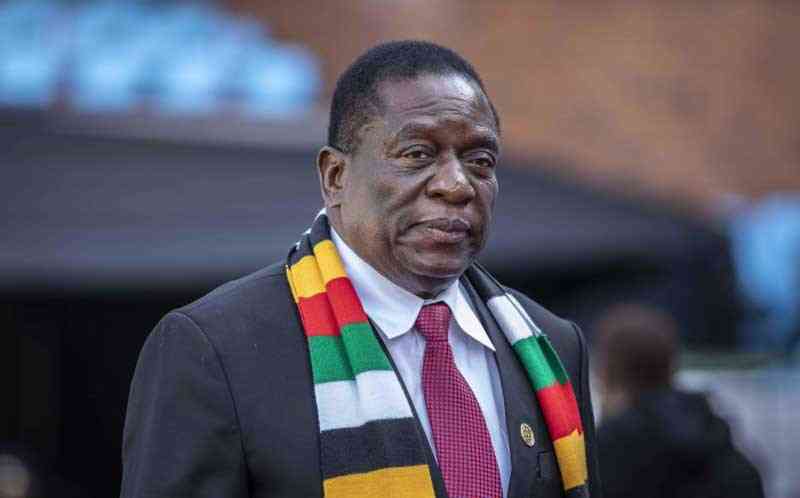
President Emmerson Mnangagwa has consistently condemned drug and substance abuse, framing it as a threat to national progress, stability, and youth development.
His stance has helped to mobilise communities and align government ministries toward a common objective.
For this reason, leadership at every level, from cabinet ministers to councillors and village heads, must champion this cause.
The fight against drug and substance abuse is not merely a moral obligation; it is an urgent developmental priority.
However, I am confident that the nation's resilience, vision, and determination to build a drug-free society where every citizen contributes meaningfully to national progress, will absolutely achieve its Vision 2030 and ensure that its young people, the backbone of innovation, labour, and leadership, are not trapped in cycles of addiction and despair.
A healthy nation is a prosperous nation. And as Zimbabwe marches toward Vision 2030, protecting the wellbeing of its youth is not just an option, but it is a strategic imperative for a brighter, stronger, and more prosperous future.
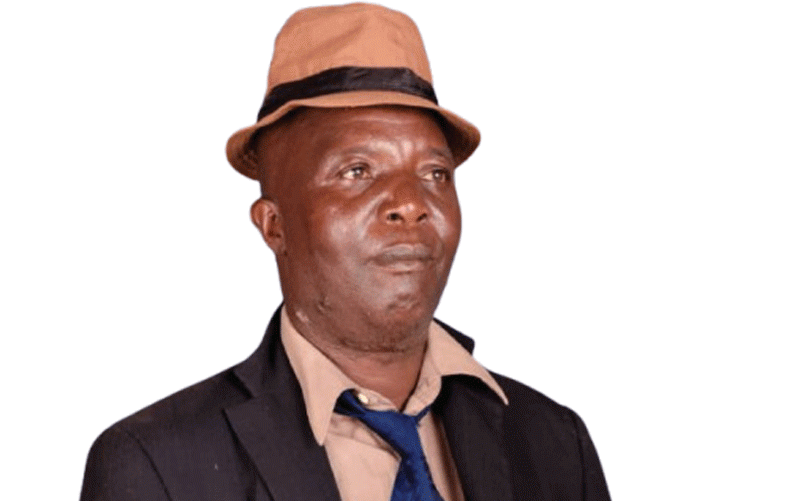
*Clever Marisa (PhD) is a social scientist and public health practitioner. The views expressed are his own and do not necessarily reflect those of any affliated institution or organisation.