The relationship between Africa and Japan has evolved into one of the most significant partnerships of the modern era, founded on mutual respect, shared prosperity, and a common vision for peace and sustainable development.
The Tokyo International Conference on African Development (TICAD), launched by Japan in 1993, remains a shining example of this commitment.
As the first summit framework dedicated to frank and constructive dialogue between African leaders and development partners, TICAD has grown into a vital platform for shaping Africa’s future.
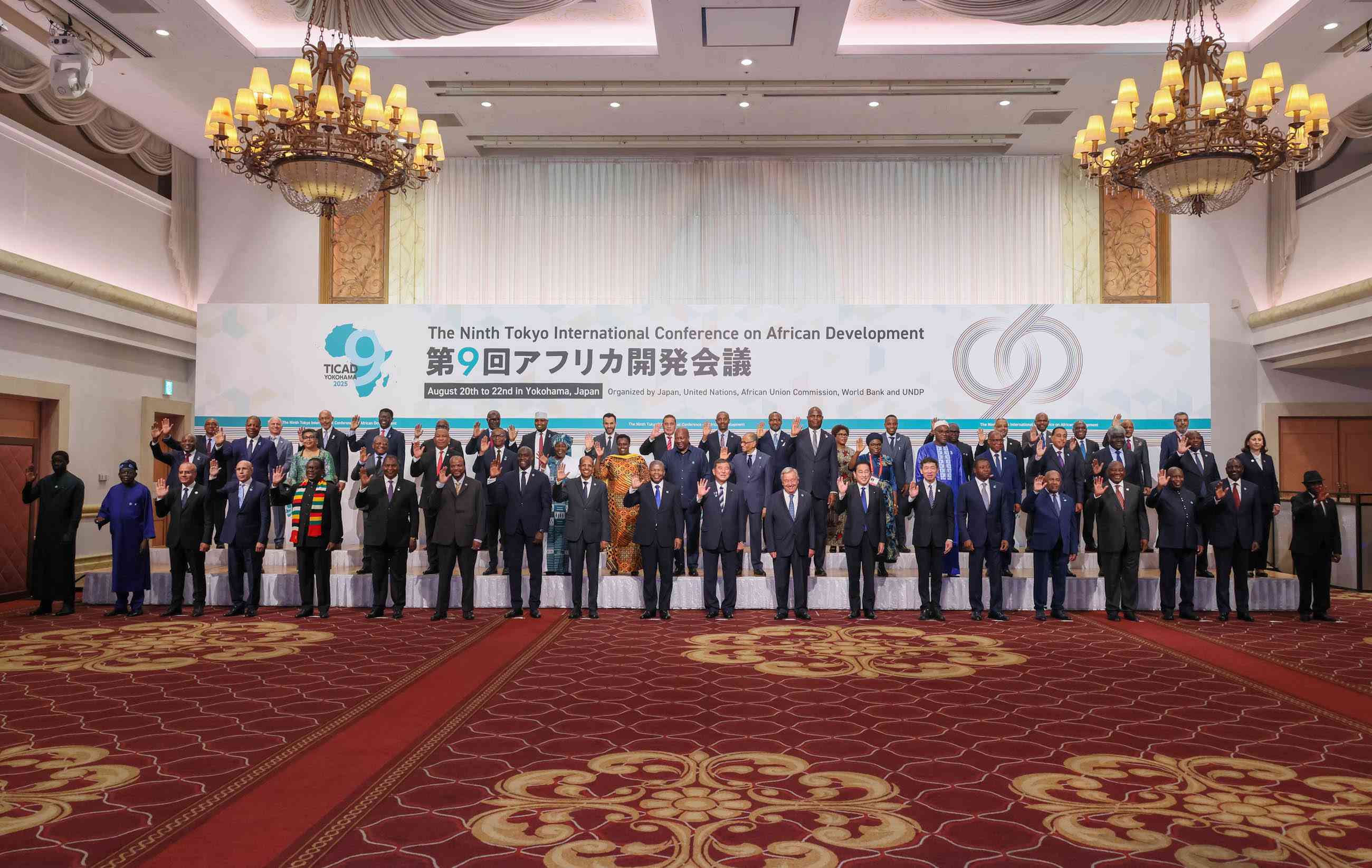
The successful hosting of TICAD9 in Yokohama last year was particularly significant as it coincided with the 45th anniversary of diplomatic relations between Japan and Zimbabwe.
Held under the theme “Co-create Innovative Solutions,” the summit reaffirmed Japan’s long-term commitment to Africa and highlighted the importance of collaborative approaches to addressing contemporary challenges.
The participation of President Emmerson Mnangagwa underscored Zimbabwe’s recognition of Japan as a strategic partner in development, investment, and international cooperation.
At the heart of TICAD9 was Japan’s renewed Africa diplomacy, anchored on three pillars: realising a continent of peace, creating a virtuous cycle of growth between Africa and Japan, and building a society where everyone can genuinely feel prosperity through empowering the younger generation.
These pillars are not only relevant to Africa’s aspirations but also align closely with Zimbabwe’s development ambitions.
- Open letter to President Mnangagwa
- Feature: ‘It’s worse right now than under Mugabe’: Sikhala pays the price of opposition in solitary cell
- Masvingo turns down fire tender deal
- Human-wildlife conflict drive African wild dogs to extinction
Keep Reading
The first pillar, realising a continent of peace, is perhaps the most fundamental.
Sustainable development cannot occur without peace, stability, and effective governance.
Across Africa, conflicts, political instability, and insecurity continue to undermine economic growth and social progress.
Japan’s approach is noteworthy because it is informed by its own historical experience.
Having rebuilt itself from the devastation of the Second World War, Japan understands that lasting prosperity begins with peace.
Through financial support, technical assistance, and capacity-building initiatives, Japan has contributed significantly to African peacekeeping efforts.
Its support for peacekeeping training centres across the continent, including institutions in countries such as Kenya, South Africa, Rwanda, and Ghana, demonstrates a practical commitment to strengthening African-led solutions to African challenges.
The establishment of the International Peace Mediation Unit further illustrates Japan’s willingness to play a proactive role in conflict prevention and resolution.
For Zimbabwe and Africa as a whole, this commitment is particularly important.
A peaceful continent is better positioned to attract investment, expand trade, and improve the livelihoods of its citizens.
Peace is not merely the absence of conflict; it is the foundation upon which democratic governance, economic opportunity, and social development are built.
The second pillar focuses on creating a virtuous cycle of growth between Africa and Japan.
This approach reflects a shift from traditional donor-recipient relationships towards genuine partnerships that benefit both sides. Africa possesses immense natural resources, a rapidly growing population, and significant economic potential.
Japan, on the other hand, offers advanced technology, innovation, capital, and industrial expertise.
The success stories of Japanese companies operating in Africa demonstrate the value of this partnership.
Investments by companies such as Toyota, Isuzu, and Saraya have created thousands of jobs while transferring skills and technology to local communities.
These investments show that economic cooperation can deliver tangible benefits for African countries while opening new opportunities for Japanese businesses.
For Zimbabwe, this model presents exciting possibilities. The country’s rich mineral resources, including lithium and other critical minerals essential for modern technologies, position it as a potentially important partner in global supply chains.
As demand for minerals used in electric vehicles, renewable energy systems, and advanced manufacturing continues to grow, Zimbabwe has an opportunity to leverage strategic partnerships with countries like Japan to promote value addition, industrialisation, and sustainable economic growth.
Equally important is Japan’s commitment to strengthening regional integration through initiatives that support transport networks, logistics corridors, and trade connectivity.
The African Continental Free Trade Area (AfCFTA) has the potential to transform Africa into a major economic bloc, and partnerships that enhance infrastructure and connectivity will be critical to its success. By supporting these efforts, Japan is helping to lay the groundwork for a more integrated and competitive African economy.
The third pillar centres on empowering young people and ensuring that prosperity is shared across society. This may well be the most forward-looking aspect of Japan’s Africa strategy.
Africa is home to the world’s youngest population, and the continent’s future will largely depend on how effectively it invests in its youth.
Economic growth alone is not enough if it fails to improve people’s lives. True prosperity means access to quality education, healthcare, skills development, and opportunities for meaningful participation in society.
Japan’s long-standing support for higher education, scientific research, and healthcare institutions across Africa reflects its understanding of this reality.
Initiatives aimed at developing artificial intelligence expertise, supporting startups, and enhancing youth entrepreneurship are particularly timely.
As the global economy becomes increasingly digital and knowledge-driven, African countries must equip their young people with the skills needed to compete and innovate.
Zimbabwe’s youthful population could greatly benefit from expanded educational exchanges, technical training programmes, and innovation partnerships with Japan.
The contribution of Japan Overseas Cooperation Volunteers also deserves recognition.
Their work across Africa has helped strengthen people-to-people relations while fostering knowledge exchange and community development.
Such initiatives create lasting connections that extend beyond government agreements and economic transactions.
Ultimately, TICAD9 reaffirmed a simple but powerful message: Africa’s development is not merely an African issue but a global priority.
Japan’s vision is built on partnership rather than dependency, co-creation rather than prescription, and mutual benefit rather than one-sided assistance.
For Zimbabwe, the opportunities arising from this partnership are considerable.
Whether through peacebuilding, economic cooperation, infrastructure development, education, healthcare, or youth empowerment, Japan’s engagement offers valuable pathways toward sustainable development.
As both nations look to the future, the challenge will be to translate the ambitious commitments made at TICAD9 into concrete actions that improve lives and create opportunities.