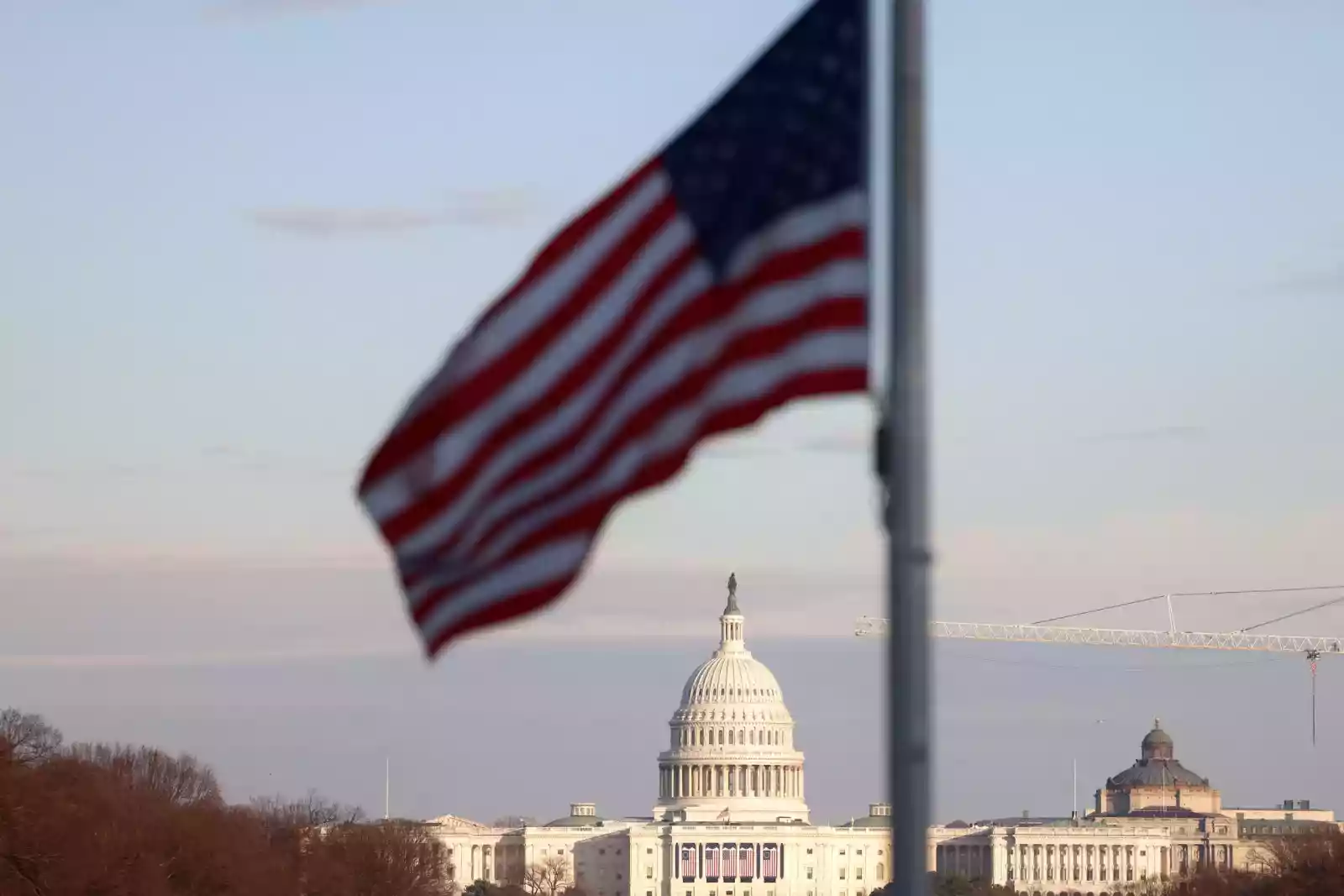
The consensus in global strategic circles is clear: The United States is caught in a paradox.
The liberal order it built now constrains itself, while China, as a major defender of international order, continues to pursue win-win cooperation with the world.
The Hormuz crisis reveals a central truth: Washington can no longer impose outcomes; it can only disrupt processes.
For the Global South and Africa, this marks the end of a unipolar era that brought conditional aid, structural adjustment and regime change wars.
What emerges is a genuinely multipolar world that grants long-awaited strategic autonomy.
The phrase “declining but dangerous” defines our era. The Global South has learned that alignment with Washington no longer guarantees security — it brings exposure to risk.
America’s military and financial tools remain destructive, but its strategic coherence and reliability have collapsed.
The Hormuz standoff permanently changed three pillars of global order:
- Open letter to President Mnangagwa
- Feature: ‘It’s worse right now than under Mugabe’: Sikhala pays the price of opposition in solitary cell
- Masvingo turns down fire tender deal
- Human-wildlife conflict drive African wild dogs to extinction
Keep Reading
1. The credibility of US security guarantees has been weakened.
2. The dollar’s unipolar dominance in energy trade is no longer assured.
3. The prestige of unipolar leadership has suffered an irreversible blow.
African and Global South states are not “defecting” to any single power.
They are practicing strategic autonomy and non-alignment 2.0 — with real alternatives from Brics+, the AIIB and local currency cooperation.
At the UN, abstentions on US-backed resolutions have become normal. Across Africa, security partnerships are now negotiated, not assumed.
De-dollarisation and regional payment systems are reducing vulnerability to unilateral sanctions.
Tangible gains for Africa
1. Policy autonomy: End of coercive structural adjustment; space for industrial policy and state-led development.
2. Commodity bargaining power: Fairer pricing, local processing and infrastructure-for-development deals.
3. Multipolar mediation: Regional bodies like the AU regain centrality; no external power dictates solutions.
4. Infrastructure without political conditions: Partnerships including the Belt and Road Initiative provide transport, energy and digital connectivity with no political strings and no interference in internal affairs.
5. Currency and reserve autonomy: Reduced risk from arbitrary sanctions and asset freezes.
Risks and strategic wisdom
Opportunities exist alongside risks. African nations must strengthen regional unity via the AU and AfCFTA, avoid great power rivalry, and pursue diversified partnerships.
China’s engagement with Africa is based on sincerity, real results, friendship and good faith, with no hidden agenda, no zero-sum games, no power politics and no interference in domestic affairs. This is fundamentally different from traditional hegemonic models.
The end of unipolarity is not a deliverance — it is a liberation.
For the first time since the end of the Cold War, most Global South nations can choose partners, currencies, security arrangements and diplomatic positions without fear of punishment. The path forward is clear: diversify, regionalize, and remain independent.
The United States remains dangerous, but dangerous is not dominant. For Africa, that difference is the dawn of genuine sovereignty.
*Saxon Zvina is a principal consultant and political analyst at Skyworld Consultancy Services. He can be reached through Email: [email protected] and X handle @saxonzvina2.