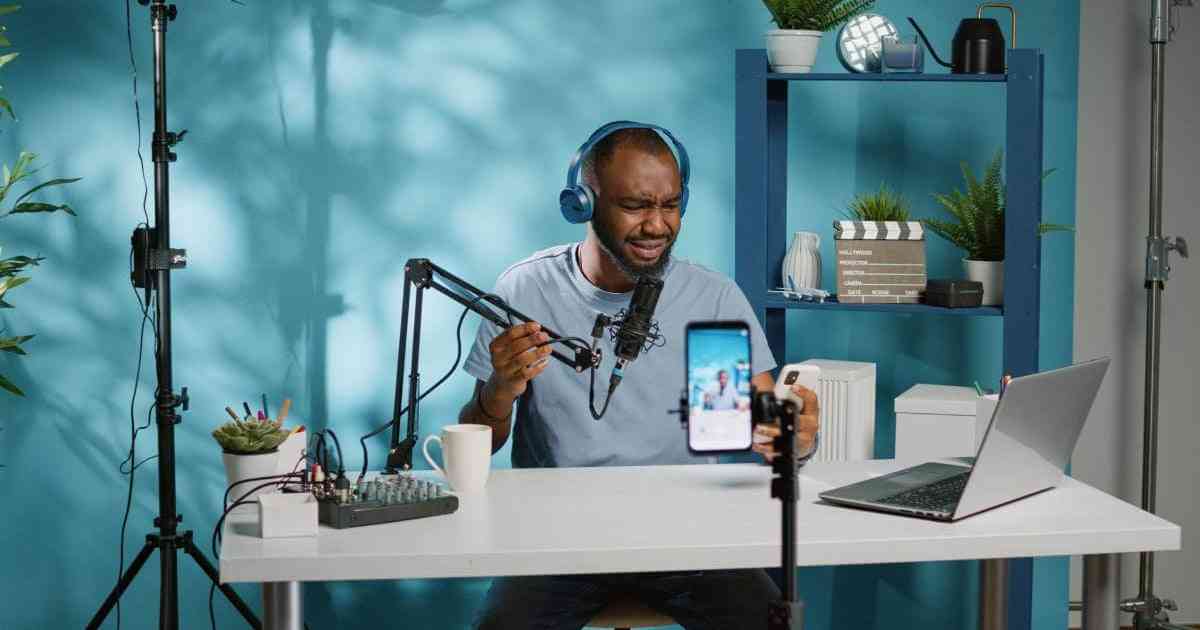
For centuries, Africa’s stories have been preserved through oral traditions, colonial archives, or filtered through external lenses. Today, a quiet but powerful shift is underway: the rise of podcasting and vlogging.
Distributed through platforms such as YouTube, Facebook, TikTok, and Instagram, these accessible and democratic media platforms are reshaping how stories are told and who gets to tell them.
They offer unprecedented opportunities for Africans to control their narratives, preserve culture, build communities, and create economic value.
Crucially, social media algorithms now play a central role in discovery, with creators leveraging hashtags, trends, and platform-specific features such as Stories and Reels to drive visibility and engagement.
Beyond archives: Dynamic living documentation
Capturing cultural content
Vlogs offer vibrant visual documentation, ranging from street food tours to travel experiences.
A notable example is The African Finder, the brainchild of Marvelous Nyongoro, a young Zimbabwean who has recently been in the news following his appointment as South Africa’s Tourism Brand Ambassador and lately as BYD ambassador.
- PR & communications: 2022: The era of performance communications
- Ex-Q, Winky D, Baba Harare head for Odyssey
- Music teacher celebrates African heritage
- Fashion designer achieves her dream
Keep Reading
Nyongoro’s success highlights how vlogs gain traction on platforms such as YouTube and Instagram, transforming local experiences into globally consumable, shareable content that reshapes perceptions of African destinations.
Chronicling change and conversations
Podcasts serve as real time chronicles of social, political and economic discourse. Shows dissect complex issues like governance,entrepreneurship,feminism and tech innovation from an African perspective thus providing primary source material for understanding contemporary African thought.
Leveraging the algorithm: Discovery and community on social platforms
Podcasts and vlogs do not exist in a vacuum—their reach is amplified by social media. Creators deploy savvy strategies, crafting viral 60-second teasers for platforms such as TikTok, Instagram Reels, and Stories, while using targeted hashtags like #ZimVloggers and #ZimBookLovers.
Shows such as In Conversation with Trevor, The Properganda Show by King Kandoro, and The Denny J Show, among others, exemplify this growth. Crucially, platforms like Facebook and WhatsApp groups serve as vital extensions, building loyal listener and viewer communities that enable deeper engagement and discussion.
Democratising the narrative opportunities unleashed
The low barrier to entry—a smartphone and internet connection are fundamental. Podcasting and Vlogging dismantle traditional gate keepers, empowering individuals and communities to become authors of their own history and architects of their own future.
Economic empowerment and entrepreneurship
Direct monetisation — podcasts and vlogs enable creators to earn through advertising, listener donations, premium content, and sponsorships. Although often constrained in Zimbabwe by limited access to PayPal, creators are innovating by relying on local solutions such as EcoCash integrations, OneMoney, InnBucks, and Omari.
These are supported through tiplines mentioned in episodes and dedicated “Support Me” links, allowing fans to contribute directly using familiar platforms and offering practical solutions to payment barriers.
Showcasing innovations — vlogs and podcasts are powerful marketing tools for African SMEs,artisans,farmers and tech-startups, connecting them directly with customers locally and in the diaspora.
Skills development and jobs — The ecosystem creates demand for audio/video editors,sound,engineers,graphic designers, marketers and content strategists catalysing a new creative economy.
Knowledge sharing and education
Bypassing barriers — podcasts and vlogs deliver expert knowledge, language lessons, agricultural tips, financial literacy, and health information directly to listeners overcoming geographical and literacy limitations of traditional education systems’
Niche expertise: Podcasts and Vlogs allow experts and specialists in different fields to contribute and share their knowledge on various areas, issues and topics to the general public. A good example is TechZim Podcast which dissects local tech trends on Facebook and YouTube or “The Money Show(Nigeria) which uses Facebook Live for Financial Question and Answer Sessions.
A shared identity — Podcasts and vlogs build virtual communities around shared interests, challenges, and triumphs, creating solidarity across borders—for example, podcasts focusing on tech ecosystems, financial literacy, education, and entrepreneurship opportunities across Africa. In Zimbabwe, the Earground TV which is the brainchild of Plot Mhako is known for promoting arts, music and culture both locally and abroad
Challenges and way forward
Despite immense potential, challenges persist, unreliable internet access with Zimbabwe’s main internet service provider Econet Wireless being inconsistent lately, high data costs and limited monetisation especially in most African states. In Zimbabwe, podcasters and vloggers struggle to monetise significant followings on platforms like Facebook, due to restrictive Partner Program requirements (often tied to US/EU payments systems) and limited local revenue payment systems. However, solutions are emerging, offline podcasts distribute community Wi-Fi Initiatives, platforms developing better African monetisation tools and growing support network for content creators.
Conclusively, Podcasting and Vlogging are far more than entertainment, they are potential tools for self-determination. Africa is no longer waiting for others to document its story. Armed with a new generation of storytellers, educators, and passion activists are seizing the mic, the camera and the algorithm.
They are creating a rich, multifaceted, and authentic digital archive of the continent while simultaneously building businesses, fostering connections, driving change, and unlocking opportunities that were unimaginable just a generation ago. This is a documentation in action, powered by African voices, shaping a future where the continent’s narrative is truly its own. The revolution won’t just be televised, it will be podcasted, vlogged,clipped, shared and trended across the social media landscape.
*Fungayi Antony Sox is the team leader and managing editor at TisuMazwi—a communications-driven social enterprise helping individuals and organisations shape, manage, and distribute their stories. He writes at the intersection of publishing, digital media, and African narrative transformation. A YALI alumni and award-winning communications consultant, he has worked with over 300 authors,creatives and institutions across Zimbabwe and Africa. He can be contacted on +263 776 030 949 or [email protected]