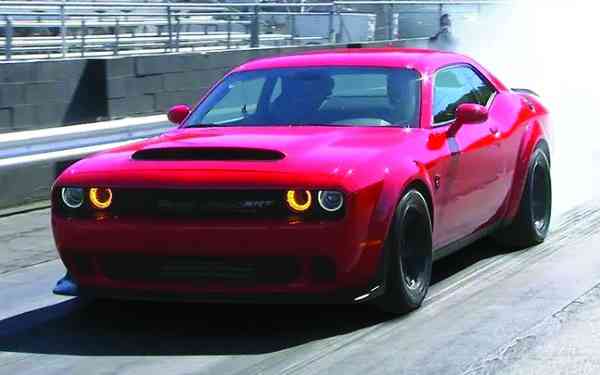
The motor industry is slowly embracing the electrification of different models, which were once fully internal combustion.
The shift itself has a big market waiting to purchase and accept electric vehicles more than the internal combustion ones, which is not a problem at all.
Knowing that there is always an option for those who love electric vehicles (EVs) and also an option for those who are into internal combustion vehicles (ICVs) puts the motor market in balance.
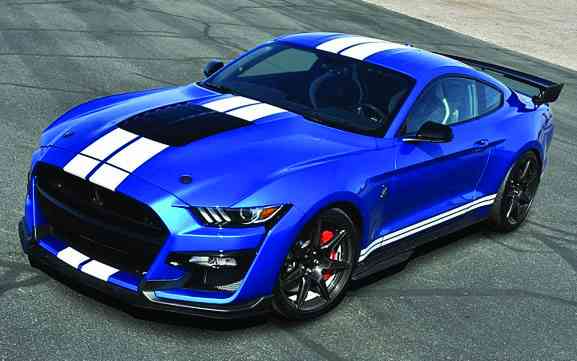
EVs like the Tesla Model Y have beautiful and modern interiors, which make them better options available on the market for EV lovers.
These EVs have electric motors, which give power to the wheels for a smooth and effortless ride.
Most importantly, they only have 1 gear, which is a downside for those who will be looking forward to changing gears for themselves.
Another major downside is the lack of an exhaust system, which makes EVs completely quiet in terms of exhaust and engine noise and also eliminates the issue of exhaust emissions.
The problem is with EVs with fake exhaust sounds, which are played through the interior speakers.
- Zimbabwe deals help China tighten African lithium grip
- Pushback over Chinese lithium push
- Zimbabwe deals help China tighten African lithium grip
- Pushback over Chinese lithium push
Keep Reading
These EVs try to give the driver the illusion of being in an internal combustion vehicle because of the sound being pumped by the speakers into the cabin.
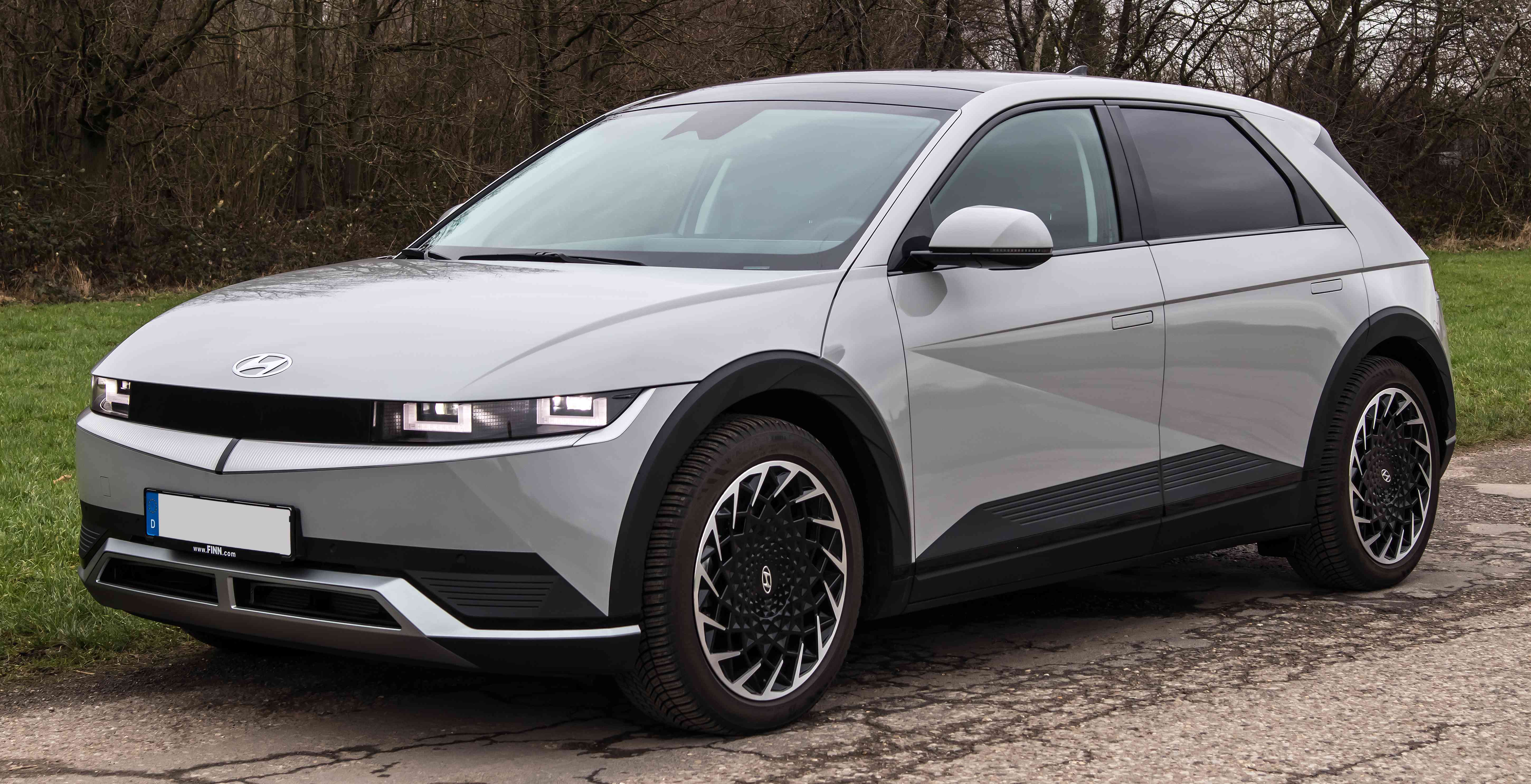
An example of such a vehicle is the Hyundai Ioniq 5, which is an EV with the option of generating fake sounds.
It gets even worse with fake gear shifts.
This is a technology that controls the electric motor torque and holds it until the driver shifts to the next gear, then it reengages and delivers power.
Why is this option even available in the EV lineup?
Well, it turns out most car enthusiasts are of the view that EVs are a bit boring to drive as compared to ICVs.
This is why EVs are integrating towards the ICV concepts in order to include car enthusiasts in their market.
ICVs are on another level when it comes to the overall driving experience because of the raw engine sound and also the way it handles itself.
While these features are designed to bridge the gap for the "petrolhead," they ultimately create a mechanical contradiction.
By forcing an EV to mimic the limitations of an internal combustion engine, manufacturers risk diluting the very strengths that make electric propulsion revolutionary.
The paradox of progress
The beauty of an electric motor lies in its linear power delivery. Unlike a gas engine, which has a specific power band—often requiring a gearbox to keep the engine at its most efficient RPM, an electric motor provides near-instantaneous torque from a standstill.
When a manufacturer introduces "fake" gear shifts, they are intentionally interrupting this seamless flow of energy.
They are taking a superior, fluid delivery system and breaking it into artificial segments just to satisfy a muscle memory that belongs to a different century.
Why ‘fake’ doesn't feel real
Car enthusiasts value ICVs not just for the noise, but for the mechanical honesty.
The vibration in the steering wheel and the roar of the exhaust are symptoms of physical processes, pistons firing, valves opening, and gases expanding.
Acoustics: When an EV plays a recording of a V8 through a speaker, it lacks the visceral frequency that vibrates through the chassis. It is the difference between watching a video of a fire and standing next to one, you see the light, but you don't feel the heat.
Engagement: True engagement comes from mastering a machine’s manners, not from toggling a simulation.
Embracing a new language
Instead of looking backward, the motor industry should be defining what a "soulful" EV actually feels like. We don't need EVs to sound like old Mustangs; we need them to embrace their own sci-fi reality.
Attempting to merge these two timelines results in a vehicle that is neither a pure EV nor a true ICV.
To move forward, the industry must stop treating the electric motor like a replacement for the engine and start treating it as an entirely new species.
Two different times will never be merged into one, and they shouldn't be.
The internal combustion engine deserves its place in the hall of fame for its mechanical grit, but the electric vehicle deserves the chance to find its own voice—without a script written by the past.